Hubble Space Telescope Marks 36 Years with Spectacular Trifid Nebula Imagery
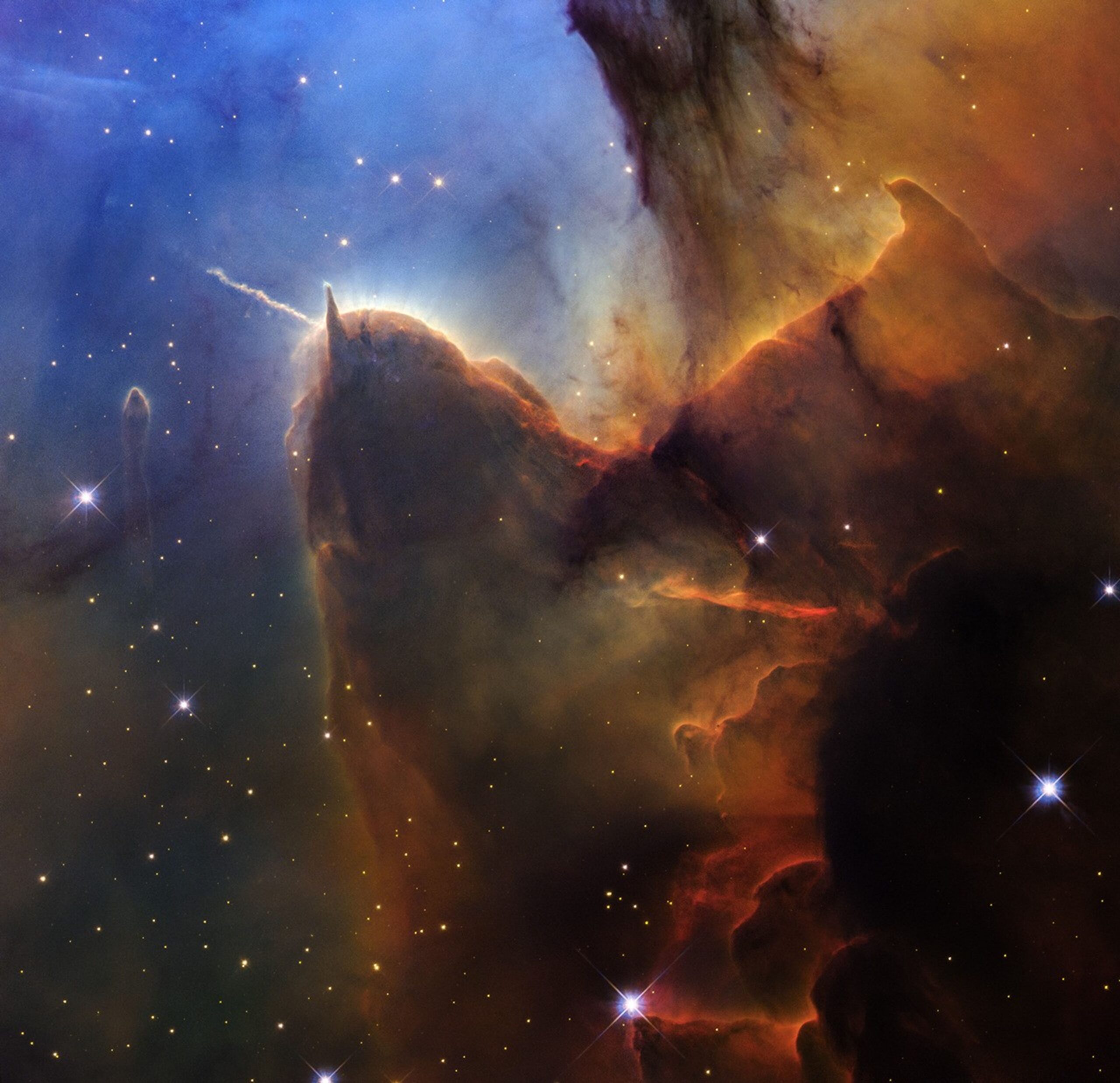
In celebration of its 36th anniversary, the Hubble Space Telescope has released a high-definition image of the Trifid Nebula, a dynamic star-forming region situated 5,000 light-years away. By utilizing the Wide Field Camera 3, researchers have captured unprecedented detail, allowing for a comparative study against data collected as far back as 1997. This longitudinal perspective provides scientists with a rare look at the structural evolution of the nebula over nearly three decades.
The imagery highlights the intense environmental pressures within the nebula, where ultraviolet radiation and stellar winds from nearby massive stars are actively sculpting the landscape. These forces are simultaneously compressing gas clouds to spark new star formation while eroding dense pillars of dust. The observations have also captured plasma jets emanating from young protostars, offering new insights into the complex interactions between nascent stars and their surrounding cosmic material.
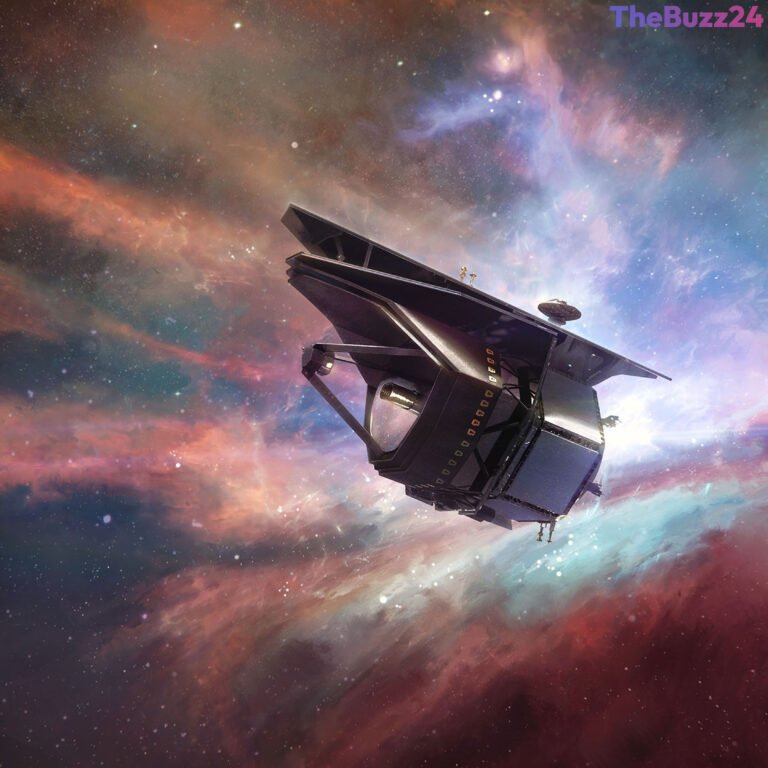
Since its deployment in 1990, the telescope has been instrumental in modern astronomy, facilitating over 1.7 million observations and contributing to more than 23,000 scientific publications. As the mission continues, its data is increasingly being synthesized with findings from newer observatories like the James Webb Space Telescope. This collaborative approach is paving the way for future missions, such as the Habitable Worlds Observatory, which seeks to identify Earth-like planets and potential biosignatures in the deep reaches of space.
Key Takeaways
- The Hubble Space Telescope released new, high-resolution imagery of the Trifid Nebula to commemorate its 36th year of operation.
- Comparative analysis of data spanning nearly 30 years reveals how stellar winds and radiation are actively reshaping the nebula's structure.
- Hubble's legacy continues to influence future space exploration, including the development of the upcoming Habitable Worlds Observatory.
Editor’s Analysis & Impact
The continued productivity of the Hubble Space Telescope, even after three and a half decades, underscores the immense value of long-term space-based observation platforms. By providing a multi-decadal baseline of cosmic activity, Hubble allows astronomers to witness stellar evolution in real-time—a feat impossible with short-term missions. The integration of Hubble’s legacy data with the infrared capabilities of the James Webb Space Telescope represents a paradigm shift in multi-wavelength astronomy. This synergy not only maximizes the scientific return on investment for these multi-billion dollar assets but also establishes a robust framework for the next generation of observatories. As we look toward the Habitable Worlds Observatory, the focus is clearly shifting from general discovery to the targeted search for life, proving that Hubble’s foundational work remains the bedrock of modern astrophysics.
Frequently Asked Questions
Q: How far away is the Trifid Nebula from Earth?
A: The Trifid Nebula is located approximately 5,000 light-years away from Earth.
Q: What is the primary goal of the future Habitable Worlds Observatory?
A: The Habitable Worlds Observatory aims to build on Hubble's foundation to identify Earth-like planets and search for potential signs of life in the universe.
AI Disclosure: This article is based on verified data and official reports. Our Team and AI have cross-referenced every financial detail with primary sources to ensure total accuracy.
More from this Category