Netanyahu Addresses U.S. Ties and Regional Conflict Amid Iran War
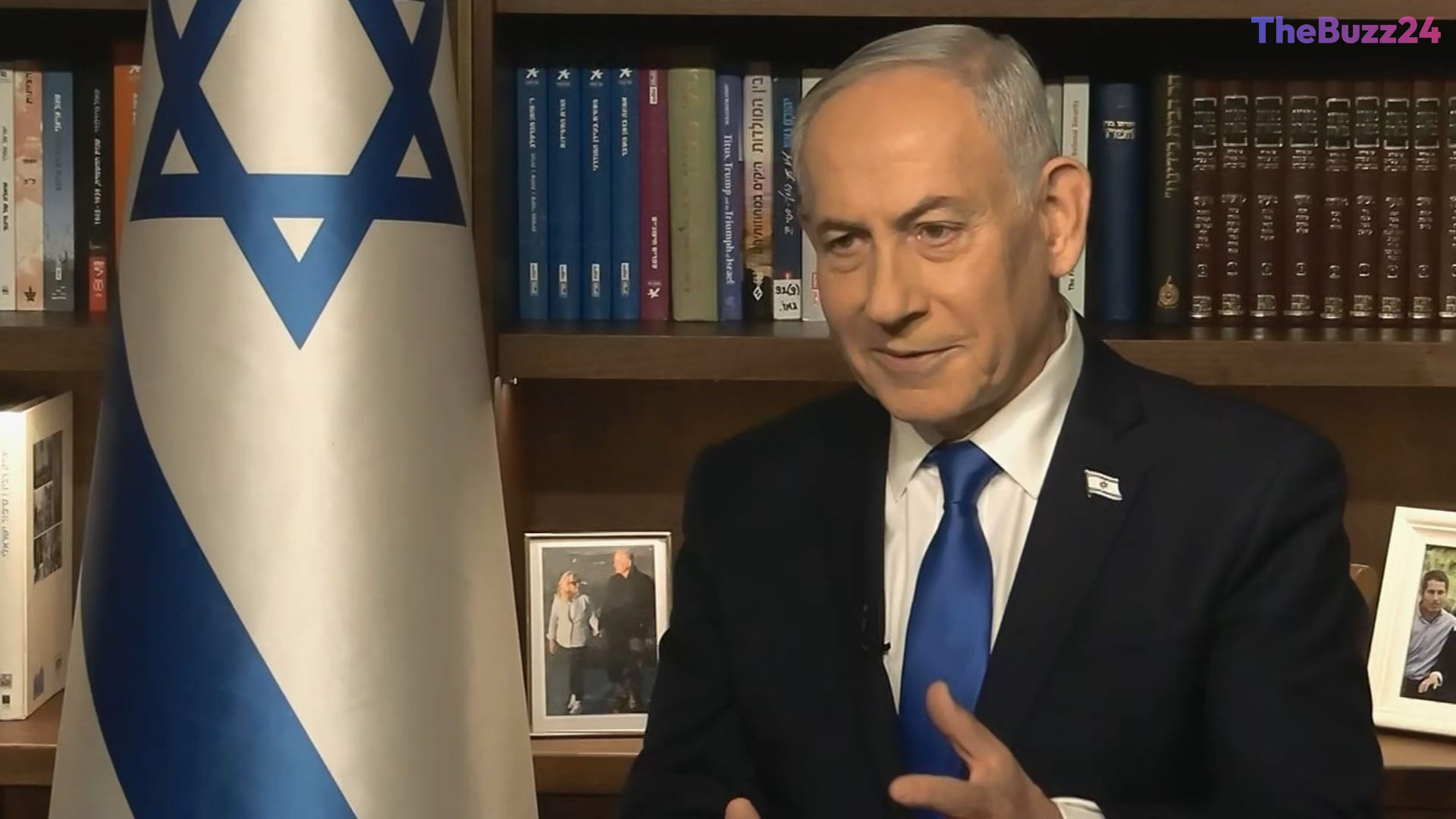
Israeli Prime Minister Benjamin Netanyahu recently addressed the complexities of his relationship with President Donald Trump, characterizing their interactions as having occasional tactical disagreements while maintaining a strong strategic alignment. Despite reports of friction regarding ongoing military operations in Lebanon, Netanyahu emphasized that both leaders share fundamental goals, particularly concerning the containment of Iran. He described the current conflict as a broader struggle for the survival of democratic values, asserting that Israel is effectively fighting on behalf of the West against an existential threat.
Regarding the global economic impact of the conflict, particularly concerns over oil supply disruptions, Netanyahu expressed confidence that alternative shipping routes are already being established to bypass the Strait of Hormuz. He praised the effectiveness of the current U.S.-led maritime strategy, labeling the retaliatory blockade of Iranian ports a significant success. While crude oil prices have fluctuated near $100 per barrel, the Prime Minister remains optimistic about Israel’s domestic economic trajectory, citing robust technological exports and continued foreign investment as evidence of the nation’s resilience.
Netanyahu also addressed the internal instability within Iran, suggesting that the current regime is facing significant, albeit unpredictable, pressure that could eventually lead to its collapse. He reiterated his commitment to preventing Iran from acquiring nuclear capabilities, noting that the U.S. and Israel remain prepared for a full-scale return to military action if necessary. As diplomatic efforts continue, the Prime Minister maintained a firm stance on Israel’s right to self-defense, dismissing international criticism as a failure to recognize the necessity of protecting civilization against regional aggression.
Key Takeaways
- Prime Minister Netanyahu maintains that he and President Trump share core strategic goals despite occasional tactical disagreements regarding military strategy.
- Israel is actively promoting alternative oil shipping routes to mitigate the impact of the conflict on global energy supplies.
- Netanyahu expressed confidence in the Israeli economy's growth, citing strong tech investment and defense exports despite the ongoing war.
Editor’s Analysis & Impact
The ongoing conflict between Israel and Iran continues to exert significant pressure on global energy markets and geopolitical stability. Netanyahu’s public emphasis on ‘tactical disagreements’ with the U.S. administration serves as a diplomatic buffer, signaling to both domestic and international audiences that the alliance remains intact despite the intensity of the war. Economically, the focus on alternative shipping routes and the resilience of the Israeli tech sector suggests a strategy of decoupling national prosperity from the immediate volatility of the Strait of Hormuz. Looking forward, the success of this strategy depends heavily on the durability of the U.S.-led blockade and the ability of the Iranian regime to withstand internal and external pressures. The broader implication is a long-term shift in Middle Eastern security architecture, where technological and economic integration becomes as critical as traditional military deterrence.
Frequently Asked Questions
Q: How does Netanyahu view the current state of the U.S.-Israel relationship?
A: Netanyahu describes the relationship as strong, noting that while there are occasional 'tactical disagreements' regarding the handling of the war, the two nations remain aligned on major strategic goals, such as preventing Iran from obtaining nuclear weapons.
Q: What is the Israeli government's stance on the economic impact of the war?
A: Netanyahu remains optimistic about the Israeli economy, pointing to strong performance in the tech and defense sectors and arguing that alternative oil shipping routes are already being developed to offset potential supply chain disruptions.
AI Disclosure: This article is based on verified data and official reports. Our Team and AI have cross-referenced every financial detail with primary sources to ensure total accuracy.
More from this Category