Netanyahu Declares Conflict Ongoing as Iran Signals Conditional De-escalation
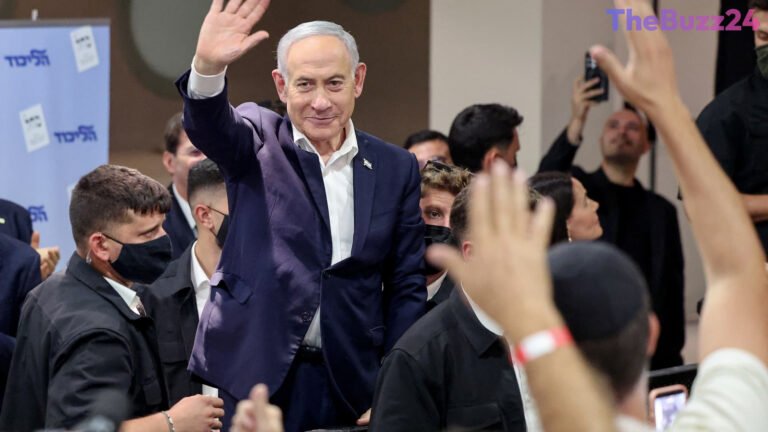
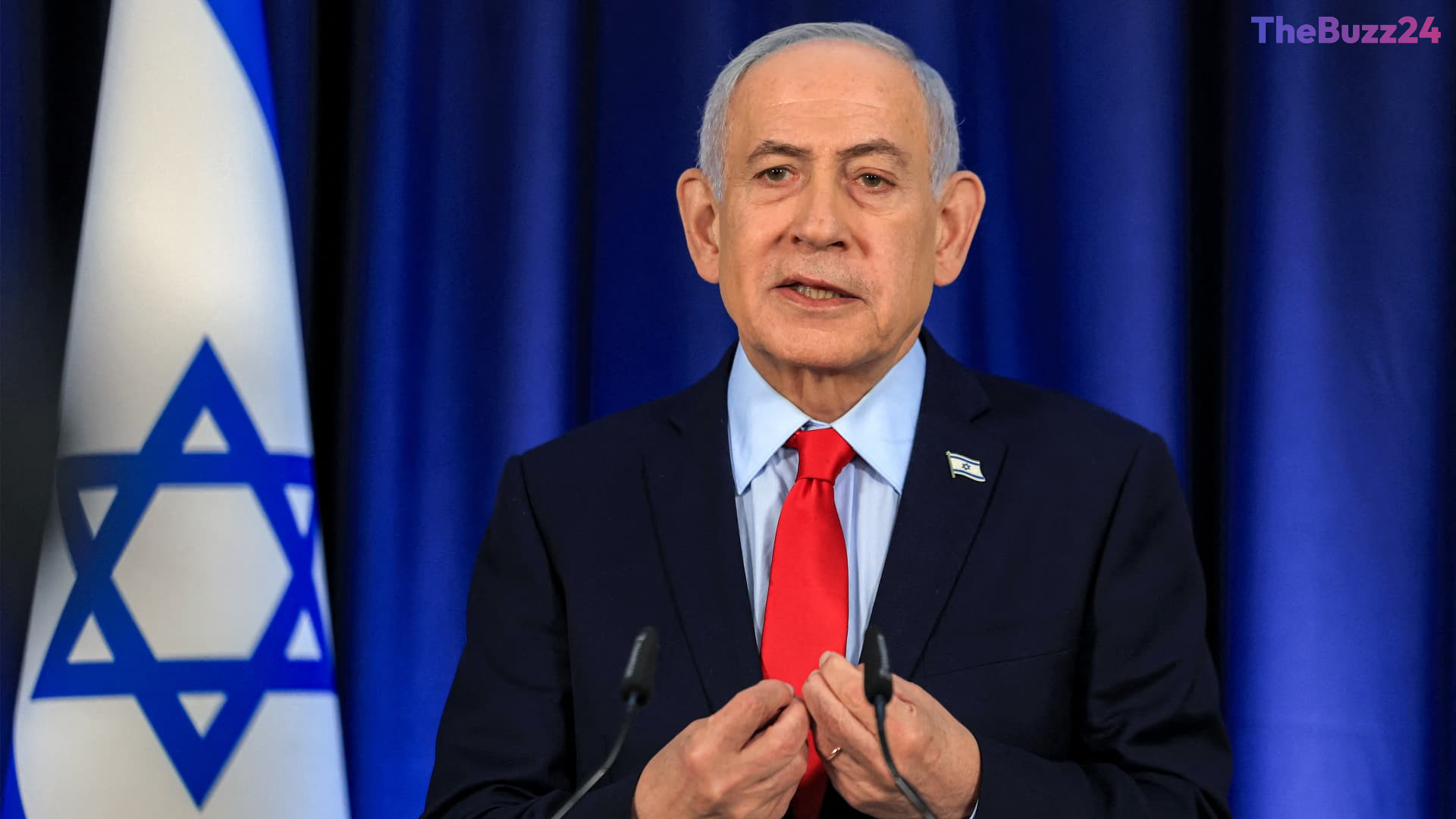
The regional conflict between Israel and Iran remains volatile as Israeli Prime Minister Benjamin Netanyahu stated that the war against Iran and its Lebanon-based proxy, Hezbollah, has not yet concluded. This declaration follows a period of intense military exchanges, despite Tehran signaling a temporary halt to its direct strikes against Israel. Iran’s Ministry of Foreign Affairs indicated that while it has ceased its current offensive operations, it reserves the right to resume hostilities should the Israel Defense Forces continue their military actions in Lebanon.
The recent escalation saw both nations trade direct fire on Sunday night, marking the first such engagement since a fragile ceasefire was established in mid-April. Iran launched missiles toward northern Israel, citing alleged violations of the truce by Israeli forces, particularly following strikes on Beirut’s southern suburbs. In response, Israel confirmed it executed a large-scale operation targeting strategic Iranian defense systems. The exchange has kept global markets on edge, with oil prices experiencing significant volatility, surging more than 5% before retreating as the situation stabilized.
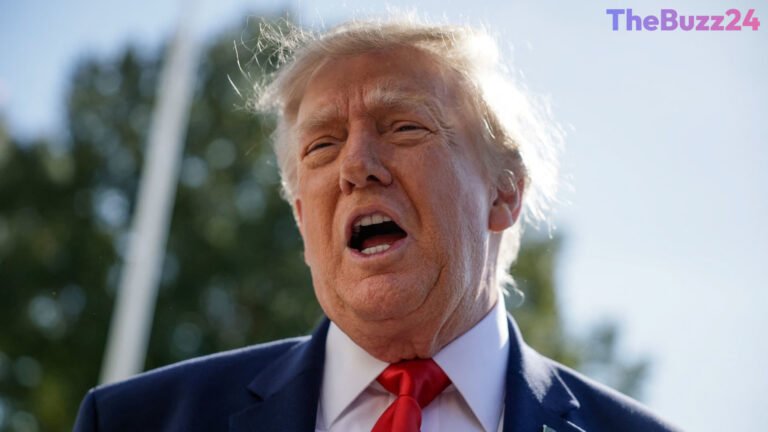
Amidst the ongoing military tension, diplomatic efforts remain complex. President Donald Trump has publicly asserted that final peace negotiations are underway and has called for an immediate cessation of hostilities. Trump emphasized that the U.S. blockade of Iranian ports in the Gulf of Oman will remain in effect until a comprehensive final deal is secured. However, the path to a diplomatic resolution remains uncertain, as some Iranian officials have expressed skepticism regarding the feasibility of a deal under the current administration, citing frustration over the ongoing situation in Lebanon.
Key Takeaways
- Prime Minister Benjamin Netanyahu maintains that the conflict with Iran and Hezbollah is ongoing despite Tehran's signal of a conditional pause.
- Direct military exchanges occurred Sunday night, involving Iranian missile strikes and Israeli operations against strategic defense systems.
- President Donald Trump claims peace negotiations are in their final stages, though Iranian officials have publicly questioned the viability of a deal.
Editor’s Analysis & Impact
The current standoff represents a critical juncture in Middle Eastern geopolitics, where military posturing is increasingly intertwined with high-stakes diplomatic pressure. The market reaction—specifically the 5% surge in oil prices—underscores the fragility of global energy security when regional powers engage in direct conflict. While the rhetoric from Washington suggests a push for a ‘final deal,’ the disconnect between U.S. diplomatic claims and the skepticism voiced by Iranian officials suggests that a sustainable ceasefire remains elusive. The conflict has now surpassed the 100-day mark, and the continued reliance on economic blockades as a bargaining chip indicates that the situation will likely remain a primary driver of market volatility and geopolitical instability in the near term.
Frequently Asked Questions
Q: Why did Iran resume strikes against Israel?
A: Iran stated that its recent strikes were a response to what it described as repeated violations of the April ceasefire by Israel, specifically citing Israeli military actions in Lebanon.
Q: What is the status of the U.S. blockade on Iranian ports?
A: President Donald Trump has stated that the U.S. blockade of Iranian ports in the Gulf of Oman will remain in place until a final peace deal is reached between the parties.
AI Disclosure: This article is based on verified data and official reports. Our Team and AI have cross-referenced every financial detail with primary sources to ensure total accuracy.
More from this Category