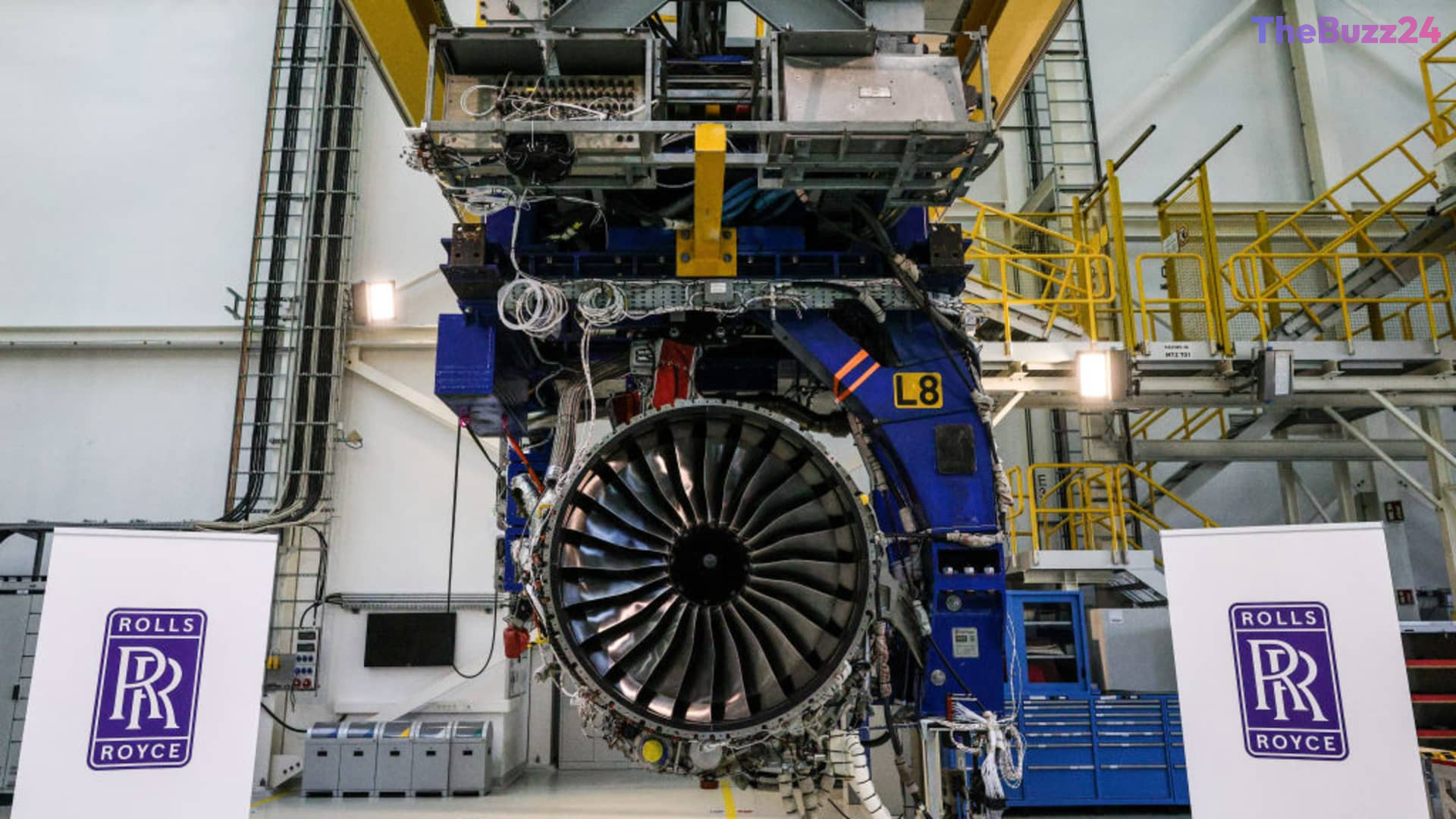
Next-Gen Aircraft Engines Ground Airlines’ Hopes for Fuel Savings Amid Persistent Reliability Issues
The global airline industry is grappling with a significant challenge as new, fuel-efficient aircraft engines are reportedly falling short of expected reliability and availability standards. This issue, a central topic at the industry’s largest annual gathering in Rio de Janeiro, is forcing carriers to undertake unscheduled maintenance sooner than anticipated, effectively eroding the cost savings these advanced engines were designed to deliver. The paradox lies in the engines’ engineering marvels for fuel efficiency being undermined by their operational fragility.
Airline executives have voiced strong concerns, noting that the need to remove engines for maintenance prematurely is driving up operational costs. This situation is particularly vexing given the current landscape of robust travel demand and elevated fuel prices, which have already slashed airline profit prospects. Alexis von Hoensbroech, CEO of Canada’s WestJet, highlighted that while these new engines promise substantial fuel savings, pushing the limits of technology sometimes compromises reliability, leading to more frequent unscheduled maintenance compared to previous engine generations. The hotter operating temperatures that contribute to fuel efficiency also appear to accelerate wear and tear, grounding aircraft and necessitating costly repairs.
Manufacturers, including GE Aerospace and Rolls-Royce, acknowledge the challenges and affirm their commitment to improving engine reliability and increasing production output. GE Aerospace stated it has made significant investments to enhance “time-on-wing” and reduce ownership costs. However, industry leaders remain critical. Willie Walsh, the outgoing director general of the International Air Transport Association (IATA), expressed deep disappointment, urging manufacturers to prioritize durable and functional engines. Scott Kirby, CEO of United Airlines, warned that a “lack of engines” due to parts shortages could remain the biggest constraint for the industry for at least the next five years.
The problem is compounded by specific manufacturing defects, such as those previously affecting some Pratt & Whitney engines, which led to aircraft groundings. The ongoing issues have also inflated the value of older, more reliable engine models and fueled a booming engine overhaul and maintenance business, now valued at over $58 billion. As airlines navigate these complexities, the balance between technological advancement, operational reliability, and cost efficiency remains a critical challenge for the entire aviation sector.
Key Takeaways
- New, fuel-efficient aircraft engines are failing to meet reliability standards, leading to unexpected maintenance and negating anticipated cost savings for airlines.
- Airline executives are expressing strong dissatisfaction with engine manufacturers, citing increased operational costs, grounded planes, and a looming shortage of engines and parts.
- Despite manufacturers' efforts to improve, the industry anticipates reliability and supply chain issues with next-gen engines to persist for several years, impacting airline profitability and operations.
Editor’s Analysis & Impact
The persistent reliability issues with next-generation aircraft engines pose a significant financial and operational challenge for the airline industry. While these engines promise crucial fuel efficiency, their premature maintenance requirements are eroding cost savings and grounding aircraft, directly impacting airline profitability amidst high fuel prices and strong demand. This situation creates tension between airlines and manufacturers, pushing the latter to accelerate improvements in design and production. The broader implications include potential delays in fleet modernization, increased reliance on older engine models, and a surge in the maintenance market. This highlights a critical trade-off between innovation and operational stability, which could influence future aircraft development and procurement strategies across the aviation sector for years to come.
Frequently Asked Questions
Q: Why are new aircraft engines causing problems for airlines?
A: While designed for greater fuel efficiency, these newer engines are experiencing unexpected reliability issues, requiring more frequent and unscheduled maintenance, which grounds planes and increases operational costs.
Q: How are these engine problems affecting airline finances?
A: The need for early maintenance is eating into the fuel savings these engines were supposed to provide. Combined with strong travel demand and high fuel prices, grounded aircraft and increased repair costs are significantly impacting airline profitability.
Q: What are engine manufacturers doing to address these issues?
A: Manufacturers like GE Aerospace and Rolls-Royce state they are investing in improving engine reliability, increasing output, and expanding maintenance capabilities. However, airline executives indicate that these efforts have not yet fully resolved the industry's concerns.
AI Disclosure: This article is based on verified data and official reports. Our Team and AI have cross-referenced every financial detail with primary sources to ensure total accuracy.
More from this Category