New Evidence Released in 25-Year-Old Cold Case of British Backpacker Peter Falconio
Authorities in Australia have unveiled a series of previously unseen photographs related to the 2001 murder of British backpacker Peter Falconio. The release comes a quarter-century after the tragic incident, which occurred on a remote stretch of the Stuart Highway near Barrow Creek in the Northern Territory. Despite the conviction of Bradley Murdoch, who died in prison last year, Falconio’s remains have never been recovered, leaving his family without final closure.
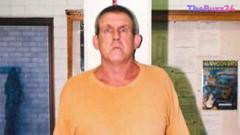
The newly released images provide a stark look at the investigation, including a portrait of Murdoch taken during the inquiry and photographs documenting the injuries sustained by Falconio’s girlfriend, Joanne Lees. Lees famously escaped her captor by hiding in the outback scrubland for hours before flagging down a passing truck. Other images depict the couple’s orange Volkswagen Kombi van, which was discovered abandoned near the site of the attack.
Northern Territory Police officials emphasized that while the perpetrator was held accountable, the case remains active until the victim’s remains are located. The decision to release these materials is a strategic effort to refresh public memory and potentially elicit new information from the community. A reward of up to A$500,000 remains available for any tips that lead to the discovery of Falconio’s final resting place.
During his 2005 trial, Murdoch was found guilty of the murder of Falconio and the assault and attempted kidnapping of Lees. Despite overwhelming DNA evidence, he maintained his innocence until his death. Police recently attempted to secure a confession in his final days, but Murdoch died without revealing the location of the body, a silence that officials have condemned as a final act of cruelty toward the victim’s grieving family.
Key Takeaways
- Australian authorities released new investigative photos 25 years after the murder of Peter Falconio to encourage new leads.
- The convicted killer, Bradley Murdoch, died in prison last year without revealing the location of the victim's remains.
- A reward of A$500,000 is currently offered for information that leads to the recovery of Falconio's body.
Editor’s Analysis & Impact
The release of these archival images highlights the persistent nature of cold case investigations and the ethical obligation law enforcement feels toward victims’ families, even decades after a conviction. From an industry perspective, this case serves as a landmark example of how forensic evidence—specifically DNA—can secure a conviction even in the absence of a body. However, the ‘cowardly silence’ of the perpetrator underscores a significant gap in the justice system: the inability to compel information from convicted offenders who have nothing left to lose. The broader implication is a shift toward using public transparency and media engagement as a final investigative tool when traditional interrogation methods fail. Future efforts in such cases will likely continue to rely on public-facing digital archives to maintain pressure on potential witnesses who may have held back information for fear of retaliation or social stigma.
Frequently Asked Questions
Q: Why are police releasing these photos now?
A: Police hope that by releasing these previously unseen images, they might jog the memories of the public and generate new leads that could finally help them locate Peter Falconio's remains.
Q: Is there a reward for information regarding this case?
A: Yes, there is a reward of up to A$500,000 for any information that leads to the discovery of Peter Falconio's remains.
AI Disclosure: This article is based on verified data and official reports. Our Team and AI have cross-referenced every financial detail with primary sources to ensure total accuracy.
More from this Category