The Hidden Cost of AI: Why Corporate Earnings May Soon Face a ‘Tokenmaxxing’ Reckoning
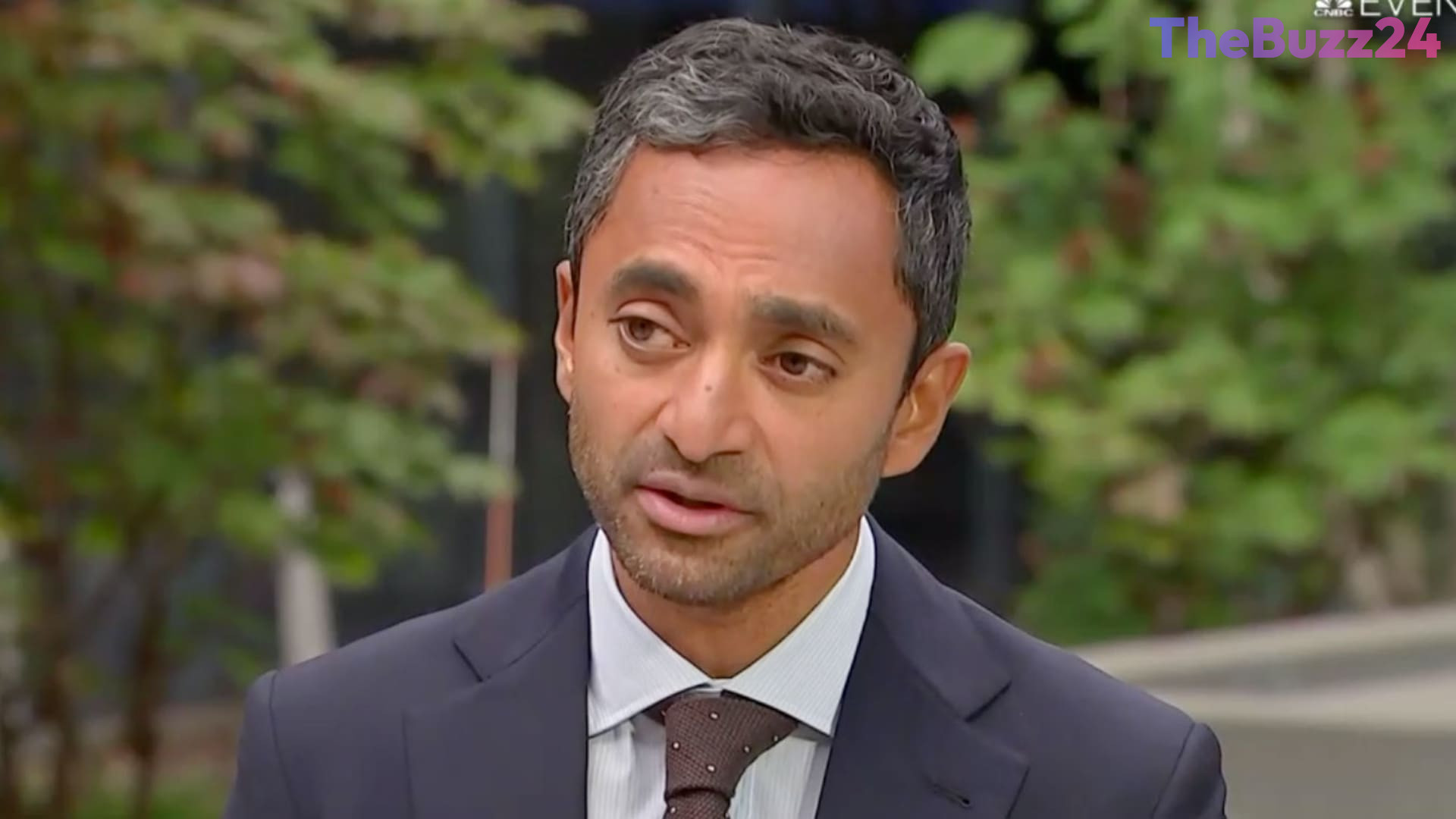
Prominent tech investor Chamath Palihapitiya is warning that the unchecked integration of artificial intelligence within corporate structures could soon trigger significant financial volatility. As organizations race to adopt AI tools, many executives remain unaware of the true scale of their internal spending on AI tokens—a phenomenon often referred to as ‘tokenmaxxing.’ Palihapitiya suggests that this hidden expenditure is poised to catch leadership off guard, potentially leading to unexpected earnings misses that could rattle investor confidence.
The core of the issue lies in the lack of visibility that CEOs and CFOs currently have regarding how their employees are utilizing AI resources. While companies have been incentivizing staff to leverage AI to boost productivity, the lack of oversight has resulted in massive, recurring costs that often fail to deliver a clear return on investment. Palihapitiya warns that when these costs finally surface in quarterly reports, the resulting discrepancy in earnings per share (EPS) will force a difficult reckoning for corporate leadership.
This sentiment is gaining traction among industry leaders who are beginning to question the sustainability of current AI pricing models. Palantir CEO Alex Karp has similarly voiced concerns, suggesting that the enterprise sector is currently wasting significant capital on token-based models that do not align with actual business value. As the initial excitement surrounding AI adoption matures into a focus on fiscal discipline, companies may be forced to pivot away from aggressive, unmonitored usage toward more strategic, cost-effective implementations.
Key Takeaways
- Corporate leaders often lack visibility into the true scale of internal AI token spending, creating a hidden financial risk.
- Unchecked 'tokenmaxxing' is expected to lead to earnings misses as companies realize the lack of ROI on their AI investments.
- Industry sentiment is shifting from aggressive AI adoption to a more critical evaluation of the costs associated with token-based pricing models.
Editor’s Analysis & Impact
The warning issued by Palihapitiya and echoed by other industry figures highlights a critical transition phase in the AI boom. We are moving from the ‘experimentation’ phase, where spending was encouraged to gain a competitive edge, to an ‘optimization’ phase where fiscal accountability is paramount. The market impact of this shift could be significant; companies that fail to audit their AI expenditures may face margin compression that investors are not currently pricing in. Looking ahead, we expect to see a rise in ‘AI governance’ software and stricter internal policies aimed at curbing token waste. While AI remains a transformative technology, the era of ‘growth at any cost’ is clearly ending, and companies that can demonstrate tangible, bottom-line efficiency from their AI stack will likely outperform those that simply treat AI as an open-ended utility expense.
Frequently Asked Questions
Q: What is 'tokenmaxxing' in the context of corporate AI usage?
A: Tokenmaxxing refers to the practice of employees or departments using AI tools as aggressively as possible, often without oversight, leading to high, recurring costs based on the number of 'tokens' (units of data processed by AI models) consumed.
Q: Why does Chamath Palihapitiya believe this will impact earnings?
A: He argues that because these costs are often decentralized and hidden from the C-suite, they will eventually manifest as unexpected expenses that lower a company's earnings per share, leading to negative surprises for shareholders.
AI Disclosure: This article is based on verified data and official reports. Our Team and AI have cross-referenced every financial detail with primary sources to ensure total accuracy.
More from this Category