Next-Gen Scientists Take Flight: Inside NASA’s Immersive Airborne Research Program
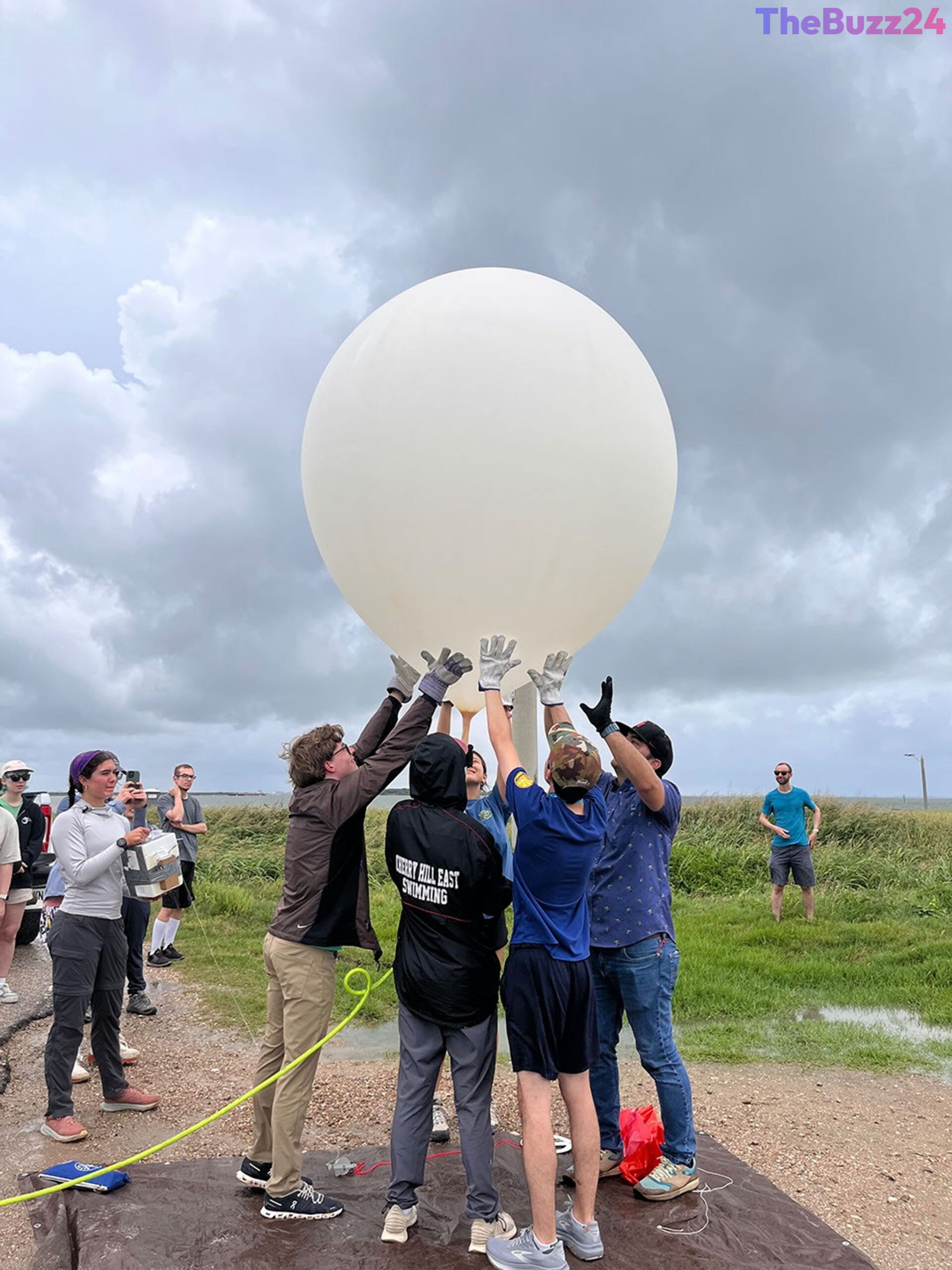
A cohort of 48 undergraduate students recently concluded an intensive eight-week summer session as part of the Student Airborne Research Program (SARP). The initiative, designed to bridge the gap between classroom theory and real-world application, provided participants with hands-on experience in atmospheric science, oceanography, terrestrial ecology, and hydrology. By working directly with instrument scientists and university mentors, students gained exposure to the complexities of field research, from chemical preparation of sensors to the deployment of ozonesondes into the atmosphere.
The program’s curriculum emphasized the practical aspects of Earth system science, requiring students to collect and analyze data while cross-referencing their findings with active satellite missions. A major highlight of the experience involved flight operations, where students boarded specialized aircraft—including NASA’s Gulfstream G-V and C-20A—to operate sophisticated instruments, such as laser-based particulate sensors. This immersive environment allowed participants to engage in every stage of a scientific campaign, fostering a deeper understanding of the technical and collaborative demands of modern research.
Beyond the technical data collection, the program serves as a critical pipeline for the next generation of STEM professionals. By rotating through different research sites in Texas, California, and Virginia, students were exposed to diverse ecosystems and research methodologies. The program aims to demystify career paths in Earth science, providing participants with the professional network and practical skills necessary to transition into graduate studies or careers in scientific research and environmental monitoring.
Key Takeaways
- The Student Airborne Research Program (SARP) provides undergraduates with hands-on experience in atmospheric, oceanic, and ecological field research.
- Students actively participated in scientific flight campaigns, utilizing advanced instrumentation on specialized aircraft to gather real-time environmental data.
- The program functions as a career development pipeline, connecting students with professional scientists and mentors to prepare them for future roles in STEM fields.
Editor’s Analysis & Impact
The SARP initiative represents a strategic investment in the future of Earth system science. By integrating undergraduate students into high-level airborne campaigns, the program addresses a critical need for practical, field-ready expertise in a rapidly evolving climate research landscape. The industry impact of such programs is significant; they not only produce a more capable workforce but also foster innovation by introducing fresh perspectives to established scientific methodologies. As satellite technology becomes increasingly central to environmental monitoring, the ability to ground-truth data through airborne and field research—a skill emphasized by this program—will remain a vital competency. The long-term implication is a more robust, interdisciplinary scientific community capable of tackling complex global challenges, such as ozone depletion and climate change, with a blend of technological proficiency and field-tested experience.
Frequently Asked Questions
Q: What is the primary goal of the Student Airborne Research Program?
A: The program aims to provide undergraduate students with hands-on experience in all aspects of scientific research, including data collection, analysis, and field operations, to prepare them for careers in STEM.
Q: Do students get to fly on research aircraft during the program?
A: Yes, students participate in science flights on specialized aircraft, where they work alongside scientists to operate instruments and collect atmospheric and environmental data.
AI Disclosure: This article is based on verified data and official reports. Our Team and AI have cross-referenced every financial detail with primary sources to ensure total accuracy.
More from this Category