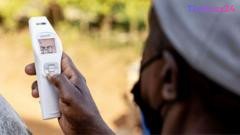
Nigeria Faces New Ebola Threat as Health Officials Trace Patient’s Movements
Public health authorities in Nigeria are working aggressively to contain a newly confirmed case of Ebola, tracing dozens of individuals who came into contact with a 42-year-old woman currently receiving treatment in Abuja. The patient, the wife of a diplomat, tested positive for the virus after falling ill upon returning from a holiday in Uganda, which included a brief transit stopover in Ethiopia.
Initially seeking medical care at two private facilities where her symptoms were mistaken for malaria—a common endemic illness sharing early signs like high fever and fatigue—the patient’s condition prompted a public health alert. Officials have since placed 44 identified contacts into isolation, though none have yet shown symptoms of the deadly virus. Health leaders emphasized a wide-net approach to containment, leveraging the country’s past experience and institutional infrastructure in managing infectious disease outbreaks.
The case has prompted minor diplomatic friction regarding the exact origin of the infection, as Ugandan health officials initially suggested the traveler merely transited through the country from the Democratic Republic of Congo. However, cross-border health agencies and Nigerian ministers have stressed regional solidarity and transparent data sharing rather than assigning blame. With outbreaks also affecting neighboring nations, international health experts continue to monitor the situation closely while urging nations to avoid knee-jerk travel restrictions that could hinder collaborative relief efforts.
Key Takeaways
- Nigeria's first Ebola patient in the current wave is a 42-year-old woman who recently traveled to Uganda and Ethiopia.
- Health authorities have successfully traced and isolated 44 individuals who had contact with the patient, though none have shown symptoms.
- Early symptoms of the patient were initially misdiagnosed as malaria due to overlapping indicators like fever and body aches.
Editor’s Analysis & Impact
The emergence of an Ebola case in Nigeria highlights the persistent vulnerability of interconnected African regions to cross-border infectious disease transmissions. While the current outbreak stemming from the Democratic Republic of Congo has strained regional resources, Nigeria’s swift activation of contact-tracing protocols demonstrates the critical value of institutional ‘muscle memory’ built during past health crises. Economically and logistically, the primary threat lies not just in the contagion itself, but in the potential overreaction of international travel advisories and trade restrictions. Maintaining transparent, cooperative diplomacy between transit and destination nations will be paramount to preventing widespread economic disruption and ensuring a unified containment strategy across the continent.
Frequently Asked Questions
Q: How did the patient contract the Ebola virus?
A: Health officials are currently investigating the exact point of contraction, noting that the patient spent time on holiday in Uganda and transited through Ethiopia following an ongoing regional outbreak originating in the Democratic Republic of Congo.
Q: What measures are being taken in Nigeria to prevent an outbreak?
A: Authorities have cast a wide contact-tracing net, identifying 44 individuals who came into contact with the patient and placing them into isolation. Health officials are also leveraging advanced disease surveillance and laboratory networks.
Q: Why was the Ebola case initially misdiagnosed?
A: The patient initially sought help at private clinics exhibiting symptoms such as high fever and body aches, which closely mirror malaria—an illness that is endemic in Nigeria.
AI Disclosure: This article is based on verified data and official reports. Our Team and AI have cross-referenced every financial detail with primary sources to ensure total accuracy.
More from this Category