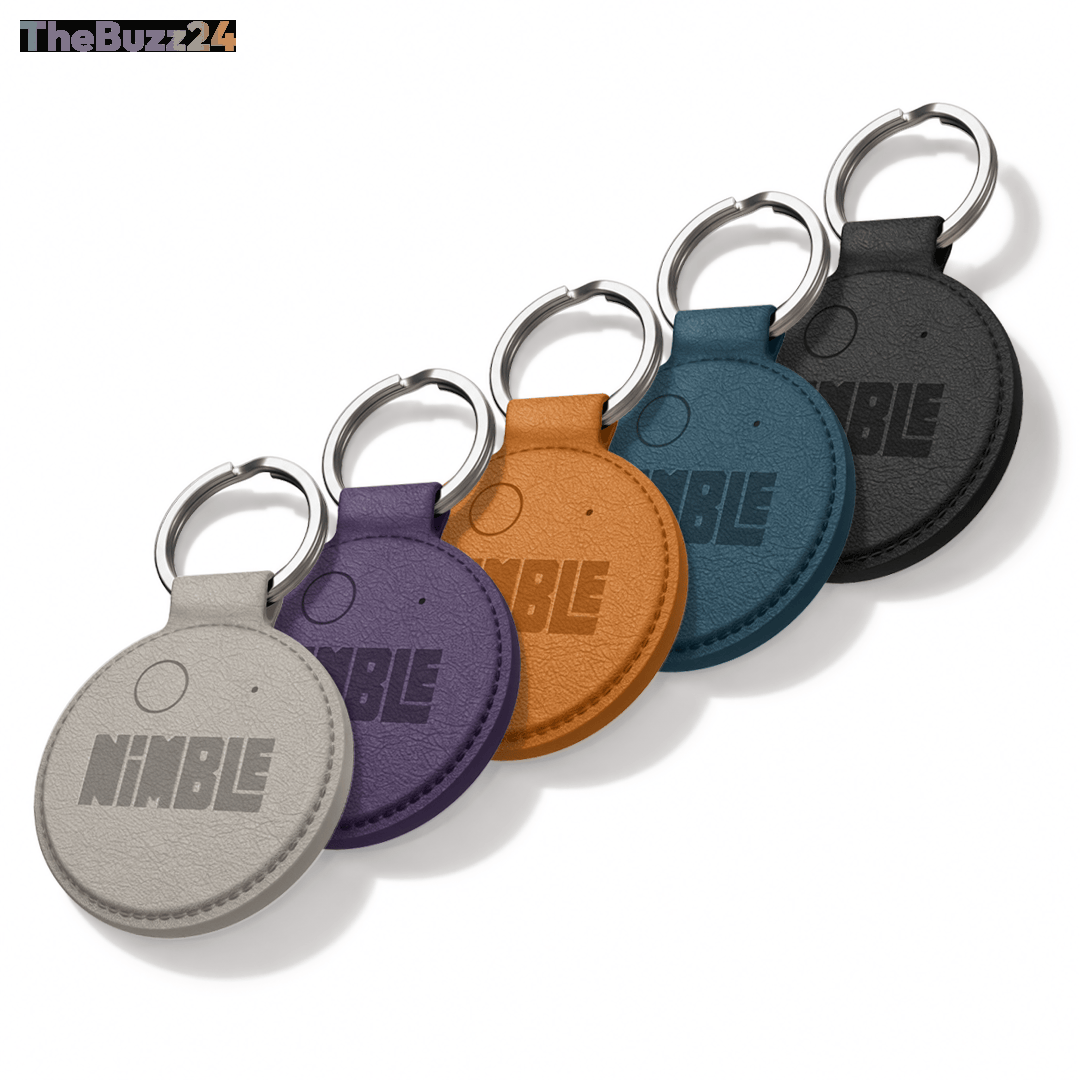
Nimble Launches Eco-Conscious Item Trackers Integrated into Everyday Accessories
Nimble, a brand recognized for its sustainable tech accessories, is expanding its product line to include item trackers, entering a competitive market alongside tech giants like Apple and Google. The company, founded by former Mophie executives, has introduced “Trace,” a collection featuring seven distinct products that embed tracking technology directly into practical items such as wallets, keychains, luggage tags, and passport covers.
This strategic move by Nimble aims to differentiate itself in the burgeoning Bluetooth tracking space. While Apple’s AirTag and Google’s Pixel Tag have gained prominence, Nimble’s approach focuses on integrating tracking capabilities into items consumers already use daily, rather than offering standalone devices. The Trace collection includes items like the Trace Tag, a wallet-friendly option with a replaceable battery, and the more premium Trace Folio, a rechargeable passport cover. Other offerings span various price points and functionalities, catering to a diverse range of consumer needs.
Compatibility with both Apple’s Find My network and Google’s Find Hub network ensures broad usability for Nimble’s new trackers. The company highlights its commitment to sustainability, utilizing recycled plastics and plant-based vegan leather in the Trace collection. Furthermore, Nimble emphasizes its rigorous testing for harmful chemicals, aligning with its brand ethos of producing environmentally responsible accessories. This focus on eco-friendly materials and rechargeable options sets Nimble apart from many competitors who rely on disposable batteries and less sustainable manufacturing processes.
The Trace collection is now available for purchase through Nimble’s website and Amazon, offering consumers a blend of technology, convenience, and environmental consciousness in their everyday accessories. The products come in five color variations, allowing for personalization alongside their functional benefits.
Key Takeaways
- Nimble has launched a new line of item trackers called 'Trace', integrating the technology into everyday accessories like wallets and luggage tags.
- The collection is compatible with both Apple's Find My and Google's Find Hub networks.
- Nimble emphasizes sustainability, using recycled materials and offering rechargeable options, differentiating itself in the item-tracking market.
Editor’s Analysis & Impact
Nimble’s entry into the item-tracking market with its integrated accessory approach presents an interesting challenge to established players. By embedding tracking into items like wallets and passport covers, Nimble taps into a consumer desire for seamless integration rather than added gadgets. The brand’s strong emphasis on sustainability and rechargeable batteries further distinguishes it, appealing to an increasingly eco-conscious consumer base. This strategy could carve out a significant niche, especially as the broader market for personal tracking devices continues to expand and mature. The success of the Trace collection will likely depend on its performance, pricing, and how effectively Nimble communicates its unique value proposition.
Frequently Asked Questions
Q: What is the Nimble Trace collection?
A: The Nimble Trace collection is a series of seven item trackers where the tracking technology is built directly into everyday accessories such as wallets, keychains, luggage tags, and passport covers. It aims to offer a more integrated and sustainable solution for tracking personal belongings.
Q: Are Nimble's item trackers compatible with major networks?
A: Yes, all products in the Nimble Trace collection are compatible with both Apple's Find My network and Google's Find Hub network, allowing for broad tracking capabilities across different ecosystems.
Q: What makes Nimble's trackers eco-friendly?
A: Nimble uses recycled plastics and plant-based vegan aloe leather in the construction of its Trace collection. The company also prioritizes rechargeable options over disposable batteries and has conducted third-party testing to minimize harmful chemicals in its products.
AI Disclosure: This article is based on verified data and official reports. Our Team and AI have cross-referenced every financial detail with primary sources to ensure total accuracy.
More from this Category