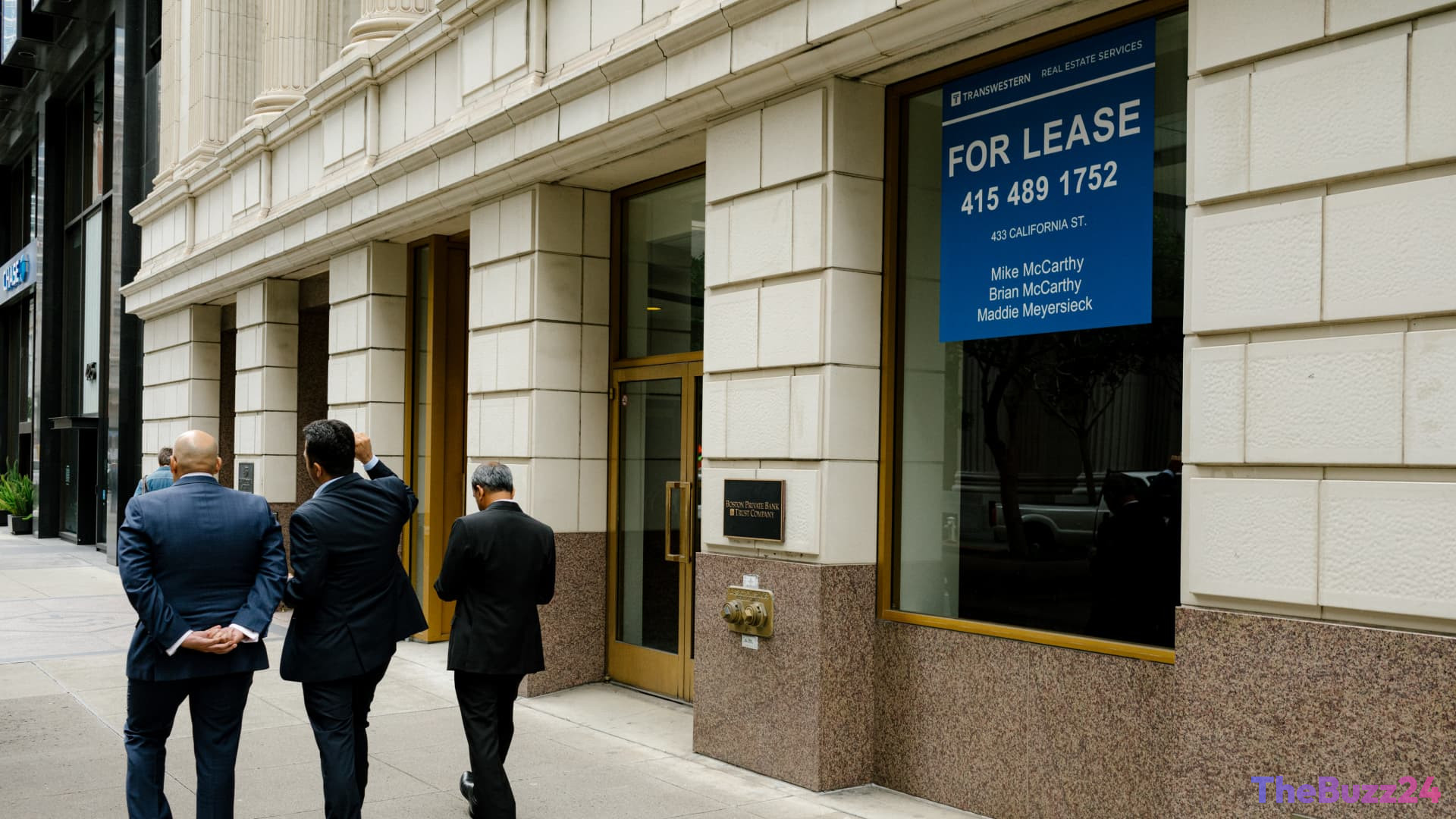
Commercial Office Market Rebounds to Post-Pandemic Peak
The commercial real estate sector has experienced a notable resurgence, with office demand reaching its highest point since the start of the global pandemic during the first quarter of this year. Data indicates a significant rise in interest for office space, with inquiries for both virtual and in-person tours climbing 18% quarter-over-quarter and 13% year-over-year. This surge in activity serves as a leading indicator for future lease agreements, signaling a potential stabilization in corporate real estate strategies despite ongoing economic volatility.
Growth is being fueled by a diverse array of industries, moving beyond the traditional tech-centric demand. While the artificial intelligence sector remains a primary driver for technology firms, there is a marked increase in leasing activity from the finance and legal sectors. Major metropolitan areas are seeing the most significant gains, with San Francisco and New York City leading the recovery. Meanwhile, Los Angeles has reported double-digit growth, largely attributed to expansion within the creative industries.
Despite these positive indicators, the recovery remains geographically fragmented. While some hubs thrive, cities like Boston are facing headwinds due to a slowdown in life science funding, and markets such as Seattle, Chicago, and Washington, D.C., are seeing a contraction in demand. This disparity highlights a widening gap between regions with robust employment drivers and those struggling to find a primary growth engine. Nationally, the office vacancy rate saw a marginal improvement, dipping 14 basis points to 22.2%.
Interestingly, this rebound is occurring even as office-based employment levels remain below their 2022 peaks. This suggests that many organizations are taking advantage of current market conditions to consolidate their physical footprints and implement more structured return-to-office policies. As the industry matures, the divide between high-demand, modern office spaces and aging, underutilized properties is becoming the defining characteristic of the current real estate landscape.
Key Takeaways
- Office demand has reached its highest level since the pandemic, with tour inquiries rising 18% over the previous quarter.
- Growth is driven by a mix of AI, finance, and legal firms, with San Francisco, New York, and Los Angeles leading the recovery.
- The market is experiencing a 'K-shaped' recovery, where some cities thrive while others, like Boston and Chicago, face continued contraction.
Editor’s Analysis & Impact
The commercial real estate market is undergoing a structural transformation rather than a simple cyclical recovery. The decoupling of office demand from total office-based employment suggests that companies are prioritizing ‘quality over quantity,’ moving toward premium, well-located spaces that facilitate collaboration and support return-to-office mandates. This trend creates a significant risk for owners of older, ‘Class B’ or ‘Class C’ office stock, which may face obsolescence if they cannot be repurposed. Looking ahead, the market will likely remain bifurcated; cities that successfully diversify their economic base beyond a single industry will outperform. Investors should remain cautious of regional volatility, as the reliance on specific sectors—like life sciences or tech—can lead to rapid shifts in local vacancy rates. The long-term outlook favors modern, amenity-rich buildings that align with the evolving needs of a hybrid workforce.
Frequently Asked Questions
Q: Why is office demand rising if employment levels are lower than 2022 peaks?
A: Companies are using the current market to consolidate their real estate footprints into higher-quality spaces and are enforcing return-to-office mandates, which necessitates a physical presence despite lower overall headcount.
Q: Which cities are currently leading the office market recovery?
A: San Francisco and New York City are currently leading the recovery, while Los Angeles has also seen double-digit growth due to expansion in the creative sector.
AI Disclosure: This article is based on verified data and official reports. Our Team and AI have cross-referenced every financial detail with primary sources to ensure total accuracy.
More from this Category