Global Oil Markets Face Sustained Volatility as Geopolitical Risks Mount
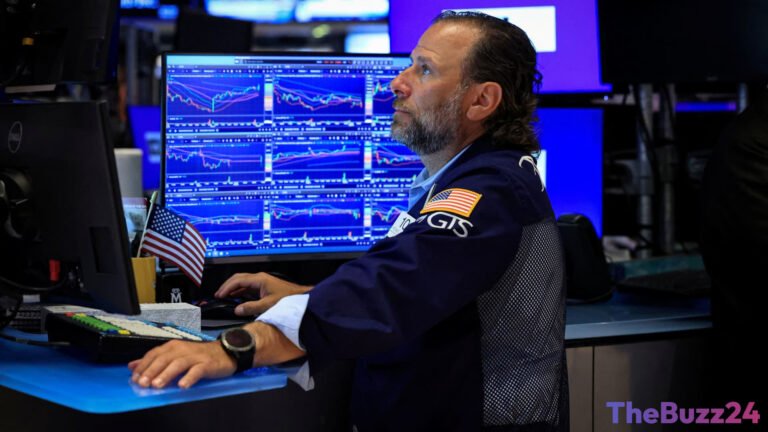
Global energy markets are currently grappling with significant instability as traders weigh the impact of ongoing geopolitical tensions in the Middle East. Despite recent military escalations and retaliatory strikes that have cast doubt on regional stability, financial markets have largely maintained an optimistic outlook, betting on a rapid resolution to the conflict. This disconnect between market sentiment and the reality of active hostilities has raised alarms among analysts, who suggest that investors may be underestimating the potential for prolonged price swings.
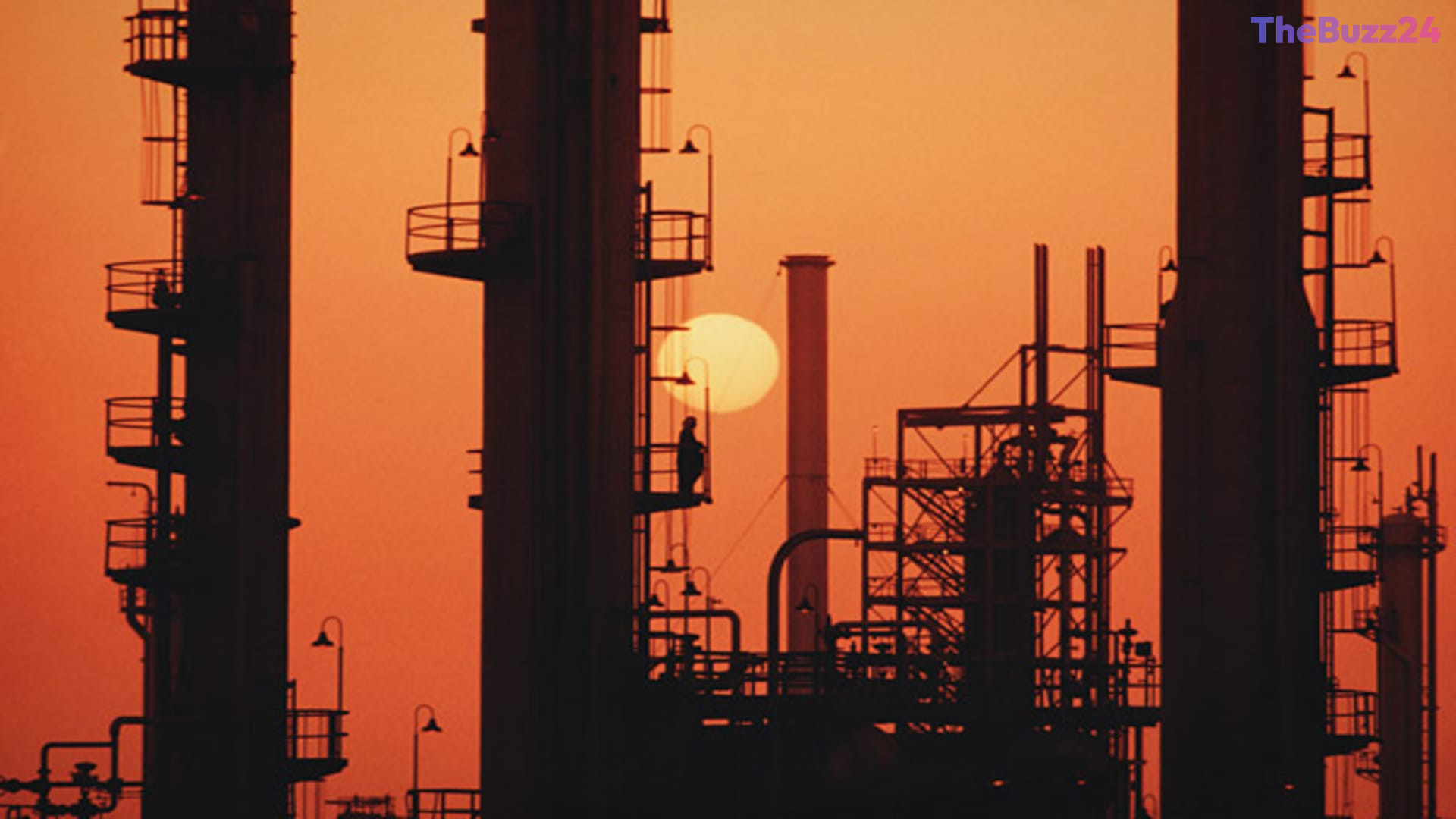
Both Brent crude and West Texas Intermediate futures have seen sharp fluctuations, with prices frequently testing the $90 per barrel mark. The difficulty in forecasting future trends is compounded by contradictory signals from the region, where intermittent reports of diplomatic progress are often quickly negated by new military developments. This creates a challenging environment for energy producers and consumers alike, complicating efforts to hedge against price spikes or secure long-term energy supplies.
Industry experts are increasingly skeptical that oil prices will retreat to the $60 to $70 per barrel range in the near term. The current market valuation incorporates a persistent ‘risk premium’ driven by concerns over the security of vital energy transit routes, most notably the Strait of Hormuz. Even if active combat were to subside, the combination of potential infrastructure damage, the need for nations to replenish strategic reserves, and a heightened structural risk premium suggests that elevated energy costs will likely remain a fixture of the global economy for the foreseeable future.
Key Takeaways
- Oil prices are experiencing significant volatility, frequently trading above $90 per barrel due to regional instability.
- A notable gap exists between market optimism for a quick conflict resolution and the actual risks posed by ongoing military tensions.
- Analysts suggest that a return to lower price levels is unlikely due to a structural risk premium and threats to critical maritime shipping lanes.
Editor’s Analysis & Impact
The current state of the oil market reflects a ‘hope-based’ trading strategy that is fundamentally at odds with geopolitical realities. By pricing in a rapid de-escalation, the market remains highly vulnerable to sudden shocks should the conflict intensify or disrupt key maritime chokepoints. The structural risk premium now embedded in oil prices suggests that the era of inexpensive energy may be on hold, as supply chain fragility and the necessity for strategic stockpiling establish a new, higher floor for global crude prices. For businesses and policymakers, this implies that energy-related inflationary pressures will likely persist, necessitating a shift toward more resilient supply chain strategies and potentially accelerating the transition toward alternative energy sources to mitigate long-term exposure to regional instability.
Frequently Asked Questions
Q: Why are oil prices remaining high despite hopes for a resolution?
A: Prices remain elevated due to a 'risk premium' that accounts for the potential disruption of critical shipping lanes and the ongoing uncertainty regarding regional infrastructure and supply stability.
Q: What is the significance of the Strait of Hormuz in this context?
A: The Strait of Hormuz is a vital maritime chokepoint for global oil transit; any threat to this route significantly increases market anxiety and drives up the price of crude oil.
AI Disclosure: This article is based on verified data and official reports. Our Team and AI have cross-referenced every financial detail with primary sources to ensure total accuracy.
More from this Category