Ro Khanna’s Industrial Pivot: A New Blueprint for American Economic Policy
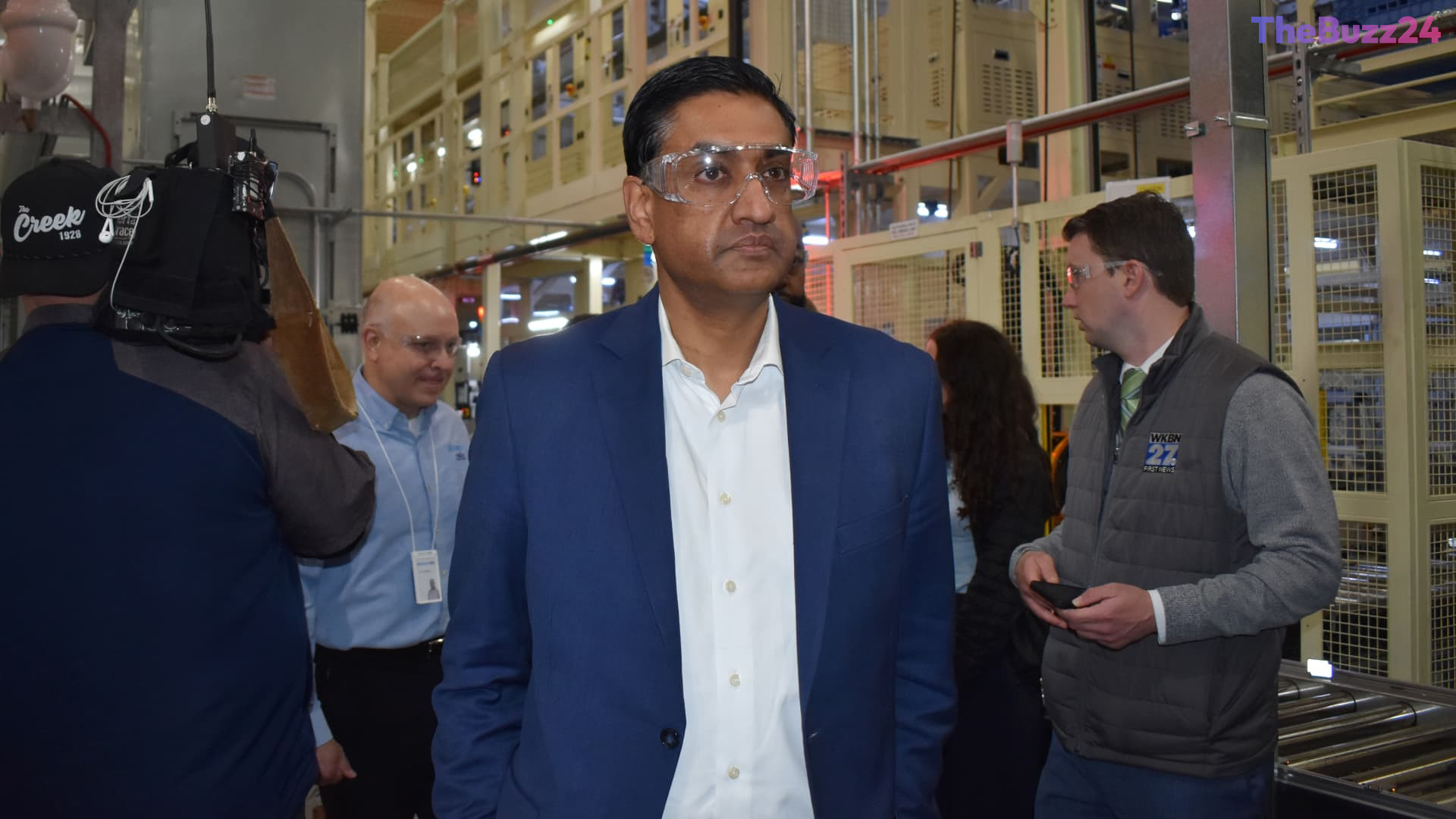
Representative Ro Khanna is currently spearheading a high-profile tour across the American Rust Belt, promoting a policy framework he calls ‘New Economic Patriotism.’ By visiting manufacturing centers, steel mills, and agricultural hubs in states like Pennsylvania, Ohio, and Michigan, the California congressman is advocating for a 13-point plan aimed at revitalizing domestic production. While the tour is presented as a policy-focused initiative, the strategic nature of these visits has intensified speculation regarding his potential interest in a 2028 presidential bid.
Central to Khanna’s platform is the ‘Marshall Plan for America,’ a proposal that envisions the creation of a national industrial bank. This entity would provide direct capital to critical sectors such as automotive manufacturing, steel production, and energy, moving away from the volatility of traditional tax-based incentives. To finance these large-scale investments, Khanna has outlined a funding strategy that includes reallocating portions of the defense budget, increasing corporate and estate taxes, and introducing a novel levy on artificial intelligence tokens.
Khanna occupies a unique political space, representing Silicon Valley while maintaining personal ties to Pennsylvania. This dual identity allows him to serve as a conduit between the tech industry and traditional industrial labor. By engaging directly with local business owners and workers in regions that have historically struggled with deindustrialization, he is attempting to construct a populist economic narrative designed to resonate with voters who feel left behind by current market shifts. Political analysts are closely monitoring his efforts to forge a coalition that successfully merges progressive ideals with the practical economic concerns of the working class.
Key Takeaways
- Representative Ro Khanna is touring the Rust Belt to promote 'New Economic Patriotism,' a plan focused on domestic manufacturing.
- The 'Marshall Plan for America' proposes a national industrial bank funded by tax reforms and a unique levy on AI tokens.
- Khanna’s outreach is widely interpreted as a strategic move to build a national coalition for a potential future presidential run.
Editor’s Analysis & Impact
Ro Khanna’s current tour represents a significant attempt to redefine the Democratic Party’s economic identity by moving away from purely coastal, tech-centric policies toward a more inclusive, industrial-focused agenda. By proposing a national industrial bank, Khanna is signaling a desire for more direct government intervention in the economy, which could have profound implications for how the U.S. manages its supply chains and competes with global powers like China. If this platform gains traction, it could force a broader debate within the party regarding the balance between high-tech innovation and the protection of traditional labor. Furthermore, his ability to synthesize Silicon Valley interests with Rust Belt concerns makes him a unique figure to watch, as he attempts to build a coalition that addresses the anxieties of the modern working class while maintaining a forward-looking stance on emerging technologies.
Frequently Asked Questions
Q: What is the 'Marshall Plan for America' proposed by Ro Khanna?
A: It is a 13-point economic plan that includes the creation of a national industrial bank to provide stable capital for critical sectors like steel, automotive, and energy production.
Q: How does Ro Khanna plan to fund his economic initiatives?
A: Khanna suggests funding his proposals through a combination of reallocating defense budget funds, increasing corporate and estate taxes, and implementing a new levy on artificial intelligence tokens.
AI Disclosure: This article is based on verified data and official reports. Our Team and AI have cross-referenced every financial detail with primary sources to ensure total accuracy.
More from this Category