Blue Origin’s New Glenn Rocket Destroyed in Catastrophic Launchpad Explosion
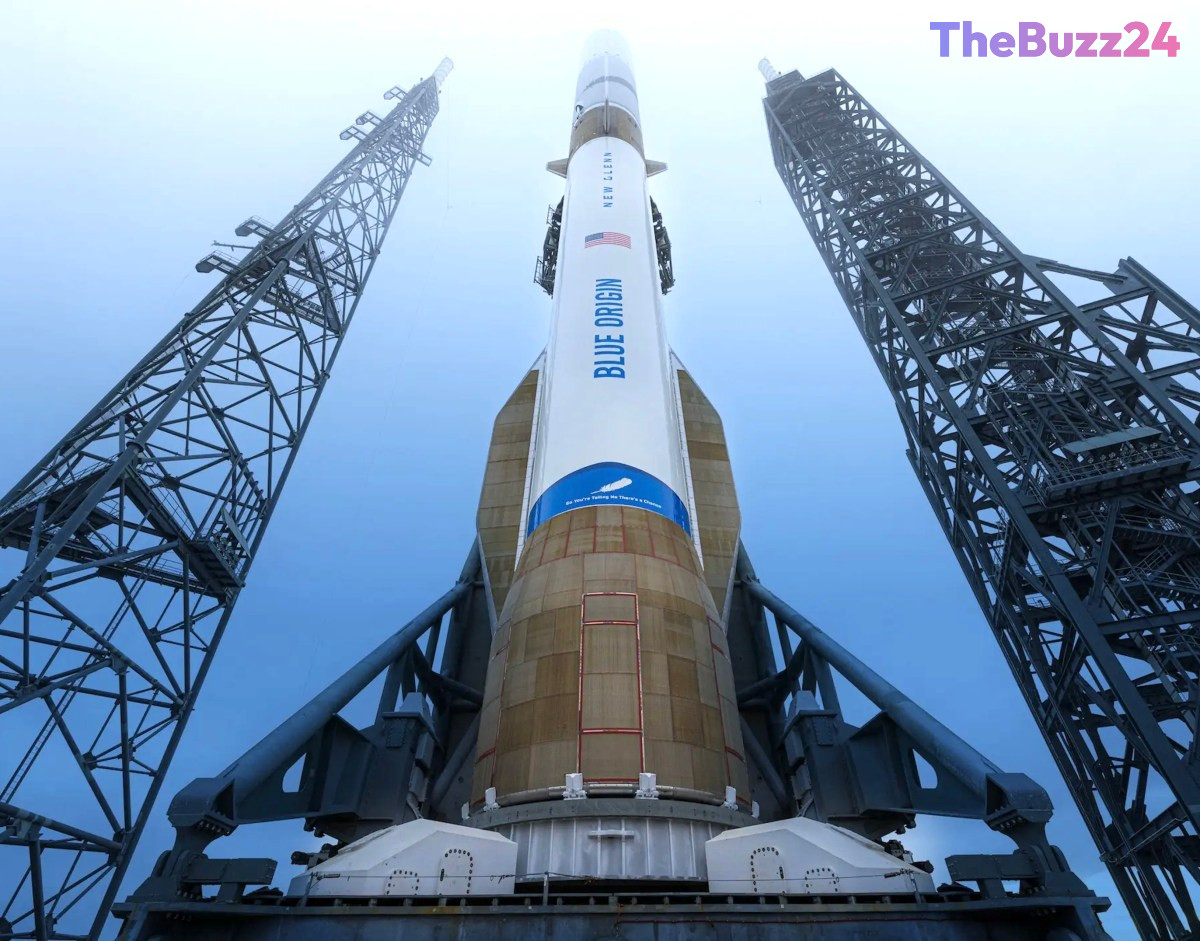
Blue Origin faced a major operational setback on Thursday evening when its New Glenn heavy-lift rocket was destroyed during a static fire test at Launch Complex 36 in Cape Canaveral, Florida. The explosion occurred at approximately 9 p.m. ET while the vehicle was being prepared for a mission intended to deploy Amazon Leo internet satellites. Although the rocket was completely lost in the blast, the company confirmed that no injuries occurred and all personnel on-site remained safe.
The incident represents a significant hurdle for the aerospace firm, which has invested over a decade into the development of the New Glenn rocket to challenge competitors in the commercial satellite and national security launch sectors. Because the rocket was fully fueled during the test, the resulting explosion was substantial, forcing an immediate and indefinite suspension of the New Glenn program. Blue Origin has initiated a comprehensive investigation to determine the root cause of the failure and has expressed a commitment to resuming flight operations once safety and technical integrity are restored.
Government oversight agencies are already involved in the aftermath of the event. The Federal Aviation Administration is actively monitoring the situation, confirming that the explosion did not disrupt local air traffic. Additionally, NASA has offered its support for the investigation, as the agency assesses the potential impact of this failure on future Artemis moon missions and other collaborative aerospace initiatives. This disaster follows a series of challenges for the program, including an upper-stage failure earlier in 2026, complicating the company’s goal of maintaining an aggressive launch cadence for the remainder of the year.
Key Takeaways
- A New Glenn rocket was destroyed during a static fire test at Cape Canaveral, with no injuries reported.
- The incident has forced an indefinite pause on the New Glenn program while an investigation into the cause is conducted.
- NASA and the FAA are coordinating with the company to assess the impact on future missions, including the Artemis program.
Editor’s Analysis & Impact
The destruction of the New Glenn rocket is a pivotal moment for the commercial space industry. As Blue Origin attempts to position itself as a primary competitor to established players like SpaceX, this failure highlights the extreme technical volatility inherent in heavy-lift rocket development. The market impact will likely be felt in the short term through increased regulatory scrutiny and potential delays in the deployment of the Amazon Leo satellite constellation. However, the broader implication is a reminder of the ‘trial by fire’ nature of the aerospace sector. While this setback is significant, the company’s ability to transparently address the root cause and demonstrate a path to recovery will be critical in maintaining investor confidence and securing future government contracts. The industry will be watching closely to see how quickly the firm can pivot back to flight readiness.
Frequently Asked Questions
Q: Were there any injuries during the New Glenn explosion?
A: No, Blue Origin confirmed that all personnel were accounted for and safe following the incident.
Q: What was the purpose of the static fire test?
A: The test was a routine procedure to prepare the rocket for an upcoming mission intended to carry Amazon Leo internet satellites into orbit.
AI Disclosure: This article is based on verified data and official reports. Our Team and AI have cross-referenced every financial detail with primary sources to ensure total accuracy.
More from this Category