Oil Markets Volatile as Trump Issues Ultimatum to Iran Amid Conflicting Diplomatic Signals
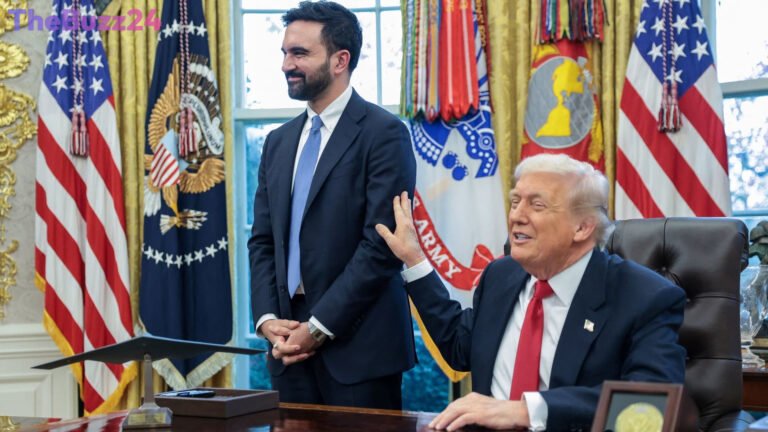
Global energy markets are experiencing heightened volatility as the United States and Iran exchange contradictory statements regarding the status of potential peace negotiations. President Donald Trump has publicly characterized current diplomatic efforts as a ‘last chance’ for Tehran to resolve the ongoing five-month conflict, asserting that discussions are actively underway at the request of several regional partners, including Saudi Arabia, the United Arab Emirates, and Qatar.
Despite these claims, the Iranian government continues to maintain a firm stance, denying that any direct negotiations with the U.S. are occurring or are currently planned. Iranian President Masoud Pezeshkian emphasized that while the nation remains committed to defending its borders, it has no intention of escalating the conflict. Foreign ministry spokesperson Esmail Baghaei further clarified that Tehran’s current diplomatic engagement is limited to discussions with Oman concerning the security of the Strait of Hormuz, directly contradicting the narrative presented by the White House.
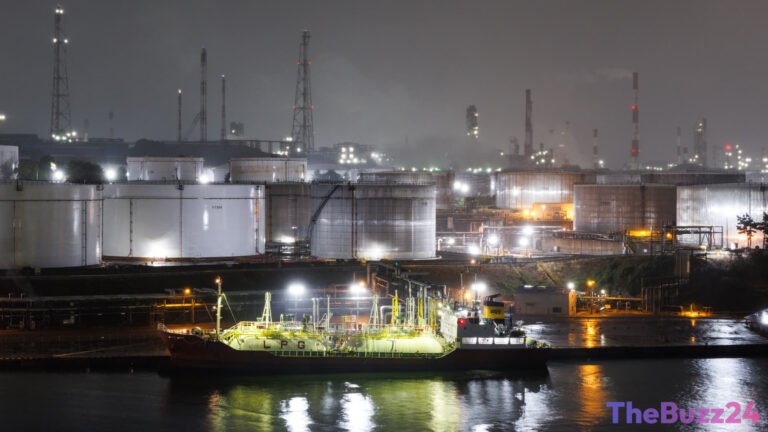
The uncertainty surrounding these diplomatic channels has had an immediate impact on global commodity prices. After an initial slump caused by the prospect of de-escalation, oil prices rebounded on Tuesday as market confidence in a peaceful resolution waned. West Texas Intermediate futures rose by over 2%, while Brent crude saw a similar increase, reflecting investor anxiety over the stability of energy supply chains. Meanwhile, military tensions persist, with U.S. Central Command reporting the redirection of commercial vessels in the Strait of Hormuz and unconfirmed reports of regional security incidents near the Kuwaiti border.
Key Takeaways
- President Trump has labeled ongoing diplomatic efforts as the 'last chance' for Iran to reach a peace agreement, though Tehran denies that direct negotiations are taking place.
- Global oil prices have rebounded as market participants grow skeptical that a diplomatic breakthrough is imminent.
- Military activity remains high in the Strait of Hormuz, with U.S. forces continuing to redirect commercial shipping traffic amid the ongoing regional conflict.
Editor’s Analysis & Impact
The current standoff between Washington and Tehran highlights the extreme sensitivity of global energy markets to geopolitical rhetoric. The divergence between the U.S. administration’s claims of active negotiations and Iran’s public denials creates a ‘fog of war’ scenario that prevents investors from accurately pricing risk. Should these diplomatic efforts fail, the potential for further disruption in the Strait of Hormuz—a critical chokepoint for global oil transit—could lead to sustained upward pressure on energy costs. The market is currently in a ‘wait-and-see’ mode, where any concrete evidence of either a de-escalation or a military escalation will likely trigger significant price swings. Long-term stability remains unlikely until a verifiable, transparent communication channel is established between the two nations, as the current cycle of conflicting narratives serves only to exacerbate economic uncertainty.
Frequently Asked Questions
Q: Why are oil prices fluctuating in response to these diplomatic updates?
A: Oil prices are highly sensitive to geopolitical stability. When there is hope for a peaceful resolution to the conflict, prices tend to drop; when that hope fades due to conflicting reports, traders increase prices to account for the risk of supply chain disruptions.
Q: What is the significance of the Strait of Hormuz in this conflict?
A: The Strait of Hormuz is a vital maritime chokepoint for global oil shipments. Any military activity or blockade in this region threatens the flow of energy supplies, which directly impacts global oil prices and market stability.
AI Disclosure: This article is based on verified data and official reports. Our Team and AI have cross-referenced every financial detail with primary sources to ensure total accuracy.
More from this Category