Saudi Aramco Surges to 33% Profit Jump as Regional Conflict Tightens Global Oil Supply
Saudi Aramco has announced a significant 33% year-on-year surge in second-quarter profit, comfortably surpassing market expectations as escalating hostilities in the Middle East drive up global energy prices. The world’s largest petroleum enterprise reported an adjusted net income of 125.2 billion Saudi riyals, equivalent to approximately $33.4 billion, for the April through June period. This robust financial performance outperformed consensus analyst projections, which had anticipated figures closer to $31.59 billion.
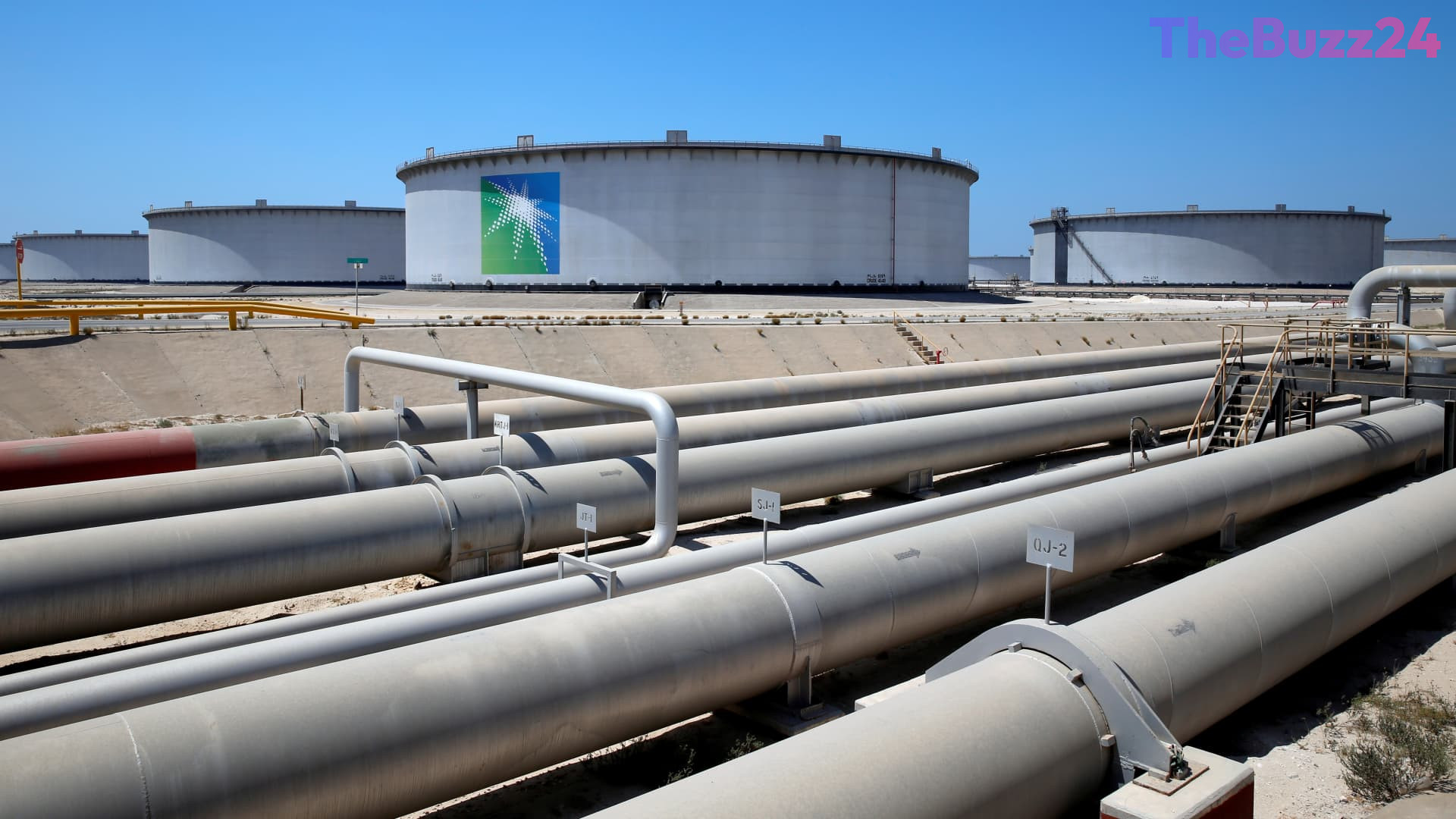
The remarkable revenue growth was primarily fueled by elevated market values for crude oil alongside refined and chemical products. However, the positive financial momentum unfolded against a backdrop of severe geopolitical friction and supply chain bottlenecks, particularly stemming from extensive disruptions within the crucial Strait of Hormuz. In response to these maritime transit challenges, Saudi Aramco successfully mitigated potential export halts by aggressively utilizing its strategic 1,200-kilometer East-West pipeline. This infrastructure pivot allowed the company to channel petroleum directly to the Red Sea, maintaining robust export capabilities at a maximum capacity of 7 million barrels daily.
Leadership at the oil giant emphasized that decades of strategic asset planning and diversified infrastructure played an instrumental role in sustaining operational continuity during an unprecedented historical supply shock. Despite these mitigating measures, executive warnings highlight a prolonged path to market recovery, noting that depleted global inventories will require substantial time to replenish even if vital shipping lanes were to immediately reopen. Meanwhile, the broader macroeconomic ripple effects of the ongoing crisis have triggered intense political scrutiny abroad, with international leaders expressing concern over soaring corporate profits and consumer fuel costs.
Key Takeaways
- Saudi Aramco posted a 33% year-on-year jump in second-quarter profit, reaching $33.4 billion and beating analyst expectations.
- The profit surge was driven by soaring crude and refined product prices resulting from supply disruptions in the Strait of Hormuz.
- The company successfully maintained strong export levels by rerouting oil through its 1,200-kilometer East-West pipeline to the Red Sea.
Editor’s Analysis & Impact
The staggering second-quarter financial results from Saudi Aramco and major Western energy firms underscore the profound vulnerability of global energy markets to geopolitical shocks. The ongoing conflict in the Middle East has exposed structural fragilities in key maritime chokepoints like the Strait of Hormuz, forcing energy conglomerates to heavily rely on redundant infrastructure such as overland pipelines. While this has preserved corporate profitability and near-term export capacity in the face of historic supply contractions, the long-term outlook remains fraught with inflation risks and political backlash. As energy executives warn that inventory replenishment could take up to 18 months, governments worldwide will likely face mounting pressure to accelerate transition strategies, diversify supply chains, and address consumer fuel affordability.
Frequently Asked Questions
Q: What caused Saudi Aramco's profits to jump in the second quarter?
A: The profit increase was primarily driven by higher global prices for crude oil, refined goods, and chemical products resulting from supply shortages tied to the Middle East conflict.
Q: How did Saudi Aramco bypass disruptions in the Strait of Hormuz?
A: The company utilized its strategic 1,200-kilometer East-West pipeline to transport crude directly to the Red Sea, maintaining export levels at up to 7 million barrels per day.
Q: How long might it take to replenish depleted global oil inventories?
A: Company leadership estimates that even if the Strait of Hormuz were to reopen immediately, it would take up to 18 months at an average recovery rate to fully rebuild depleted global stockpiles.
AI Disclosure: This article is based on verified data and official reports. Our Team and AI have cross-referenced every financial detail with primary sources to ensure total accuracy.
More from this Category