Oil Prices Skyrocket as U.S. Navy Implements Maritime Blockade of Iranian Ports
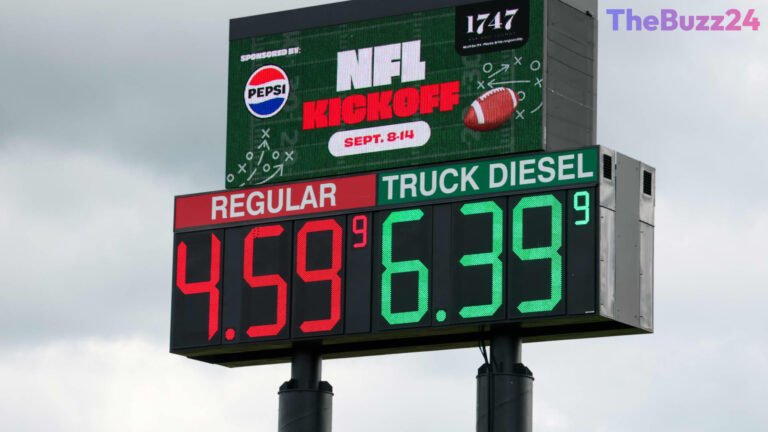
Global energy markets experienced massive volatility on Monday as crude oil prices surged following a major escalation in Middle Eastern tensions. U.S. crude oil futures for May delivery jumped over 7% to $103.66 per barrel, while Brent crude saw a similar spike of 7.2%, reaching $102.05. This sudden price hike follows the collapse of critical diplomatic negotiations in Pakistan, where efforts to resolve the ongoing conflict between the United States and Iran ended without a breakthrough.
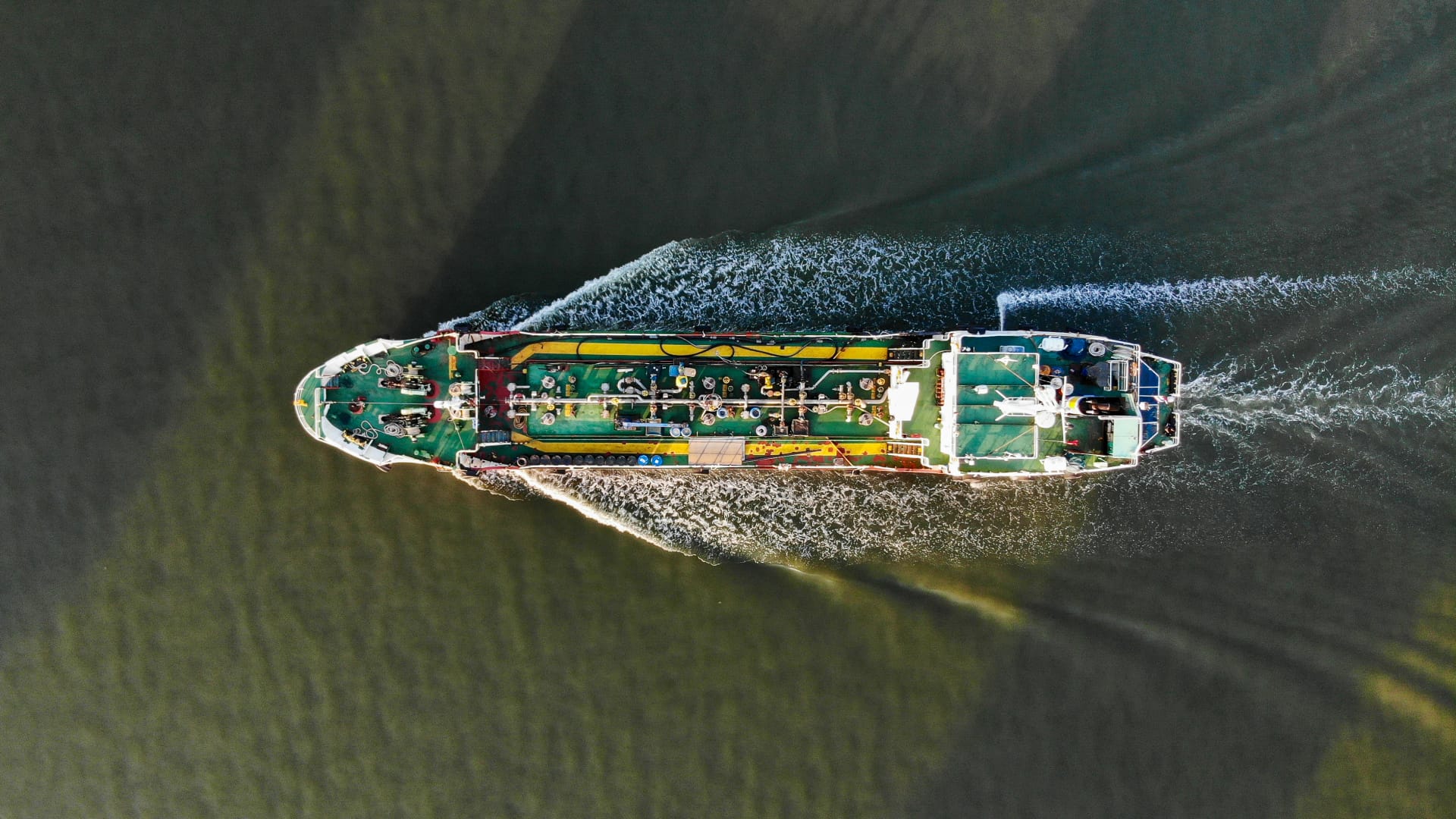
In response to the failed talks, the U.S. Navy has officially commenced a comprehensive blockade of all maritime traffic entering or exiting Iranian ports. The enforcement, effective as of Monday morning, covers vessels in the Arabian Gulf and the Gulf of Oman. While the blockade specifically targets Iranian port access, officials have noted that traffic to and from non-Iranian ports will remain unobstructed.
The geopolitical tension has reached a boiling point, with President Donald Trump ordering the Navy to intercept any vessels in international waters that have paid transit tolls to Iran for passage through the Strait of Hormuz. This move comes as the administration weighs the possibility of limited military strikes to break the current stalemate. The Strait of Hormuz is a vital artery for the global economy, historically facilitating the movement of approximately 20% of the world’s oil supply.
The breakdown in diplomacy was largely attributed to fundamental disagreements regarding Iran’s nuclear program. Vice President JD Vance, who headed the U.S. delegation, noted that the impasse was driven by Iran’s refusal to commit to abandoning nuclear weapons development. Conversely, Iranian officials have expressed skepticism, claiming the United States failed to establish the necessary trust required for a successful resolution.
Key Takeaways
- Crude oil prices surged over 7% following the collapse of peace negotiations between the U.S. and Iran.
- The U.S. Navy has initiated a blockade of Iranian ports, impacting maritime traffic in the Arabian Gulf and Gulf of Oman.
- The potential disruption of the Strait of Hormuz threatens nearly 20% of the global oil supply.
Editor’s Analysis & Impact
The sudden escalation in the Middle East, marked by the failure of diplomatic talks and the subsequent naval blockade, represents a significant threat to global energy security. With the Strait of Hormuz serving as a critical transit point for one-fifth of the world’s oil, any prolonged disruption could lead to sustained high energy costs and inflationary pressures across the globe. The market’s immediate reaction—a sharp spike in crude futures—reflects deep-seated fears regarding supply chain stability. Looking ahead, the situation remains highly volatile; the administration’s consideration of military strikes suggests that the conflict could transition from a maritime blockade to a broader kinetic engagement. Investors and policymakers must prepare for a period of extreme market uncertainty as the focus shifts to whether diplomatic channels can be reopened or if military escalation becomes inevitable.
Frequently Asked Questions
Q: Why did oil prices increase so sharply?
A: Prices rose due to the collapse of peace talks between the U.S. and Iran and the subsequent U.S. Navy blockade of Iranian ports, which threatens global oil supplies.
Q: What is the significance of the Strait of Hormuz?
A: The Strait of Hormuz is a vital maritime passage that handles approximately 20% of the world's total oil supply.
Q: Which vessels are affected by the new U.S. Navy orders?
A: The Navy is targeting vessels in international waters that have paid transit tolls to Iran for passage through the Strait of Hormuz.
AI Disclosure: This article is based on verified data and official reports. Our Team and AI have cross-referenced every financial detail with primary sources to ensure total accuracy.
More from this Category