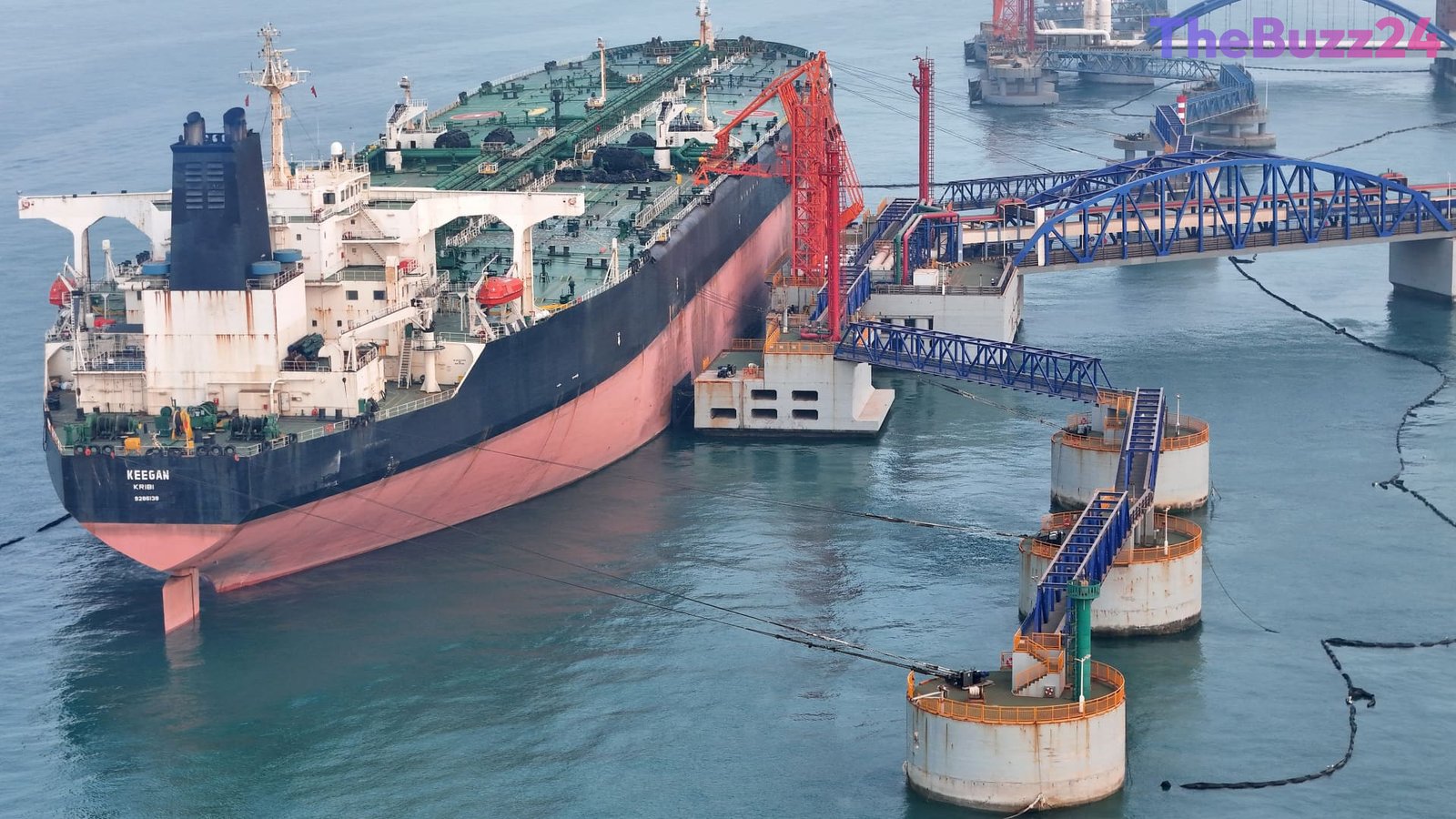
Oil Surges Past $100 as Middle East Tensions Mount, China’s Demand Becomes Pivotal
U.S. crude oil prices have recently surged past the $100 per barrel mark, reaching their highest levels since May, amidst escalating geopolitical tensions in the Persian Gulf. This significant rally, which saw futures contracts climb approximately 50% from their summer low of $68.55, underscores a re-evaluation of risk in the global energy market.
The sharp increase in prices is directly linked to a heightened state of conflict in the Middle East, including the shutdown of Saudi Arabia’s critical East-West oil pipeline following multiple attacks. The market has gradually integrated a risk premium since the collapse of a memorandum of understanding between Washington and Tehran in June, and the subsequent re-imposition of a naval blockade on Iran in July. While current prices remain below the April 7 wartime peak of $112.95, the upward trajectory reflects a growing concern over supply disruptions.
A crucial determinant for sustained price rallies lies with China’s crude oil import strategy. Historically, China has acted as a significant swing consumer, utilizing its vast petroleum reserves of over 1 billion barrels to reduce imports by 3 million to 5 million barrels per day, effectively preventing prices from skyrocketing during periods of conflict. This ‘crash diet’ played a vital role in stabilizing the market.
However, the landscape is shifting. Chinese refiners now face strong incentives to increase crude purchases, driven by soaring profit margins for diesel production. Global refining capacity has been significantly impacted by ongoing conflicts, creating a lucrative opportunity for refiners to process crude and supply products to the market. While China’s imports, which plunged to a wartime low of around 6 million bpd in June, have since risen to approximately 7 million bpd in July and August, experts hold differing views on the extent of future increases. Some analysts suggest Beijing, a savvy buyer, may lean more on existing inventories rather than dramatically ramping up purchases at triple-digit prices.
Adding to the upward pressure on prices is the impending end of emergency stockpile releases. Global inventories have plummeted by 400 million barrels over the past six months, eroding a key buffer that previously helped contain price surges. With geopolitical uncertainties persisting and market optimism for a swift resolution fading, the confluence of these factors points towards continued volatility and potential for further price appreciation in the global oil market.
Key Takeaways
- U.S. crude oil prices have surged past $100 per barrel, driven by escalating Middle East conflicts and a re-established risk premium.
- China's demand for crude oil is a critical factor for future price movements, with its past 'crash diet' having prevented earlier price spikes.
- Depleting global emergency stockpiles and fading hopes for peace are contributing to sustained upward pressure on oil prices.
Editor’s Analysis & Impact
The recent surge in crude oil prices above $100 per barrel signals a significant shift in the global energy market, with profound implications. For consumers and businesses, this translates to higher fuel costs, potentially exacerbating inflationary pressures across various sectors, from transportation to manufacturing. Energy companies, particularly those in exploration and production, stand to benefit from increased revenues, which could spur investment in new projects, albeit with geopolitical risks. The future outlook remains highly volatile, intrinsically linked to the stability of the Middle East and China’s evolving demand. Should conflicts persist and China’s refiners significantly increase imports, further price hikes are probable. This scenario could accelerate the global push towards renewable energy sources and energy efficiency, as nations seek to mitigate their reliance on a volatile fossil fuel market. Geopolitically, it empowers oil-producing nations and could reshape international alliances and trade dynamics.
Frequently Asked Questions
Q: Why have U.S. crude oil prices recently exceeded $100 per barrel?
A: U.S. crude oil prices have surged past $100 per barrel primarily due to escalating conflicts in the Middle East, including attacks on critical oil infrastructure like Saudi Arabia's East-West pipeline. This has led to a re-establishment of a risk premium in the market, reflecting concerns over potential supply disruptions.
Q: What role does China play in the global oil market's current dynamics?
A: China plays a pivotal role as a major consumer. In the past, it acted as a 'swing consumer' by reducing imports and utilizing its strategic petroleum reserves, which helped prevent prices from skyrocketing. Currently, the extent to which Chinese refiners increase imports, driven by high diesel profit margins and reduced global refining capacity, will significantly influence future oil price movements.
Q: Are there other factors contributing to the upward trend in oil prices?
A: Yes, beyond geopolitical tensions and China's demand, other factors include the nearing end of global emergency stockpile releases, which have depleted by 400 million barrels. Additionally, a fading market optimism regarding a swift resolution to ongoing conflicts contributes to sustained upward pressure on prices, as a key buffer against price surges has been eroded.
AI Disclosure: This article is based on verified data and official reports. Our Team and AI have cross-referenced every financial detail with primary sources to ensure total accuracy.
More from this Category