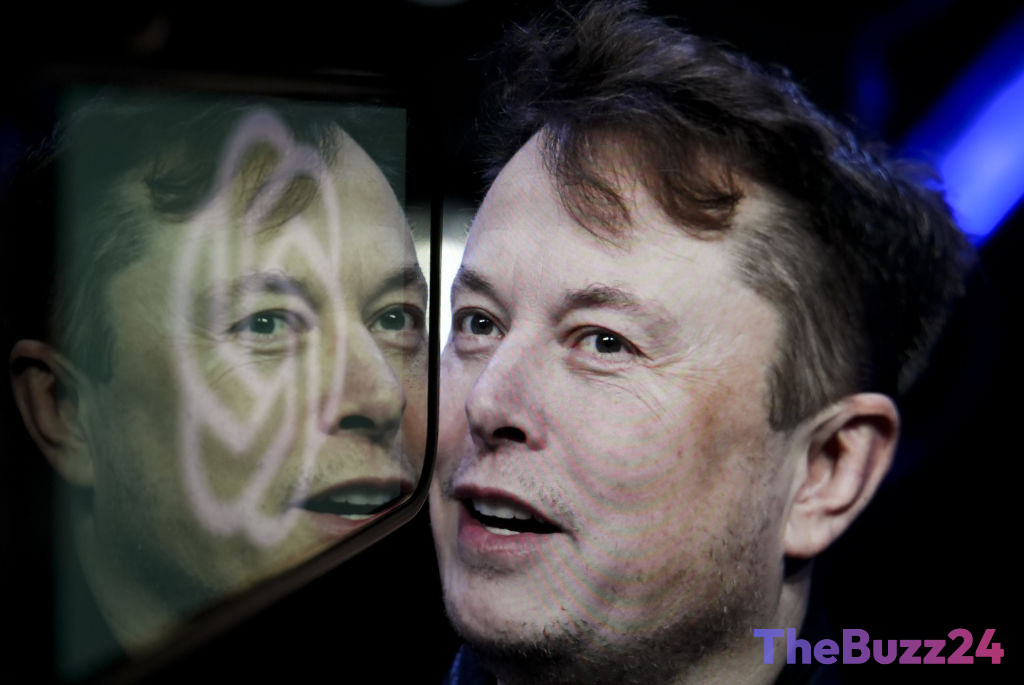
Elon Musk Under Oath: Contradictions Emerge in OpenAI Legal Battle
Elon Musk recently appeared in a California federal court, testifying in his lawsuit against artificial intelligence powerhouse OpenAI. The entrepreneur alleges that OpenAI’s co-founders, including CEO Sam Altman, betrayed the organization’s original non-profit mission, effectively “stealing a charity” by transitioning it into a for-profit entity. Musk, a co-founder of OpenAI, claims he initially backed the venture with the understanding it would develop AI for the benefit of humanity, but grew suspicious of their motives as the company evolved.
During cross-examination, OpenAI’s legal counsel, William Savitt, challenged Musk’s narrative, presenting evidence that Musk himself had explored and supported various initiatives to transition OpenAI towards a for-profit model. This included discussions as early as 2016 and plans in 2017 to create a for-profit arm where Musk would hold majority equity and control. When these plans did not materialize, Musk reportedly ceased regular donations to OpenAI, though he continued to cover its office expenses until 2020. Savitt also questioned Musk about his awareness and apparent lack of objection to subsequent fundraising efforts involving his long-time advisor, Shivon Zillis, who was also an OpenAI board member during some of these transactions.
The testimony also saw Musk directly contradict a recent post on X (formerly Twitter) regarding Tesla’s AI ambitions. While under oath, Musk stated that Tesla is not currently pursuing artificial general intelligence (AGI), clarifying that its AI efforts are solely focused on self-driving technology. This stands in stark contrast to his earlier public claim that “Tesla will be one of the companies to construct AGI.” Furthermore, Musk addressed a discrepancy in his claimed investment in OpenAI, admitting to contributing $38 million rather than the $100 million he had previously stated, arguing his reputation and network compensated for the difference. The proceedings also touched on AI safety, a core tenet of Musk’s lawsuit, with the entrepreneur acknowledging that all AI companies, including his own, face inherent risks in this domain. The trial is set to continue with further testimony from Musk and other key witnesses.
Key Takeaways
- Elon Musk is suing OpenAI, alleging its co-founders "stole a charity" by transitioning from a non-profit to a for-profit model, betraying its original mission.
- Musk contradicted his own public statements under oath, specifically regarding Tesla's pursuit of AGI and the actual amount of his initial investment in OpenAI.
- OpenAI's defense highlighted Musk's prior involvement in discussions to convert the organization to a for-profit entity and his efforts to poach OpenAI employees.
Editor’s Analysis & Impact
This lawsuit highlights the complex and often contentious landscape of AI development, particularly concerning the balance between altruistic goals and commercial viability. Musk’s allegations, coupled with his own shifting narrative under oath, underscore the intense competition and high stakes in the race for advanced AI. The legal battle could set precedents for how foundational AI research organizations are structured and governed, potentially influencing future investment models and ethical considerations. For Tesla, Musk’s courtroom admission about not pursuing AGI directly could impact investor perception regarding its long-term AI strategy, especially given his prior public pronouncements. The case also brings into focus the broader debate on AI safety and the responsibilities of developers.
Frequently Asked Questions
Q: What is Elon Musk's primary claim in his lawsuit against OpenAI?
A: Elon Musk alleges that OpenAI's co-founders, including Sam Altman, deviated from the organization's original non-profit mission to develop AI for humanity, effectively "stealing a charity" by transitioning it into a for-profit entity.
Q: What contradictions did Elon Musk make during his testimony?
A: Under oath, Musk stated that Tesla is not currently pursuing Artificial General Intelligence (AGI), contradicting a recent tweet where he claimed Tesla would be one of the companies to construct AGI. He also clarified his initial investment in OpenAI was $38 million, not the $100 million he previously stated.
Q: How did OpenAI's lawyers counter Musk's claims?
A: OpenAI's legal team presented evidence suggesting Musk had previously supported and explored options for OpenAI to transition to a for-profit model, including plans for him to hold majority equity in a for-profit arm. They also highlighted his efforts to recruit OpenAI employees for Tesla and Neuralink.
AI Disclosure: This article is based on verified data and official reports. Our Team and AI have cross-referenced every financial detail with primary sources to ensure total accuracy.
More from this Category