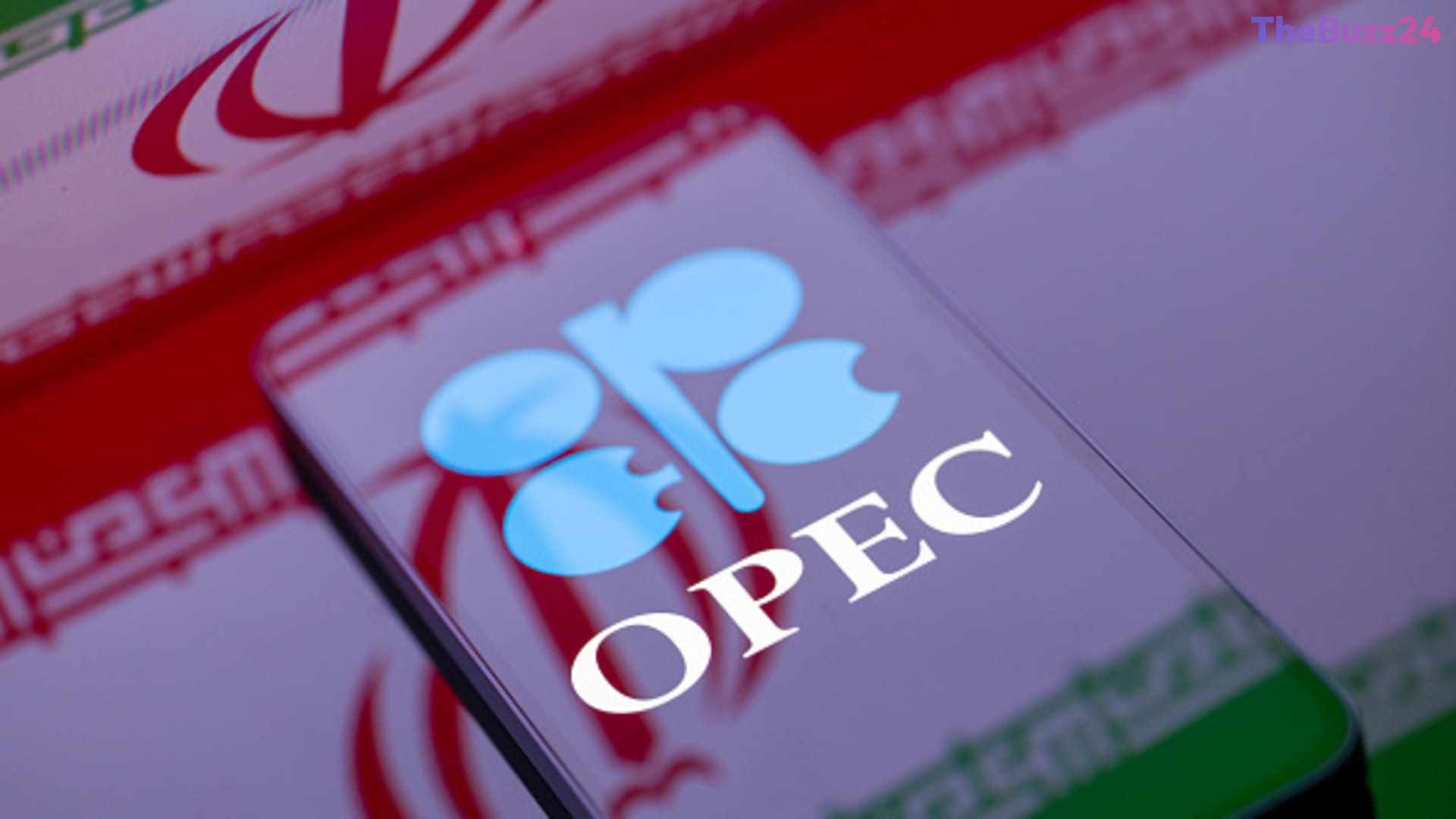
OPEC+ Maintains Production Hike Strategy Amid Ongoing Strait of Hormuz Supply Crisis
OPEC+ has officially approved its fourth consecutive monthly increase in oil output quotas, despite significant logistical challenges stemming from the ongoing conflict between the United States and Iran. The closure of the Strait of Hormuz has severely disrupted global energy flows, leaving several key member nations unable to meet their existing production targets. This supply crisis has been further complicated by the recent departure of the United Arab Emirates from the organization after a nearly six-decade tenure.
Seven core members of the alliance—including Saudi Arabia, Russia, Iraq, Kuwait, Algeria, Kazakhstan, and Oman—have committed to raising their production quotas by 188,000 barrels per day (bpd) starting in July. This adjustment mirrors the June increase and reflects a recalibration following the UAE’s exit. While these quotas are intended to gradually unwind the 1.65 million bpd production cut established in 2023, actual output remains significantly lower than these targets due to the inability of Gulf members to export effectively through the blocked strait.
Market analysts suggest that these policy adjustments remain largely symbolic as long as the Strait of Hormuz remains inaccessible. While oil prices recently dipped to approximately $93 per barrel on easing fears of further escalation, the market remains in a state of high volatility. Should the waterway reopen, experts warn that the industry could rapidly shift from a supply-shortage environment to a surplus, potentially triggering a sharp correction in global energy prices.
Key Takeaways
- OPEC+ continues to increase production quotas by 188,000 bpd for July, despite the ongoing closure of the Strait of Hormuz.
- Actual oil production remains well below targets as regional conflict prevents Gulf nations from exporting at full capacity.
- The alliance aims to fully unwind its 2023 production cuts by the end of September, provided current monthly hikes continue.
Editor’s Analysis & Impact
The current OPEC+ strategy highlights a disconnect between administrative policy and physical market reality. By continuing to raise quotas while the Strait of Hormuz remains closed, the group is attempting to signal long-term stability and a commitment to unwinding previous cuts. However, this creates a ‘paper production’ scenario where targets do not reflect actual barrels reaching the market. The broader implication is a highly fragile energy market; the moment the geopolitical blockade is lifted, the sudden influx of supply could lead to a significant price crash. Investors should monitor the 2027 production capacity assessments currently underway, as these will define the group’s future influence on global oil baselines and long-term price floors.
Frequently Asked Questions
Q: Why are OPEC+ production quotas increasing if the Strait of Hormuz is closed?
A: The quotas are part of a pre-planned, gradual unwinding of production cuts agreed upon in 2023. The group is maintaining this schedule to signal market normalization, even though physical exports are currently hindered by the conflict.
Q: What happens to the oil market if the Strait of Hormuz reopens?
A: Analysts suggest that if the strait reopens, the market could shift rapidly from a fear of supply shortages to a fear of surplus, which would likely cause oil prices to drop significantly.
AI Disclosure: This article is based on verified data and official reports. Our Team and AI have cross-referenced every financial detail with primary sources to ensure total accuracy.
More from this Category