Global Resin Shortage Threatens to Drive Up Electronics Prices This Fall
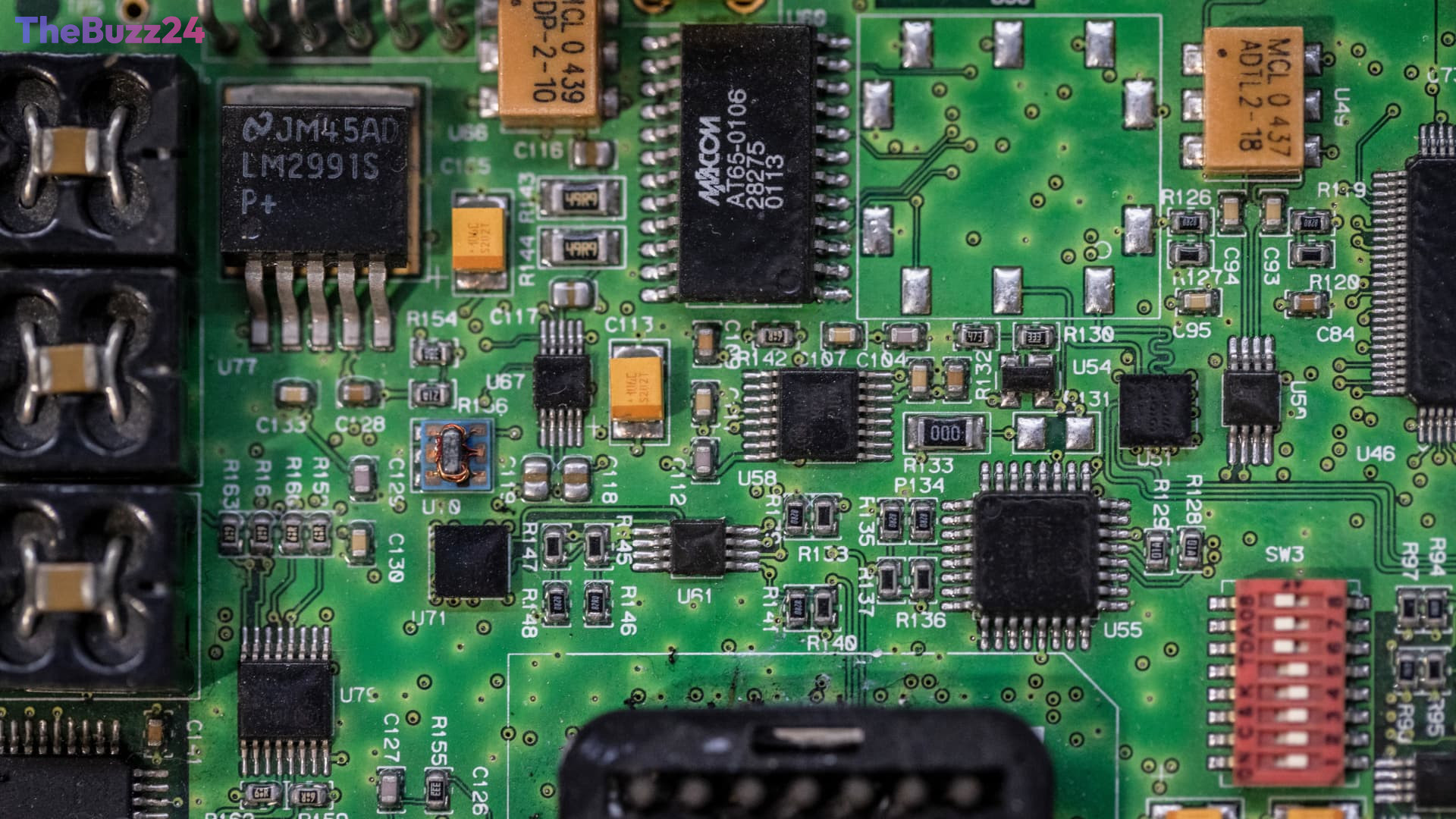
Consumers may soon face higher prices for a wide range of electronic devices as a critical shortage of synthetic resin impacts the global supply chain. Resin, a key component in the manufacturing of printed circuit boards (PCBs) – the essential ‘nervous system’ of modern technology – is in short supply following disruptions at a major petrochemical complex in Saudi Arabia. This scarcity is poised to ripple through the prices of everything from smartphones and laptops to gaming consoles and AI servers.
The primary cause of the current resin deficit stems from an incident at the Jubail petrochemical and industrial complex in Saudi Arabia. The facility, a significant global source of resin, has been offline due to geopolitical tensions and related logistical challenges, including transit issues through the Strait of Hormuz. While repairs are reportedly underway, industry experts, including Dow CEO Jim Fittering, suggest a lengthy restart process, potentially extending over 275 days. This extended downtime means a crucial material for PCB production remains scarce.
With limited alternatives and insufficient domestic production in the U.S., the impact on consumer electronics is becoming increasingly apparent. Experts predict that by the fall, consumers should anticipate price increases on popular products. The situation is exacerbated by the fact that PCB manufacturing is heavily concentrated, with China leading production and the U.S. manufacturing only a small fraction. This reliance on a few key global sources makes the supply chain particularly vulnerable to such disruptions. While major players like Apple may be better insulated due to their scale and long-term contracts, even they are not immune to the broader material constraints.
The consequences of this resin shortage are already being felt in the industry. PCB prices have seen significant increases, with some reports indicating rises of up to 40% in a single month. Manufacturers are beginning to pass these costs on, with some companies increasing their prices by 5% to 25%. While consumers might not see a direct ‘resin surcharge,’ they are likely to experience higher prices, reduced discounts, and potentially longer wait times for new devices. Lower-margin products like PCs, accessories, and mid-range smartphones may be the first to show the full brunt of these price hikes.
Key Takeaways
- A significant global resin shortage, caused by disruptions at a Saudi Arabian petrochemical complex, is impacting the production of printed circuit boards (PCBs).
- This shortage is expected to lead to increased prices for various consumer electronics, including smartphones, laptops, and gaming consoles, particularly by the fall.
- Limited alternatives and concentrated global manufacturing of PCBs make the electronics supply chain vulnerable, with potential for longer wait times and fewer discounts on devices.
Editor’s Analysis & Impact
The current resin shortage highlights the fragility of global supply chains, particularly in the technology sector. The reliance on a few key production hubs, coupled with geopolitical instability, creates significant price volatility. While large corporations like Apple may absorb some initial costs, the long-term impact will likely force price adjustments across the board. This situation could accelerate efforts towards supply chain diversification and onshoring of critical manufacturing components, though such shifts are complex and time-consuming. The increased cost of essential electronic components may also dampen consumer demand for premium devices, potentially benefiting lower-cost alternatives if manufacturers can manage their own input costs.
Frequently Asked Questions
Q: What is resin and why is it important for electronics?
A: Resin is a critical component derived from petrochemicals, used in the manufacturing of printed circuit boards (PCBs). PCBs are the foundational 'nervous system' for virtually all modern electronic devices, enabling them to function.
Q: What caused the current resin shortage?
A: The shortage is primarily due to the prolonged shutdown of the Jubail petrochemical and industrial complex in Saudi Arabia, a major global supplier of resin. This shutdown was triggered by geopolitical events and associated logistical challenges, including disruptions to shipping routes like the Strait of Hormuz.
Q: Which electronic devices are most likely to be affected by price increases?
A: A wide range of devices are at risk, including smartphones, laptops, wearables, gaming consoles, routers, and AI servers. Premium and lower-margin devices may see the most immediate price impacts, while even major brands like Apple could face indirect cost pressures.
AI Disclosure: This article is based on verified data and official reports. Our Team and AI have cross-referenced every financial detail with primary sources to ensure total accuracy.
More from this Category