The Great Retreat: Why American Giants Are Losing Their Grip on the Chinese Market
Major American brands are facing an unprecedented uphill battle in China, as a potent mix of shifting geopolitics, fierce domestic competition, and a waning cultural connection erodes what was once considered a goldmine for U.S. corporations. Icon brands spanning retail, food and beverage, and the automotive sector have seen their market share dwindle significantly over recent years, forcing many to completely restructure their operations or scale back ambitions.
Once drawn by a massive population of over 1.4 billion people and rapid growth opportunities, Western companies now find themselves outmaneuvered by agile local competitors. Domestic brands have mastered rapid innovation cycles, effective local distribution, and aggressive pricing strategies that often make traditional American price premiums unappealing to modern shoppers. Furthermore, a growing sense of national pride among Chinese consumers has catalyzed a pivot toward homegrown alternatives, leaving legacy giants struggling to maintain relevance.
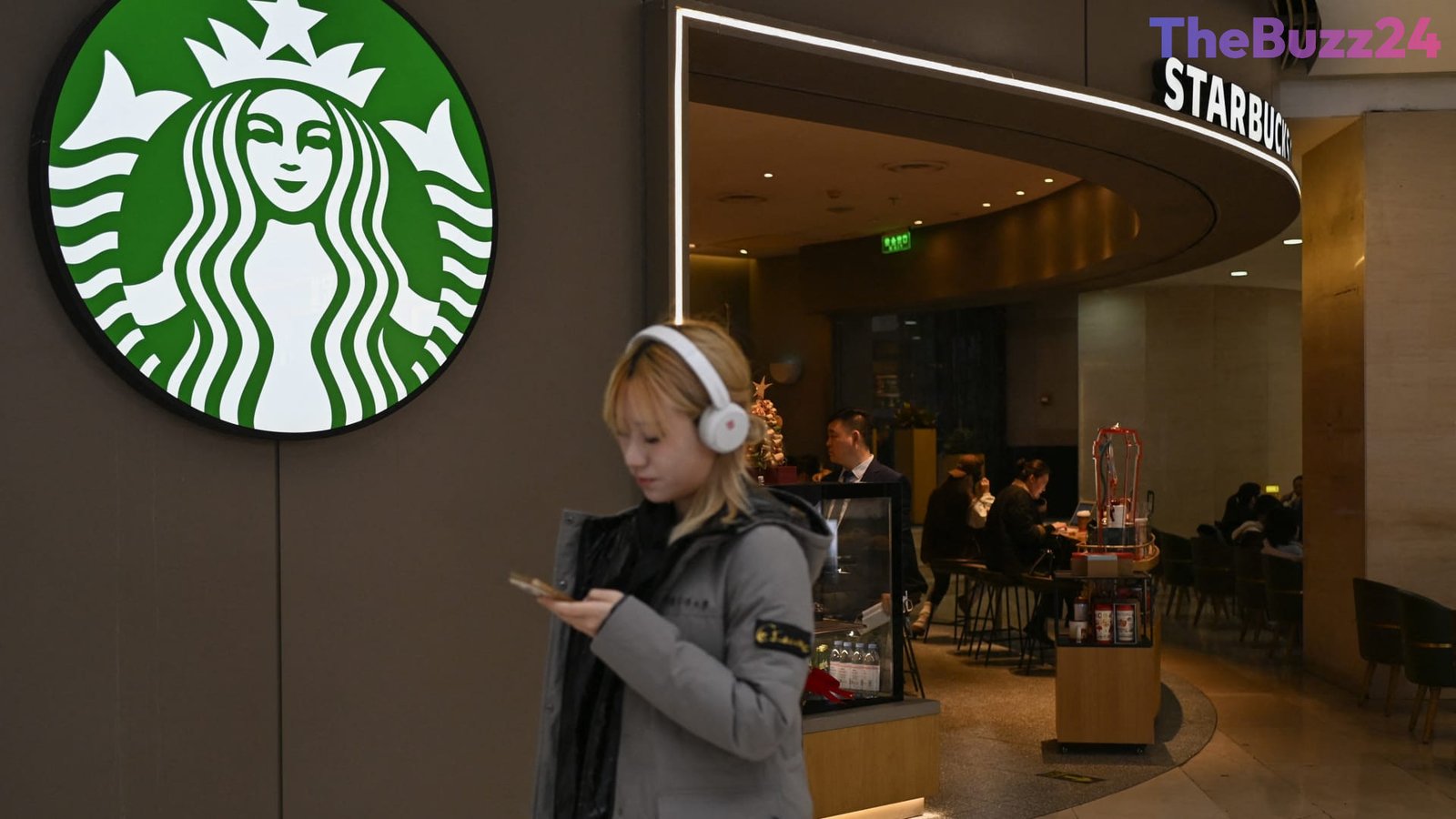
While high-profile casualties like Nike, Starbucks, and General Motors grapple with shrinking revenues and mounting losses, other international players such as Lululemon and Ralph Lauren continue to thrive by focusing on the fundamentals of local relevance and value. Industry analysts emphasize that future success in the region will require foreign entities to abandon rigid global playbooks and instead invest heavily in localized capabilities to meet the distinct demands of the Chinese consumer.
Key Takeaways
- American brands like Nike, Starbucks, and General Motors are experiencing sharp declines in their Chinese market share due to intense domestic competition and changing consumer preferences.
- A surge in national pride has driven Chinese consumers toward local brands that offer faster innovation cycles and better price-to-value ratios.
- Companies succeeding in the region, such as Lululemon and Ralph Lauren, attribute their resilience to localized strategies and strict adherence to retail basics.
Editor’s Analysis & Impact
The diminishing footprint of American legacy brands in China marks a pivotal turning point in global commerce. For decades, Western corporations relied on a standard global playbook, assuming brand equity alone would capture emerging middle classes. However, the rapid maturation of domestic Chinese competitors—fueled by government backing, superior supply chain agility, and an unmatched pace of innovation—has fundamentally altered the landscape. This trend signals a broader decoupling where multinational corporations can no longer treat China as an automatic growth engine. Moving forward, companies must transition from centralized, one-size-fits-all models to deeply localized, autonomous regional operations. Those unable or unwilling to pivot will likely cede complete market dominance to agile domestic rivals, setting a precedent for how foreign businesses must adapt to an increasingly multipolar global economy.
Frequently Asked Questions
Q: Why are American brands losing ground in China?
A: American brands are losing ground due to a combination of rising domestic competition, shifting consumer preferences toward local brands, geopolitical tensions, and a failure to adapt products and pricing to the local market.
Q: Are all U.S. companies failing in China?
A: No. While companies like Nike, Starbucks, and General Motors have seen significant declines, brands such as Lululemon, Ralph Lauren, and Kentucky Fried Chicken continue to grow by focusing on local relevance, strong value propositions, and effective distribution channels.
Q: How are Chinese automakers impacting Western car brands?
A: Local Chinese automakers have disrupted the automotive market through rapid innovation, government backing, and aggressive price wars, heavily undercutting traditional U.S. and foreign automakers and driving a massive restructuring of foreign operations in the region.
AI Disclosure: This article is based on verified data and official reports. Our Team and AI have cross-referenced every financial detail with primary sources to ensure total accuracy.
More from this Category