OpenAI and White House Explore Potential U.S. Government Equity Stake
OpenAI is currently engaged in high-level discussions with the Trump administration regarding a potential government equity stake in the artificial intelligence firm. These negotiations, which have been ongoing for over a year, center on the possibility of the company donating equity to the U.S. government to help establish a national “Public Wealth Fund.” This initiative, first proposed by OpenAI in April, aims to allow American citizens to share in the long-term economic benefits generated by the rapid growth of AI technology.
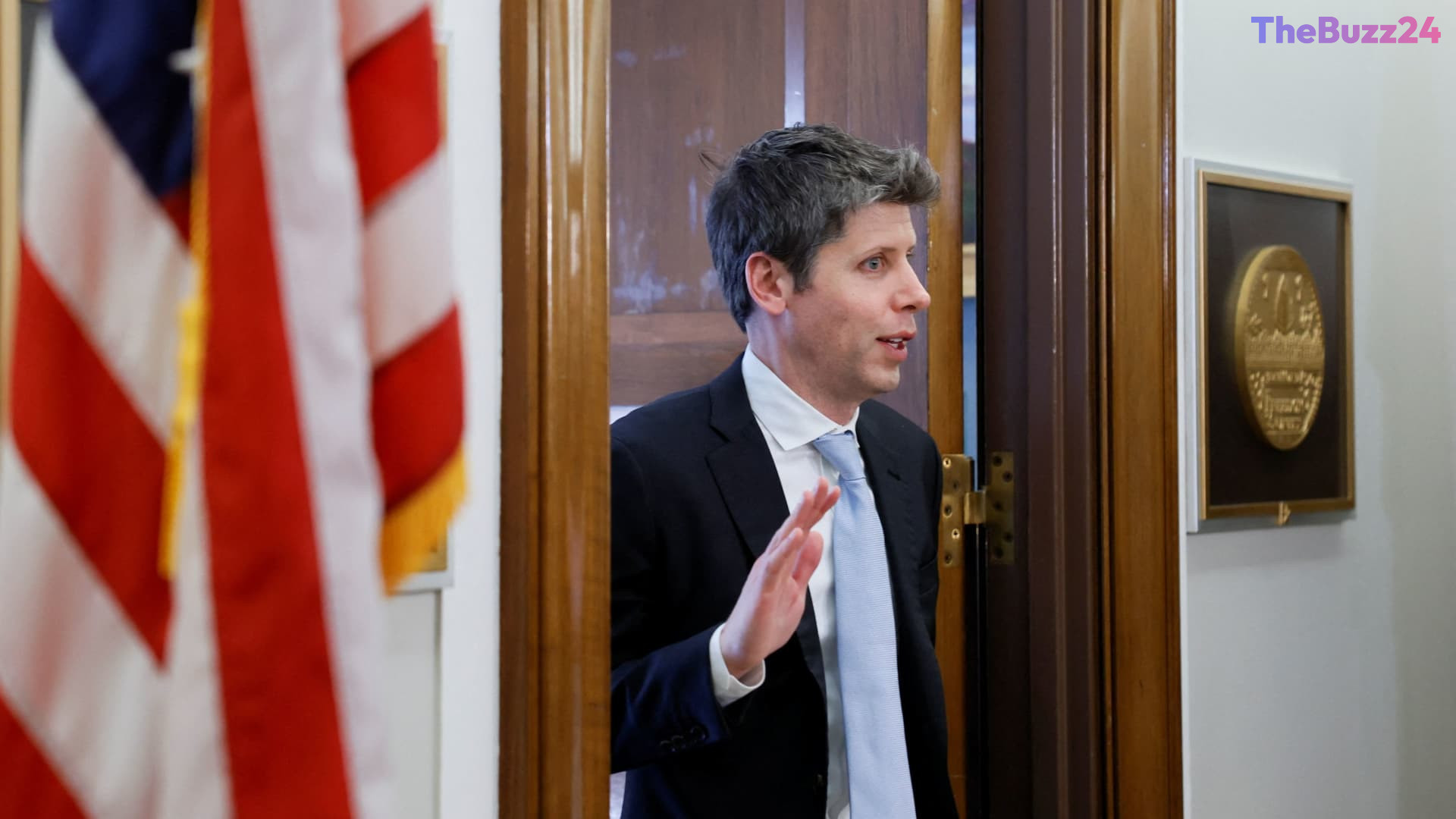
CEO Sam Altman has been actively meeting with lawmakers and administration officials in Washington, D.C., to discuss both regulatory frameworks and the future of the industry. While no formal terms have been finalized, the concept aligns with President Donald Trump’s broader push for sovereign wealth initiatives. The President recently noted that there are viable concepts where the public could effectively become partners in the success of major technology companies, signaling a potential shift in how the government interacts with private sector AI leaders.
This development follows a series of executive actions by the Trump administration aimed at securing American leadership in critical technologies. The government has already taken stakes in companies involved in quantum computing and critical minerals, suggesting a strategic interest in maintaining oversight of essential infrastructure. As OpenAI prepares for a potential initial public offering, the outcome of these talks could set a significant precedent for how private AI entities and the federal government collaborate on national economic and technological policy.
Key Takeaways
- OpenAI and the Trump administration are discussing a potential government equity stake to seed a national "Public Wealth Fund."
- The proposed fund is designed to allow the American public to benefit from the long-term economic growth of the AI sector.
- The discussions are part of a broader administration strategy to secure stakes in critical technology sectors, including quantum computing and minerals.
Editor’s Analysis & Impact
The potential for a government equity stake in OpenAI represents a paradigm shift in the relationship between Silicon Valley and Washington. By integrating a private AI giant into a sovereign wealth model, the administration is attempting to socialize the benefits of a technology that is increasingly viewed as critical national infrastructure. If successful, this could create a blueprint for future public-private partnerships, though it raises significant questions regarding corporate governance, potential conflicts of interest, and the independence of AI research. From a market perspective, this move signals that the government intends to be an active participant rather than just a regulator in the AI boom. Investors will likely watch closely to see how this impacts OpenAI’s valuation and its upcoming IPO, as government involvement could provide both a layer of stability and a layer of political complexity.
Frequently Asked Questions
Q: What is the purpose of the proposed 'Public Wealth Fund'?
A: The fund is intended to invest in long-term assets, allowing the American public to participate in the economic upside and growth of the AI industry.
Q: Has a final agreement been reached between OpenAI and the government?
A: No, discussions are ongoing and no official investment terms or final agreements have been decided at this time.
AI Disclosure: This article is based on verified data and official reports. Our Team and AI have cross-referenced every financial detail with primary sources to ensure total accuracy.
More from this Category