Altman Counters Musk’s ‘Charity Theft’ Claim, Cites Founding Disagreements in OpenAI Lawsuit
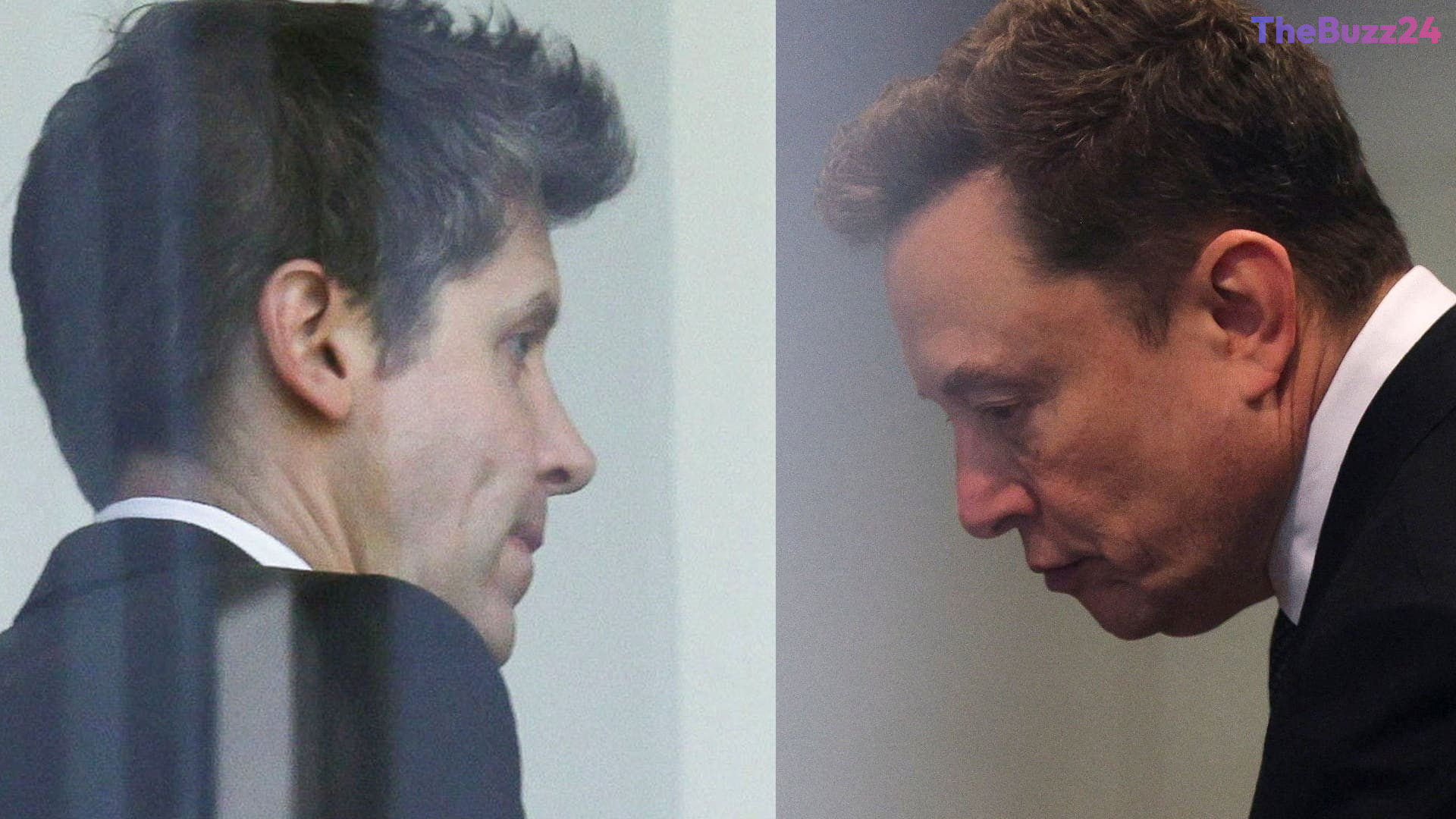
Sam Altman, the chief executive of OpenAI, has presented his account in a legal dispute initiated by co-founder Elon Musk, who alleges the company was transformed from a nonprofit into a profit-driven entity through a “charity theft.” Altman, during his testimony, countered this narrative by stating that Musk effectively withdrew his support and engagement from the artificial intelligence venture, leaving it in a vulnerable position.
Altman’s testimony, delivered over four hours in a federal court in Oakland, California, delved into the early challenges faced by OpenAI, which he co-founded with Musk in 2015. He described a period of significant uncertainty for the company, particularly after Musk’s departure from the board in February 2018. According to Altman, Musk’s exit was precipitated by disagreements in 2017 and 2018 concerning the substantial computational resources required for AI development and the necessity of establishing a more robust corporate framework, which included exploring for-profit structures. Following his departure, Musk reportedly expressed considerable doubt about OpenAI’s future success, even suggesting in a December email that the company had a negligible chance of survival without immediate, massive funding.
During his testimony, Altman refuted the idea that he made specific promises to Musk about OpenAI’s future corporate structure. He pushed back against the accusation that the creation of a for-profit subsidiary, now estimated to be worth over $850 billion by private investors, represented an unauthorized departure from the original mission. Altman suggested that Musk’s primary motivation was control, highlighting Musk’s desire for complete authority over OpenAI and his proposal to integrate it with Tesla. Altman rejected this merger, citing a fundamental conflict between Tesla’s automotive manufacturing and OpenAI’s AI research objectives, and expressing concern that the nonprofit’s core mission would be compromised.
Under rigorous cross-examination by Musk’s attorney, Steven Molo, Altman was pressed on his credibility. Molo referenced past concerns voiced by individuals like Dario Amodei, a former OpenAI executive and now CEO of rival firm Anthropic, and brought up the circumstances surrounding Altman’s temporary removal from OpenAI’s board in 2023, where he faced accusations of not being “consistently candid.” Altman described his 2023 ouster as a complete surprise but noted his subsequent return to lead the company. The jury in the Oakland trial will provide an advisory verdict, with the final decision resting with Judge Yvonne Gonzalez Rogers.
Key Takeaways
- OpenAI CEO Sam Altman testified in a lawsuit filed by co-founder Elon Musk, who claims OpenAI was improperly shifted from a nonprofit.
- Altman stated that Musk effectively abandoned the company and that disagreements over resources and corporate structure led to his departure.
- The testimony addressed Musk's alleged desire for control and a proposed merger with Tesla, which Altman rejected due to conflicts of interest.
Editor’s Analysis & Impact
This legal battle highlights the complex and often contentious evolution of high-profile tech ventures. Altman’s testimony aims to solidify OpenAI’s current structure and trajectory, countering Musk’s narrative of a mission betrayal. The case could set precedents for the governance and operational shifts of AI companies, particularly those with hybrid nonprofit/for-profit origins. The valuation of OpenAI underscores the immense economic stakes involved, making the outcome significant not just for the involved parties but for the broader AI industry’s future development and investment landscape.
Frequently Asked Questions
Q: What is the core accusation made by Elon Musk against OpenAI?
A: Elon Musk alleges that Sam Altman and other OpenAI co-founders "stole a charity" by transitioning OpenAI from its original nonprofit mission to a structure that includes a highly valued for-profit subsidiary.
Q: What was Sam Altman's defense during his testimony?
A: Altman testified that Elon Musk effectively abandoned OpenAI, citing disagreements over the need for substantial computing resources and a viable corporate structure, including for-profit options. He also stated Musk's primary concern was control and that he rejected a proposed merger with Tesla due to conflicts of interest.
Q: What is the significance of the jury's verdict in this case?
A: The jury in the Oakland trial will deliver an advisory verdict. The final judgment will be made by Judge Yvonne Gonzalez Rogers, meaning the jury's decision will guide but not dictate the final legal outcome.
AI Disclosure: This article is based on verified data and official reports. Our Team and AI have cross-referenced every financial detail with primary sources to ensure total accuracy.
More from this Category