OpenAI Signals Hardware Ambitions with $300 Million Acquisition of Camera Tech Pioneer Glass Imaging
Artificial intelligence giant OpenAI has finalized a deal to acquire Glass Imaging, a California-based startup specializing in AI-driven smartphone camera technology, for an estimated $300 million. Founded in 2019 and headquartered in Los Altos, Glass Imaging had previously secured approximately $30 million in venture funding. This strategic acquisition underscores OpenAI’s growing interest in integrating advanced physical imaging capabilities into its expanding ecosystem.
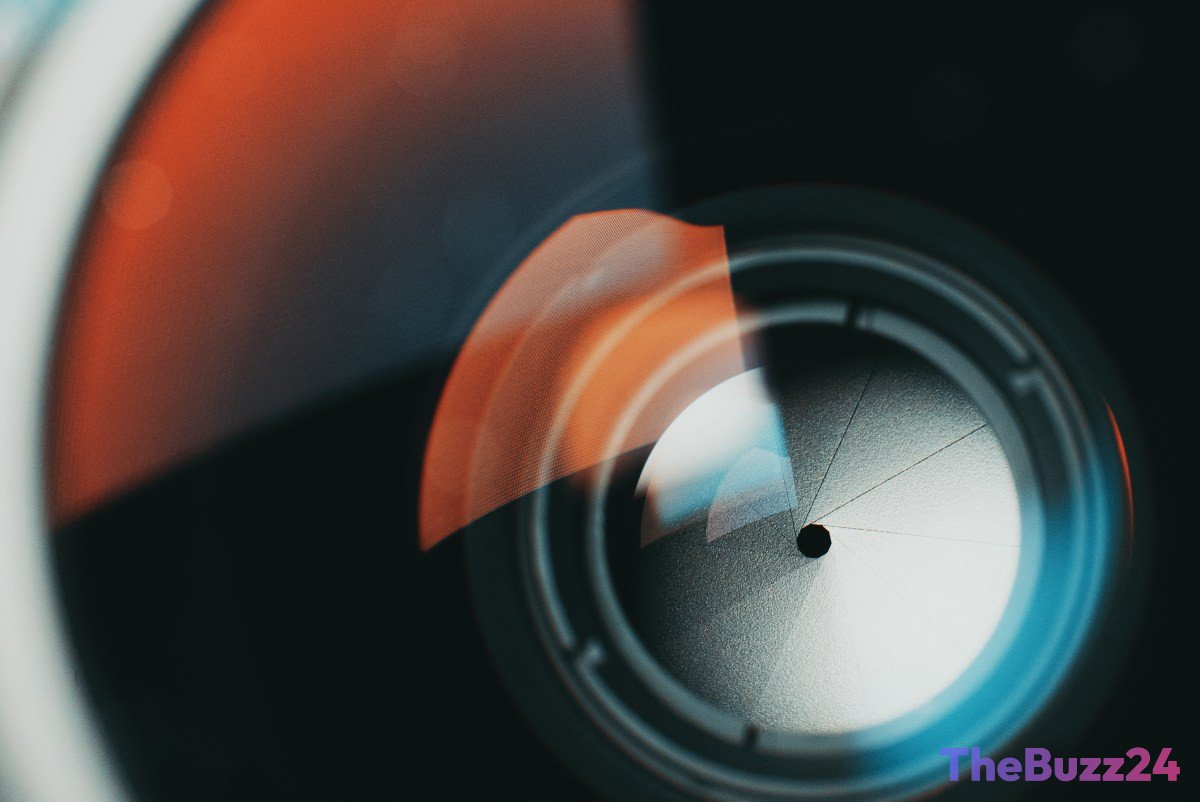
Glass Imaging was co-founded by Ziv Attar and Tom Bishop, two former Apple engineers renowned for leading the development of Apple’s signature Portrait Mode. Unlike traditional photo-editing software that applies AI enhancements after a picture is taken, Glass Imaging’s technology leverages neural networks to understand the physical limitations of specific camera hardware. By processing data directly from the sensor at the moment of capture, their system overcomes the physical size constraints of compact smartphone lenses to produce significantly clearer, high-quality images.
The acquisition fuels ongoing speculation that OpenAI is actively developing its own consumer hardware, which could include smartphones, earbuds, or dedicated AI companion devices. This move aligns with OpenAI’s broader hardware strategy; in 2025, OpenAI CEO Sam Altman and legendary Apple designer Jony Ive announced their collaboration on a hardware startup named “io,” following OpenAI’s massive $6.5 billion acquisition of Ive’s design firm. Integrating Glass Imaging’s cutting-edge optical technology could give OpenAI’s future physical devices a major competitive edge in the hardware market.
Key Takeaways
- OpenAI has acquired Glass Imaging, a startup specializing in AI-powered camera technology, in a deal valued at over $300 million.
- Glass Imaging, founded by former Apple engineers who created Portrait Mode, uses neural networks to optimize image quality directly from camera sensors.
- The acquisition strongly hints at OpenAI's plans to develop proprietary consumer hardware, building on its previous collaborations with designer Jony Ive.
Editor’s Analysis & Impact
OpenAI’s acquisition of Glass Imaging represents a pivotal shift from pure software and cloud-based AI models toward integrated hardware solutions. By bringing in-house the expertise of former Apple engineers who pioneered Portrait Mode, OpenAI is positioning itself to challenge established smartphone giants. The true value of Glass Imaging lies in its edge-AI approach, which optimizes image capture at the hardware level rather than relying on post-processing. As OpenAI continues its collaboration with Jony Ive through the ‘io’ startup, this acquisition suggests that any forthcoming OpenAI-branded device will place a heavy emphasis on revolutionary, AI-native optical capabilities. This move could disrupt the mobile industry, forcing traditional manufacturers to accelerate their own on-device AI integrations to remain competitive.
Frequently Asked Questions
Q: What makes Glass Imaging's technology unique?
A: Unlike standard AI photo editors that modify images after they are taken, Glass Imaging uses neural networks to analyze and optimize the physical camera hardware in real-time, overcoming the size limitations of smartphone lenses at the moment of capture.
Q: Who founded Glass Imaging?
A: The company was founded in 2019 by Ziv Attar and Tom Bishop, former Apple engineers who previously led the development of Apple's popular Portrait Mode feature.
Q: What does this acquisition mean for OpenAI's future products?
A: The acquisition strongly suggests OpenAI is developing its own consumer hardware, such as smartphones or AI companion devices, leveraging Glass Imaging's technology to deliver advanced, built-in camera capabilities.
AI Disclosure: This article is based on verified data and official reports. Our Team and AI have cross-referenced every financial detail with primary sources to ensure total accuracy.
More from this Category