Musk’s OpenAI Lawsuit Intensifies: Testimony Concludes Amidst Scrutiny of Mission and Finances
The high-stakes legal battle between Elon Musk and OpenAI continued into its fourth day in federal court in Oakland, California, as Musk concluded his testimony and his legal team called a key financial witness. The lawsuit, filed by Musk in 2024, alleges that OpenAI CEO Sam Altman and President Greg Brockman reneged on foundational commitments to maintain the artificial intelligence firm as a non-profit entity dedicated to its charitable mission. Musk claims his initial $38 million in donations, intended to seed the company he co-founded, were subsequently diverted for unauthorized commercial purposes.
During his approximately two-hour testimony, Musk was cross-examined by OpenAI’s attorney, William Savitt, on various aspects, including Microsoft’s investments in OpenAI and Musk’s awareness of the non-profit’s recent initiatives. Musk stated he was largely unaware of current happenings at OpenAI. He also addressed his competing AI venture, xAI, confirming that it “partly” utilized some of OpenAI’s models for training, a process known as distilling, and suggested xAI leveraged OpenAI’s software in its development. When questioned about the for-profit nature of his other companies like Tesla, SpaceX, X, and Neuralink, Musk asserted they were all “socially beneficial,” despite lacking the gains caps he initially envisioned for OpenAI. He also clarified that Tesla has no plans to develop artificial general intelligence (AGI).
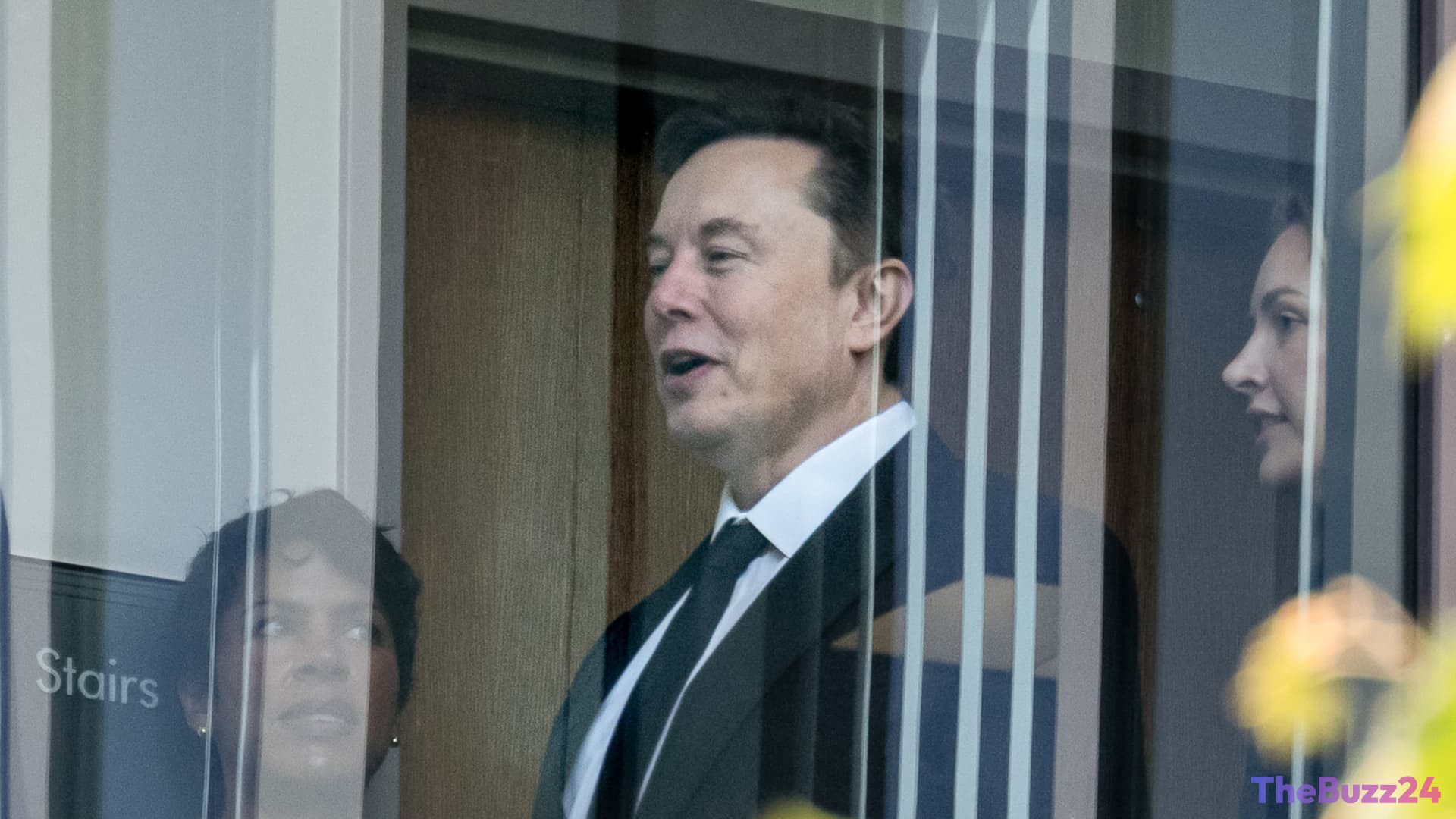
Following Musk’s testimony, Jared Birchall, who manages Musk’s family office, took the stand. Birchall provided details on Musk’s specific donations to OpenAI and his understanding of a multi-billion-dollar bid by a Musk-led group to acquire OpenAI last year, which he testified was aimed at establishing an industry value for the company’s assets. His testimony also touched upon donor-advised funds (DAFs) and potential restrictions on Musk’s contributions. Judge Yvonne Gonzalez Rogers, overseeing the proceedings, heard arguments regarding a motion to strike some of Birchall’s testimony concerning xAI’s acquisition bid, noting she would rule on the matter later. The judge also intervened multiple times to maintain the trial’s focus, explicitly stating that the proceedings were about a potential breach of charitable trust, not the broader existential risks of artificial intelligence, despite arguments from Musk’s legal counsel.
The trial is set to resume, with the core dispute revolving around OpenAI’s structural evolution from a non-profit to a hybrid model with a significant for-profit arm. Musk maintains that this shift fundamentally betrayed the company’s original ethos and the intentions behind his initial financial support, transforming what he believed was a charity into an $800 billion commercial enterprise.
Key Takeaways
- Elon Musk concluded his testimony in the lawsuit against OpenAI, reiterating claims that the company deviated from its original non-profit mission.
- Jared Birchall, manager of Musk's family office, testified regarding Musk's donations to OpenAI and xAI's past interest in acquiring the AI firm.
- The court proceedings saw intense cross-examinations and judicial interventions, with the judge emphasizing the trial's focus on breach of charitable trust rather than broader AI safety risks.
Editor’s Analysis & Impact
This trial carries significant implications for the artificial intelligence industry, particularly concerning the governance and ethical frameworks of rapidly evolving AI companies. A ruling in favor of Musk could set a precedent for how non-profit origins and donor intentions are legally interpreted in the context of commercialization, potentially impacting other AI startups with similar hybrid structures. Conversely, a ruling against Musk might reinforce the flexibility of such models, allowing companies like OpenAI to adapt their structures for growth and investment. The case also highlights the tension between open-source AI development and proprietary commercialization, a debate central to the industry’s future direction. The outcome could influence investor confidence and the strategic decisions of AI leaders regarding transparency, mission adherence, and corporate structure.
Frequently Asked Questions
Q: What is the core of Elon Musk's lawsuit against OpenAI?
A: Musk alleges that OpenAI, which he co-founded, deviated from its original non-profit, open-source mission to become a for-profit entity, thereby breaching a charitable trust and misusing his initial donations.
Q: Who is Jared Birchall and what was his role in the testimony?
A: Jared Birchall is the managing director of Elon Musk's family office. He testified as a witness for Musk, providing details about Musk's specific donations to OpenAI and his understanding of xAI's past interest in acquiring OpenAI.
Q: What was the judge's stance on discussing AI safety risks during the trial?
A: Judge Yvonne Gonzalez Rogers explicitly stated that the trial's focus is on whether there was a breach of charitable trust, not on the broader safety risks of artificial intelligence, despite arguments from Musk's legal team.
AI Disclosure: This article is based on verified data and official reports. Our Team and AI have cross-referenced every financial detail with primary sources to ensure total accuracy.
More from this Category