Elon Musk vs. OpenAI: Jury Weighs Fate of AI Giant in Landmark Lawsuit
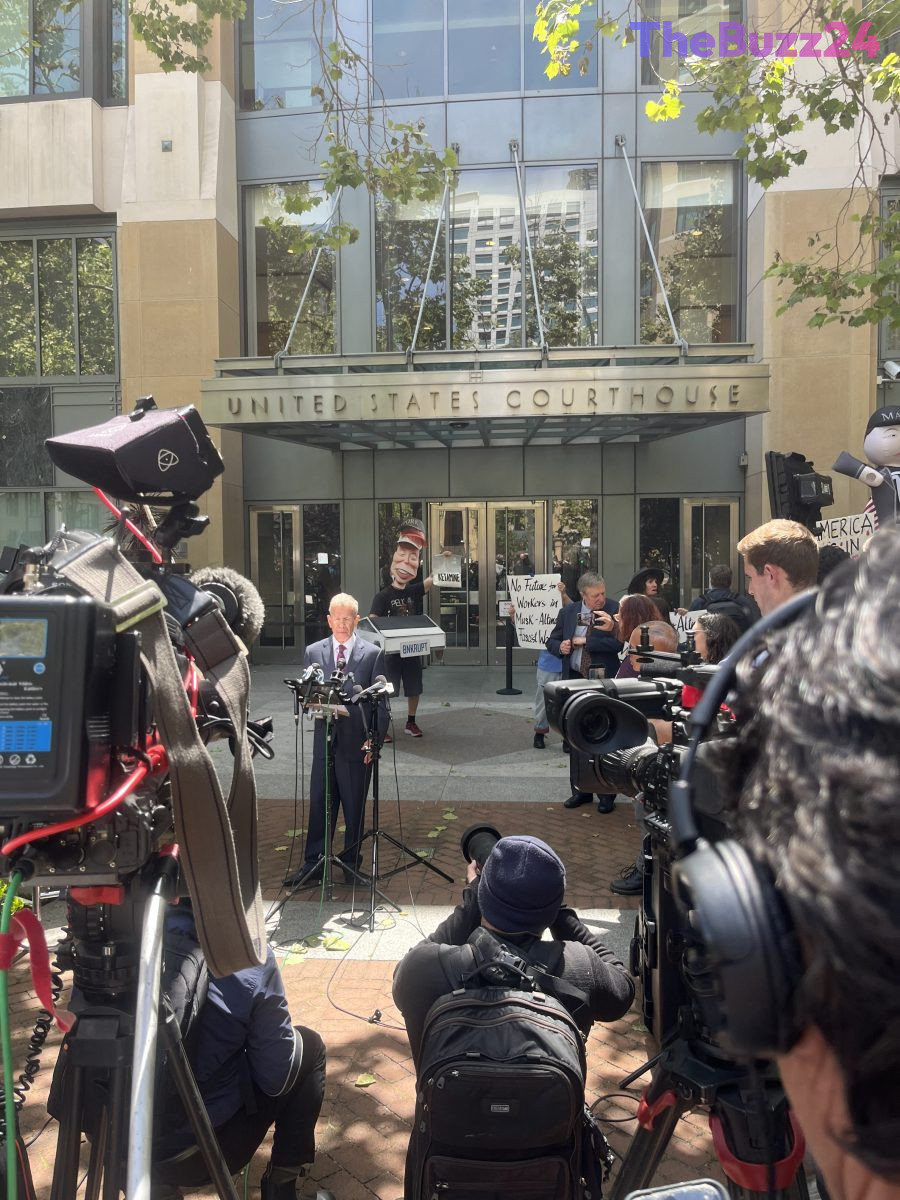
A pivotal legal battle between tech mogul Elon Musk and artificial intelligence leader OpenAI has reached a critical stage, with a jury now deliberating key questions that could significantly impact the future of the AI research organization. At the heart of Musk’s legal challenge is the accusation that OpenAI, alongside its co-founders Sam Altman and Greg Brockman, has strayed from its original non-profit mission, thereby violating a foundational agreement with Musk, an early financial backer.
The lawsuit centers on claims of “breach of charitable trust” and “unjust enrichment.” Musk’s legal team asserts that his substantial contributions were made with the understanding that OpenAI would remain a non-profit entity dedicated to ensuring artificial intelligence benefits all of humanity and preventing its monopolization by any single entity. A major point of contention is Microsoft’s substantial $10 billion investment in OpenAI’s for-profit arm in 2023. Musk’s legal representatives argue this investment led to the enrichment of investors through commercial ventures, undermining the original mission focused on AI safety and public good.
OpenAI has presented a vigorous defense, raising several procedural and substantive counterarguments. The company contends that Musk’s claims are time-barred by the “statute of limitations” and suffer from “unreasonable delay,” given the lawsuit was filed in 2024 concerning events that transpired years prior. Furthermore, OpenAI invokes the “unclean hands” doctrine, suggesting Musk’s own actions, including alleged plans for competing AI projects and attempts to merge OpenAI with Tesla, disqualify him from seeking legal recourse. The defense also points to testimony from Musk’s former advisors who could not confirm specific donation restrictions and argues that all his contributions were accounted for by 2020, predating the lawsuit and any equity distributions to founders after his 2018 departure.
Regarding the “aiding and abetting” allegations against Microsoft, company witnesses have testified to conducting thorough due diligence that did not reveal any specific conditions attached to Musk’s donations. They deny any knowledge of such stipulations or involvement in OpenAI’s decision-making processes. Microsoft emphasizes that its investments and technological resources have been crucial to OpenAI’s advancements. The jury’s verdict is expected to have far-reaching consequences, potentially necessitating a significant restructuring of OpenAI, though the precise implications of a ruling in Musk’s favor remain a subject of ongoing legal discussion.
Key Takeaways
- Elon Musk is suing OpenAI, alleging it breached its original non-profit mission and enriched itself and partners.
- OpenAI counters that Musk's claims are time-barred and that his own conduct undermines his case, while asserting its mission continues.
- The jury's decision could force a restructuring of OpenAI and set precedents for AI development and non-profit governance.
Editor’s Analysis & Impact
This lawsuit represents a critical inflection point for OpenAI, a company at the forefront of AI development. The jury’s deliberation will not only determine the fate of OpenAI’s current structure but could also set a significant precedent for the governance of AI organizations, particularly those transitioning from non-profit origins to commercial ventures. A ruling in Musk’s favor could trigger a major overhaul, potentially impacting investment strategies and the balance between profit motives and ethical AI development. Conversely, a win for OpenAI could solidify its current operational model and reassure investors about the viability of its hybrid structure. The outcome will undoubtedly be closely watched by the tech industry, policymakers, and the public alike, influencing the future trajectory of AI innovation and its societal integration.
Frequently Asked Questions
Q: What is the core of Elon Musk's lawsuit against OpenAI?
A: Elon Musk alleges that OpenAI has deviated from its original non-profit mission, which he helped establish, and has instead focused on commercialization and enriching its partners, thereby breaching a foundational agreement.
Q: What are OpenAI's main defenses against the lawsuit?
A: OpenAI argues that Musk's claims are legally invalid due to the statute of limitations and his own past actions ('unclean hands'). They also maintain that their for-profit activities still align with their mission and that the non-profit board retains control.
Q: What are the potential implications of the jury's decision?
A: A verdict favoring Musk could force OpenAI to restructure its operations, potentially impacting its business model, partnerships, and future development. A ruling for OpenAI would likely allow it to continue its current trajectory.
AI Disclosure: This article is based on verified data and official reports. Our Team and AI have cross-referenced every financial detail with primary sources to ensure total accuracy.
More from this Category