Pebble Time 2: The Indie Smartwatch Defying Trends with Unique Charm and Community Spirit
The Pebble Time 2, priced at $225, offers a refreshing departure from conventional smartwatches, embracing a casual, fun, and playful identity rather than striving to be a miniature computer on the wrist. This refreshed version of the indie smartwatch, rebooted by its original founder, Eric Migicovsky, stands out with its quirky watch faces, simple apps, and games, exuding a distinct ‘hacker energy.’ Its physical buttons, always-on color e-paper screen, and remarkably long battery life contribute to its appealing retro aesthetic.
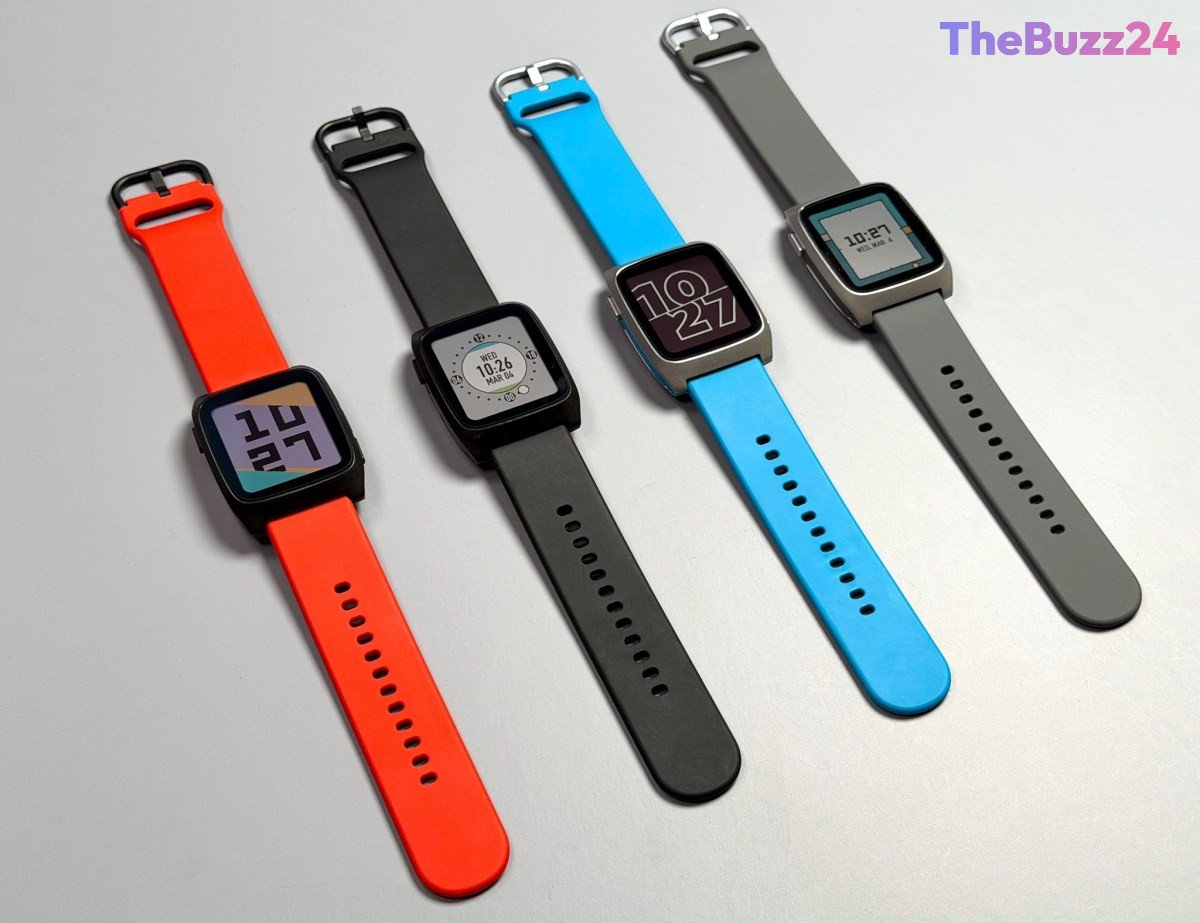
Visually, the Pebble Time 2 intentionally diverges from devices like the Apple Watch. While competitors often feature OLED touchscreens and a range of luxurious materials, the Pebble opts for a 64-color e-paper display that is easily visible in bright sunlight and can be backlit with a flick of the wrist. It comes with a silicone watch band and is available in blue, red, silver, or black, wrapped around a stainless steel frame. This design choice is not merely aesthetic; the e-paper screen is a key factor in its exceptional battery performance, allowing the device to last approximately 21 days on a single charge, a significant advantage over many modern smartwatches.
The true heart of the Pebble Time 2 lies in its software and, more importantly, its vibrant community. The brand’s journey saw it transition from a Kickstarter success to an acquisition by Fitbit, and after Fitbit ceased support, the dedicated user community stepped in to keep the ecosystem alive. In 2025, Migicovsky, through his new company Core Devices, successfully convinced Google to open-source the original Pebble operating system, paving the way for new devices. This community-driven spirit has resulted in over 2,120 watch faces and a diverse array of apps—from health trackers and Spotify controls to retro games and AI chatbots—many created by individual users to fulfill specific, often niche, needs.
Beyond its unique community offerings, the Pebble Time 2 provides essential smartwatch functionalities. It mirrors phone notifications, allows music control, sets alarms, and offers basic fitness tracking for steps, sleep, and heart rate. The intuitive four-button interface and the ‘timeline’ feature, which provides an at-a-glance view of upcoming events and reminders, enhance usability. While the watch boasts 30m/3 ATM water resistance for everyday exposure, it’s not suitable for swimming. A notable limitation, particularly for iOS users, is restricted compatibility due to Apple’s platform rules, preventing actions like responding to texts directly from the watch. However, some users find this ‘less connected’ aspect a benefit, allowing them to stay informed without feeling compelled to constantly engage. Core Devices continues to release firmware updates and plans to add new features, demonstrating ongoing commitment to the platform’s evolution.
Key Takeaways
- The Pebble Time 2 offers a distinct, retro-inspired smartwatch experience with physical buttons, an e-paper screen, and exceptional battery life (up to 21 days).
- The device's revival and extensive app ecosystem are largely driven by a dedicated user community, fostering a unique 'hacker' culture with thousands of customizable watch faces and niche applications.
- While offering core smartwatch functionalities and a unique 'less connected' appeal, its iOS compatibility is limited due to Apple's platform restrictions.
Editor’s Analysis & Impact
The resurgence of the Pebble Time 2, spearheaded by Core Devices and its founder Eric Migicovsky, presents a compelling counter-narrative in the competitive smartwatch market. It demonstrates a viable demand for devices that prioritize simplicity, longevity, and community-driven innovation over the high-end, feature-packed approach of dominant players. This success could inspire other niche manufacturers to explore alternative wearable strategies, focusing on specific user experiences rather than an all-encompassing feature set. The open-source foundation and active developer community suggest a sustainable model for ongoing development and app creation, fostering a unique ecosystem. Furthermore, Pebble’s comeback highlights the power of brand loyalty and collaborative efforts in sustaining products, underscoring a growing consumer desire for technology that offers functionality without demanding constant digital engagement.
Frequently Asked Questions
Q: What makes the Pebble Time 2 different from smartwatches like the Apple Watch?
A: The Pebble Time 2 distinguishes itself with a color e-paper screen, physical buttons, a focus on simplicity, and an impressive battery life of up to 21 days. Unlike the Apple Watch's premium, high-tech approach, Pebble embraces a retro, community-driven, and 'toy-like' aesthetic.
Q: How did the Pebble brand make a comeback?
A: After its initial company shutdown and acquisition by Fitbit, the Pebble community kept the product alive. In 2025, founder Eric Migicovsky, with support from Google (which open-sourced the original Pebble OS), launched Core Devices to produce new Pebble watches, including the Time 2.
Q: What kind of apps and customization options are available for the Pebble Time 2?
A: The Pebble Time 2 boasts over 2,120 community-created watch faces and a wide array of apps, ranging from health and fitness trackers to retro games, utility tools, and even AI-powered chatbots. Its open-source nature allows for extensive personalization and niche applications.
AI Disclosure: This article is based on verified data and official reports. Our Team and AI have cross-referenced every financial detail with primary sources to ensure total accuracy.
More from this Category