The Genetic Frontier: Pharmaceutical Giants Target ‘Untreatable’ Cholesterol
A high-stakes competition is unfolding among major pharmaceutical players, including Novartis, Amgen, and Eli Lilly, as they race to develop a groundbreaking class of heart medication. The focus of this research is lipoprotein(a), or Lp(a), a form of cholesterol determined by genetics that significantly elevates the risk of stroke and heart attack. Unlike standard LDL cholesterol, which is often responsive to lifestyle modifications, Lp(a) levels are largely fixed by an individual’s DNA, leaving patients with limited medical options.
Lp(a) presents a dual threat to cardiovascular health by simultaneously clogging arteries and increasing the likelihood of blood clots. While the medical community has long recognized the dangers of elevated Lp(a), the industry is now reaching a pivotal moment of clinical validation. Novartis is currently spearheading this effort with its Phase 3 Horizon trial for the drug pelacarsen. The results, expected later this year, are considered a critical indicator for the sector, as they will determine if lowering Lp(a) levels directly correlates to a reduction in major cardiovascular events.
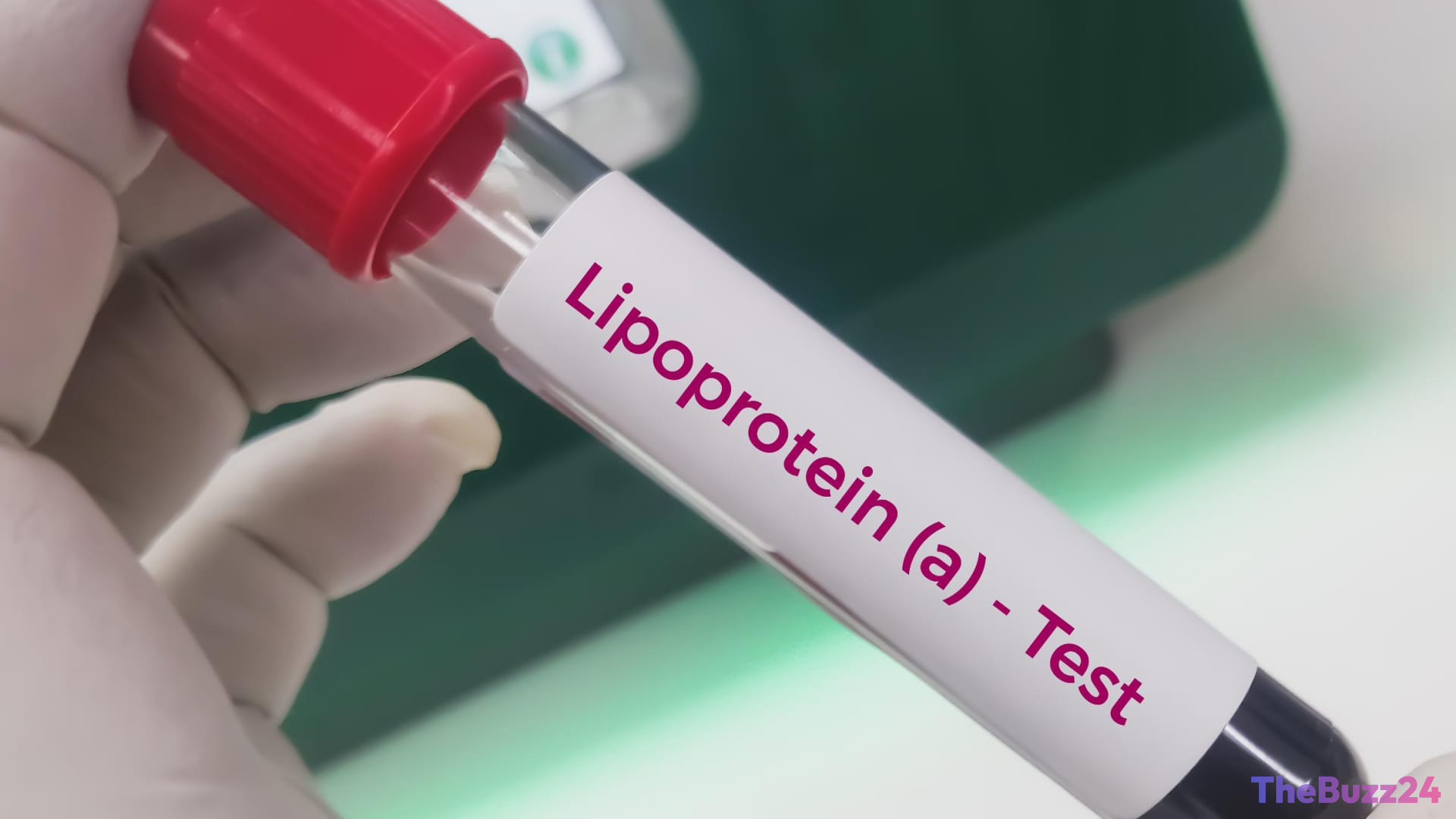
Despite the potential for these medications to become significant market blockbusters, the path to widespread adoption is complicated by low screening rates. Currently, fewer than 1% of U.S. adults are tested for Lp(a), primarily because physicians have historically lacked targeted treatments for those who test positive. However, advocacy groups are now campaigning for standardized testing to be integrated into routine lipid panels. Should the upcoming clinical data prove successful, it could fundamentally alter the landscape of preventative cardiology and unlock a multi-billion dollar market for specialized genetic therapies.
While Novartis is nearing its first major data readout, the competitive landscape remains crowded. Amgen and Eli Lilly are aggressively advancing their own candidates, with some companies exploring innovative delivery methods ranging from daily oral medications to advanced gene-editing technologies. As the medical community awaits definitive results, the primary focus remains on proving clear clinical efficacy. For millions of patients worldwide, these advancements offer the first real hope for managing a previously untreatable genetic risk factor.
Key Takeaways
- Pharmaceutical leaders are developing new drugs to target lipoprotein(a), a genetically determined cholesterol that is currently untreatable through lifestyle changes.
- Novartis is leading the sector with its Phase 3 Horizon trial, which will serve as a critical test for whether lowering Lp(a) effectively reduces cardiovascular events.
- Low screening rates for Lp(a) remain a hurdle, but successful clinical results could lead to widespread adoption of routine testing and a new multi-billion dollar market.
Editor’s Analysis & Impact
The race to address lipoprotein(a) represents a significant shift in cardiovascular medicine from reactive treatment to precision, genetically-targeted prevention. If the upcoming clinical trials demonstrate that lowering Lp(a) reduces heart attacks and strokes, it will likely create a massive new market segment, potentially rivaling the success of statins or PCSK9 inhibitors. However, the industry faces a ‘chicken-and-egg’ challenge: doctors are unlikely to screen for a condition they cannot treat, and pharmaceutical companies need widespread screening to justify the commercial viability of these expensive new therapies. The long-term outlook suggests that if these drugs gain regulatory approval, they will become a standard of care for high-risk patients, forcing a major update to global cardiovascular screening guidelines and creating substantial long-term revenue streams for the successful developers.
Frequently Asked Questions
Q: What is lipoprotein(a) and why is it dangerous?
A: Lipoprotein(a) is a genetically determined form of cholesterol that increases the risk of heart disease by clogging arteries and promoting blood clots.
Q: Why is it difficult to get tested for Lp(a) right now?
A: Testing is currently uncommon because there have historically been no specific medical treatments available to lower Lp(a) levels, making the test results less actionable for physicians.
AI Disclosure: This article is based on verified data and official reports. Our Team and AI have cross-referenced every financial detail with primary sources to ensure total accuracy.
More from this Category