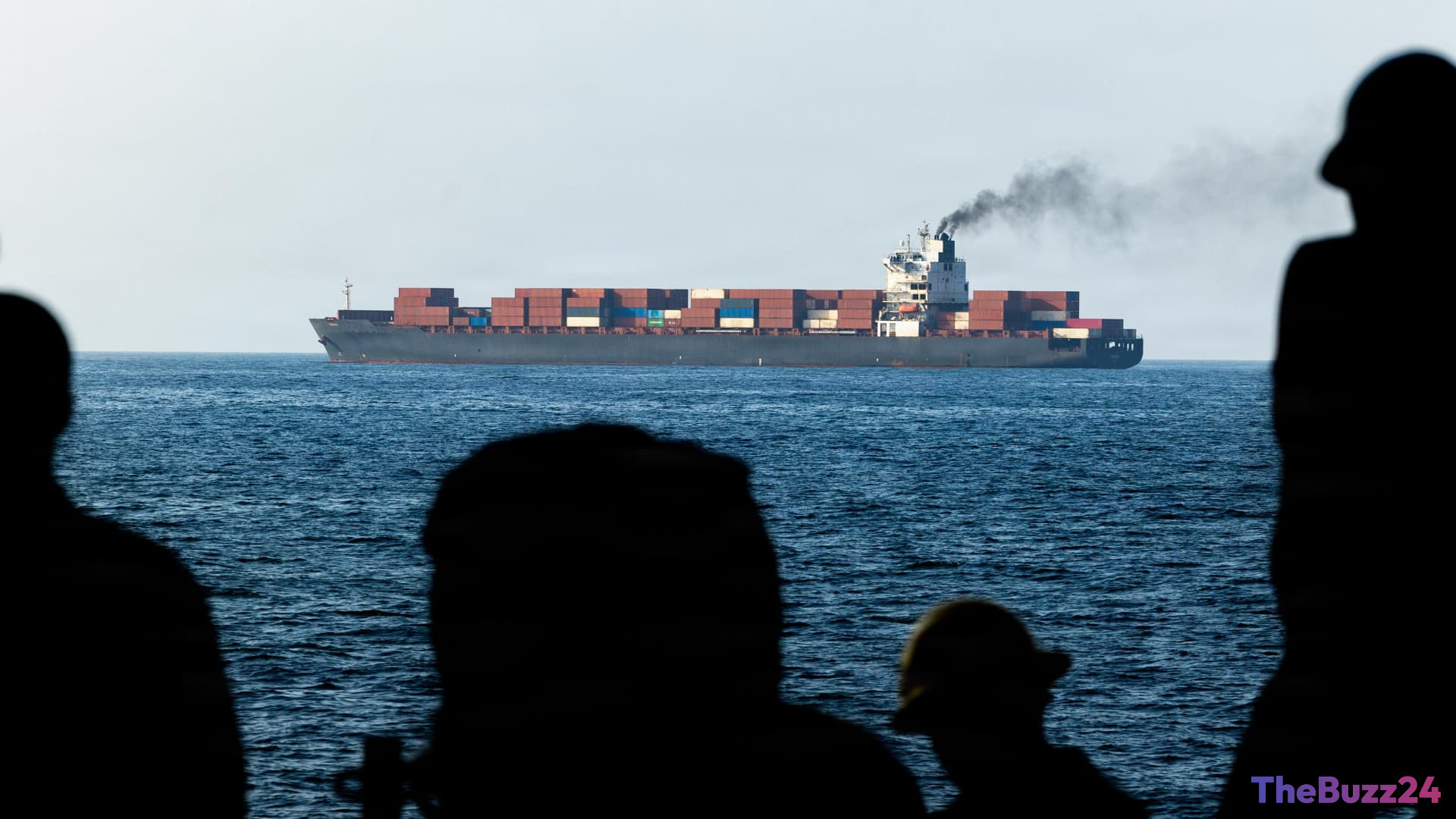
Strait of Hormuz Standoff: White House Weighs New Iranian Proposal
The White House is currently evaluating a fresh proposal from Iran aimed at resolving the ongoing closure of the Strait of Hormuz. Under the terms of the offer, Tehran has signaled a willingness to reopen the vital maritime corridor, provided the United States agrees to lift its current naval blockade and cease active hostilities. Significantly, the proposal requests that discussions regarding Iran’s nuclear program be postponed, a condition that has drawn immediate scrutiny from U.S. officials.
While the administration has confirmed that the proposal is under review, there is palpable skepticism regarding its sincerity and viability. Administration officials have reiterated that established security red lines remain non-negotiable. Secretary of State Marco Rubio has publicly questioned the intent behind the offer, suggesting it may be a strategic maneuver to assert dominance over international shipping lanes rather than a genuine effort to restore free navigation.
The diplomatic situation remains highly unstable, highlighted by the recent cancellation of high-level meetings in Pakistan involving U.S. representatives Jared Kushner and Steve Witkoff. While the administration cited concerns over time efficiency for the cancellation, the move underscores the difficulty of finding common ground. President Trump has since indicated that a revised proposal has been submitted, though specific details remain confidential.
As a critical artery for global energy, the Strait of Hormuz remains the epicenter of the current geopolitical friction. The ongoing closure has already exerted significant pressure on global oil markets, driving up fuel costs and disrupting supply chains. With the U.S. naval blockade continuing to intercept or divert vessels, the standoff remains a primary concern for international stability and global economic health.
Key Takeaways
- Iran has proposed reopening the Strait of Hormuz in exchange for the lifting of U.S. naval blockades and a pause in hostilities.
- The proposal seeks to defer negotiations on Iran's nuclear program, a condition the U.S. administration is viewing with significant skepticism.
- The closure of the Strait continues to disrupt global energy markets, contributing to rising fuel prices and increased military activity in the region.
Editor’s Analysis & Impact
The current standoff in the Strait of Hormuz represents a high-stakes geopolitical gamble that directly impacts the global economy. By attempting to decouple the maritime blockade from the broader nuclear negotiations, Iran is testing the U.S. administration’s resolve and its willingness to prioritize short-term energy stability over long-term non-proliferation goals. The market impact is immediate; as long as this critical chokepoint remains contested, energy prices will likely remain volatile, creating inflationary pressure on global supply chains. The future outlook remains grim, as the lack of trust between the two nations makes a sustainable diplomatic breakthrough unlikely. Investors and policymakers should prepare for continued maritime friction, as both sides appear to be using the waterway as a primary lever of influence in a broader, more complex power struggle.
Frequently Asked Questions
Q: Why is the Strait of Hormuz significant to the global economy?
A: The Strait of Hormuz is one of the world's most important oil chokepoints, as a significant percentage of the world's total petroleum liquids pass through it daily. Any disruption there directly impacts global oil supply and prices.
Q: What is the primary condition Iran has set for reopening the strait?
A: Iran has requested that the United States lift its current naval blockade and end active hostilities in the region as a prerequisite for reopening the waterway.
AI Disclosure: This article is based on verified data and official reports. Our Team and AI have cross-referenced every financial detail with primary sources to ensure total accuracy.
More from this Category