Pioneering the Moon: NASA Announces Artemis III Crew and Groundbreaking 2027 Mission
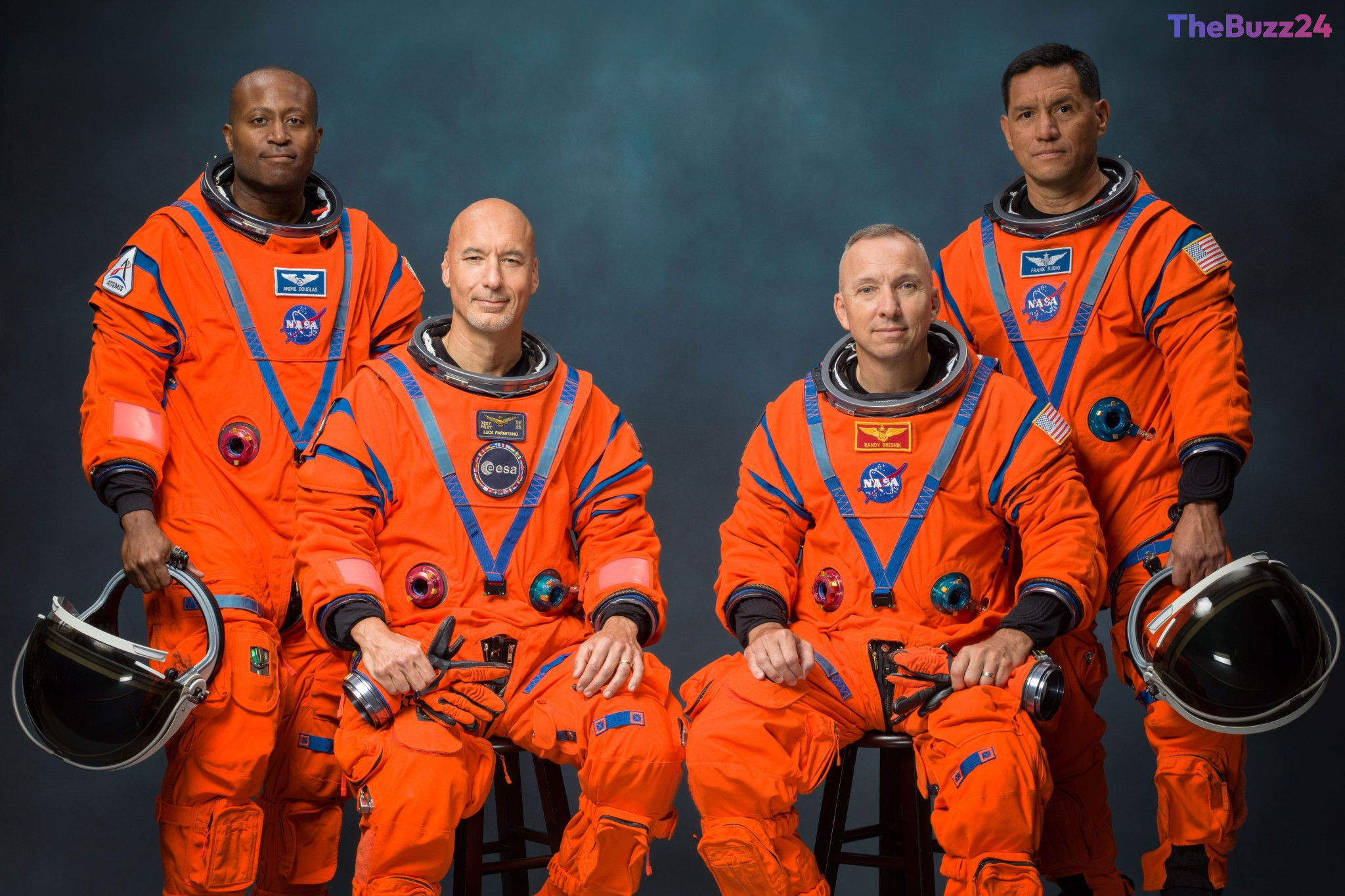
The next significant stride in humanity’s return to the Moon is taking shape, with the announcement of the four prime crew members for the Artemis III mission, slated for 2027. This pivotal test flight will pave the way for Artemis IV, the ambitious first crewed expedition to the lunar South Pole planned for 2028. The selected astronauts, Randy Bresnik as commander, Luca Parmitano from the European Space Agency (ESA) as pilot, and NASA astronauts Andre Douglas and Frank Rubio as mission specialists, represent a blend of seasoned experience and fresh perspectives. Bob Hines has also been named as a backup crew member, ready to step in if needed.
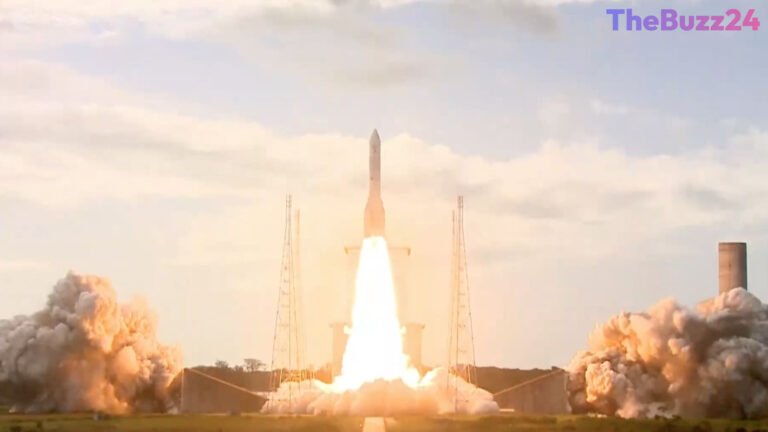
The Artemis III mission is designed to be a complex series of tests in Earth orbit. It will see the powerful SLS (Space Launch System) rocket launch the Orion spacecraft and its crew from Kennedy Space Center in Florida. A critical phase of the mission involves Orion demonstrating rendezvous and docking capabilities with test versions of human landing systems currently under development by commercial partners Blue Origin and SpaceX. This intricate multi-launch campaign will rigorously test integrated hardware, software, propulsion, and communication systems between Orion and the commercial landers, including Blue Origin’s Blue Moon and SpaceX’s Starship variants. This collaboration underscores a growing reliance on private industry to achieve ambitious space exploration goals.
A notable aspect of Artemis III is the inclusion of ESA astronaut Luca Parmitano, marking the first time a European astronaut has been assigned to an Artemis mission. This highlights the deepening international partnerships crucial for sustained lunar presence and future deep-space endeavors. The mission’s success is vital not only for establishing a long-term human presence on the lunar surface but also for laying the groundwork for eventual crewed missions to Mars. Engineers are making significant progress, with Orion module connections and docking system integration scheduled for this summer, alongside ongoing heat shield testing and SLS rocket processing. The crew will immediately begin intensive training on Orion systems and assist in the development of the commercial landers.
The mission sequence itself is a testament to advanced orbital mechanics and coordination. A Blue Origin lander pathfinder will launch first, awaiting the crew in orbit. The Orion spacecraft, carrying the astronauts, will then launch via SLS, rendezvous with the Blue Origin test article, and spend approximately two days docked for comprehensive tests and demonstrations, including crew entry into the lander. Following this, Orion will detach and await a SpaceX Starship pathfinder. After Starship’s launch, it will meet Orion for about a day of checkouts and testing. Upon completion, Orion and its crew will undock and return to Earth, splashing down in the Pacific Ocean. The entire mission is projected to last around two weeks, with the exact duration dependent on real-time operational factors.
Key Takeaways
- NASA has announced the four-person prime crew and one backup for the Artemis III mission, scheduled for 2027.
- The mission will involve the Orion spacecraft rendezvousing and docking with test versions of commercial human lunar landers from Blue Origin and SpaceX in Earth orbit.
- Artemis III is a crucial precursor for the Artemis IV lunar South Pole mission in 2028 and a foundational step towards future human missions to Mars.
Editor’s Analysis & Impact
The Artemis III mission represents a significant leap forward in space exploration, particularly in validating the public-private partnership model. The integration of commercial human landing systems from Blue Origin and SpaceX is a game-changer, demonstrating NASA’s commitment to leveraging private sector innovation for complex space endeavors. This approach not only fosters competition and accelerates technological development but also potentially reduces costs and increases mission cadence. The inclusion of an ESA astronaut underscores the growing international collaboration essential for sustained lunar presence and future deep-space missions. Successful execution of Artemis III will solidify the pathway for a permanent human presence on the Moon, unlock new scientific discoveries, and provide invaluable experience for the ultimate goal: sending humans to Mars. This mission will undoubtedly inspire a new generation and drive advancements across various engineering and scientific fields.
Frequently Asked Questions
Q: What is the primary objective of the Artemis III mission?
A: The primary objective of Artemis III is to conduct a critical test flight in Earth orbit, demonstrating rendezvous and docking capabilities between the Orion spacecraft and commercial human landing system test articles from Blue Origin and SpaceX. This mission is a crucial precursor for future lunar landings.
Q: Who are the main crew members for Artemis III?
A: The prime crew for Artemis III includes NASA astronaut Randy Bresnik as commander, ESA astronaut Luca Parmitano as pilot, and NASA astronauts Andre Douglas and Frank Rubio as mission specialists. Bob Hines is assigned as the backup crew member.
Q: How do commercial companies like Blue Origin and SpaceX contribute to Artemis III?
A: Blue Origin and SpaceX are developing crewed lunar landers, and for Artemis III, they are providing test versions of these systems. The Orion spacecraft will rendezvous and dock with these commercial test articles to validate integrated hardware, software, propulsion, and communication systems, marking a key collaboration between NASA and private industry.
AI Disclosure: This article is based on verified data and official reports. Our Team and AI have cross-referenced every financial detail with primary sources to ensure total accuracy.
More from this Category