Electoral Integrity or Exclusion? West Bengal Faces Mass Voter Deletion Crisis
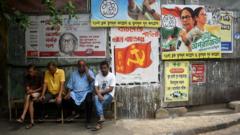
A significant electoral crisis has emerged in the Indian state of West Bengal, where approximately nine million voters have been removed from the electoral rolls ahead of the upcoming 2026 elections. This mass deletion, which accounts for roughly 12% of the state’s total electorate, has sparked widespread concern regarding the transparency and fairness of the democratic process. Among those affected are long-term residents and former service members who possess valid identification, yet find themselves barred from participating in the democratic exercise.
The Election Commission of India initiated the Special Intensive Revision (SIR) to purportedly clean the voter rolls of duplicate or outdated entries. However, the implementation of this process has triggered intense political friction. The ruling Trinamool Congress (TMC) has accused the commission of bias, alleging that the initiative disproportionately targets minority communities. Conversely, the Bharatiya Janata Party (BJP) maintains that the revision is a necessary measure to ensure that only legitimate Indian citizens are permitted to vote, framing the effort as a matter of national security.
Of the nine million names removed, 2.7 million cases remain in a state of legal limbo. These individuals were flagged by an AI-driven system that identified ‘logical discrepancies’ in their records, despite many providing documentation linked to historical electoral rolls. Data analysis reveals that these deletions have a disproportionate impact on Muslim populations and certain Dalit Hindu communities in border districts. Despite ongoing legal challenges, the Supreme Court has allowed the election process to move forward, leaving millions of citizens without a clear path to restore their voting rights before the polls open.
Key Takeaways
- Approximately nine million voters have been removed from West Bengal's electoral rolls, representing 12% of the total electorate.
- The deletions were driven by an AI-based 'Special Intensive Revision' process that flagged millions of records as doubtful, leading to significant legal disputes.
- Statistical data indicates a disproportionate impact on Muslim and Dalit Hindu communities, fueling accusations of political bias and voter disenfranchisement.
Editor’s Analysis & Impact
The situation in West Bengal represents a critical intersection of technological implementation in governance and the fragility of democratic rights. By relying on AI-driven systems to ‘purify’ electoral rolls, the Election Commission has inadvertently created a massive administrative bottleneck that threatens the legitimacy of the upcoming elections. The broader implication is a dangerous precedent where algorithmic decision-making, if not perfectly calibrated and transparent, can be weaponized or perceived as a tool for political exclusion. As the state moves toward the polls, the erosion of public trust in the electoral machinery may have long-term consequences for social cohesion. Future outlooks suggest that unless there is a robust, human-centric appeals process established, the state faces a period of heightened civil unrest and persistent legal challenges regarding the fundamental right to vote.
Frequently Asked Questions
Q: Why were nine million voters removed from the rolls in West Bengal?
A: The Election Commission of India conducted a Special Intensive Revision (SIR) to remove duplicate or outdated entries, though critics argue the AI-driven process used to flag these voters was flawed and biased.
Q: Are the affected voters able to challenge their removal?
A: While there are tribunals in place to resolve these disputes, the sheer volume of 2.7 million unresolved cases and the Supreme Court's decision to allow the election to proceed mean that many voters will likely be unable to cast their ballots in the upcoming cycle.
AI Disclosure: This article is based on verified data and official reports. Our Team and AI have cross-referenced every financial detail with primary sources to ensure total accuracy.
More from this Category