Porsche Unveils High-Performance Electric Cayenne Coupe with Dual-Track Strategy
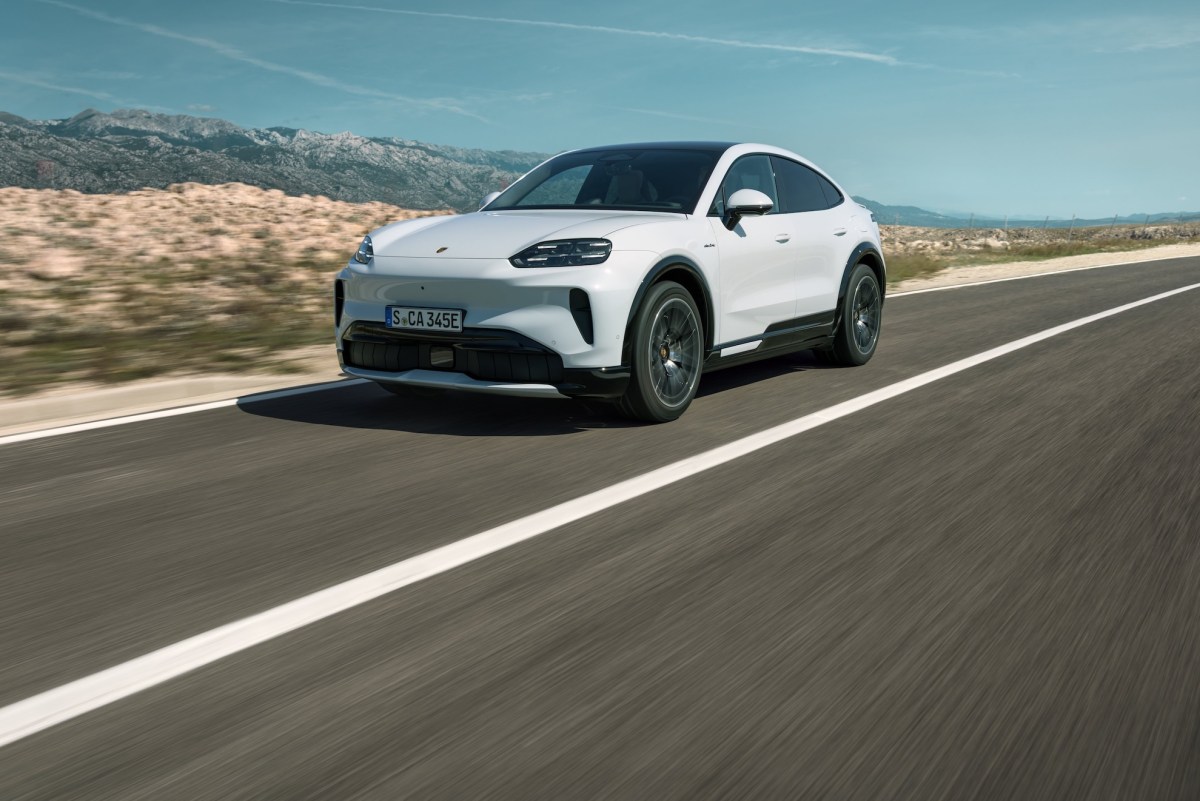
Porsche is set to broaden its electric vehicle portfolio with the introduction of the all-electric Cayenne Coupe, scheduled for a global release later this summer. This expansion builds on the significant market success of the Cayenne Coupe, which has represented 40% of the brand’s total sales volume since its 2019 debut. The new model is designed to merge the utility of a high-performance SUV with the iconic, sloping aesthetic of the Porsche 911.
In a departure from the strategy used for the Macan, which is transitioning to a fully electric platform, Porsche is implementing a dual-track approach for the Cayenne. The company will offer the new electric variant alongside traditional internal combustion and hybrid models, with production for gas-powered versions confirmed to extend well beyond 2030. This flexible manufacturing model is intended to allow the automaker to navigate the global shift toward electrification while maintaining the ability to serve a diverse luxury consumer base.
The new electric lineup is built on an advanced 800-volt architecture and features the North American Charging Standard (NACS) port to enhance charging convenience. Performance remains a core focus, with the entry-level model producing 435 horsepower. The flagship Turbo variant is engineered for extreme performance, delivering 1,139 horsepower and capable of accelerating from 0 to 60 mph in 2.4 seconds. While official EPA range figures are forthcoming, preliminary testing suggests a range of approximately 360 miles. The series will launch with a starting price of $113,800, reaching $168,000 for the top-tier Turbo model.
Key Takeaways
- Porsche is maintaining a dual-track production strategy, keeping internal combustion and hybrid Cayenne models available alongside the new EV through at least 2030.
- The top-tier electric Turbo Cayenne Coupe features 1,139 horsepower and a 0-60 mph time of 2.4 seconds.
- The new electric lineup incorporates 800-volt architecture and adopts the NACS charging port for better infrastructure compatibility.
Editor’s Analysis & Impact
Porsche’s decision to maintain a dual-track powertrain strategy for the Cayenne reflects a pragmatic approach to the luxury automotive market. By keeping internal combustion and hybrid options available alongside the new electric variant, the company mitigates the risk of alienating traditionalist buyers while simultaneously capturing the growing demographic of performance-oriented EV enthusiasts. The integration of the NACS port is a critical move that aligns the brand with broader North American charging infrastructure trends. From a market perspective, the Cayenne Coupe EV is positioned to compete directly with high-end electric performance SUVs, leveraging the brand’s strong equity in design and handling. The long-term success of this strategy will depend on how effectively Porsche can balance the manufacturing costs of multiple platforms while maintaining the premium margins expected by shareholders.
Frequently Asked Questions
Q: Will the gas-powered Cayenne be discontinued when the electric version launches?
A: No, Porsche plans to sell the electric Cayenne Coupe alongside its internal combustion and hybrid counterparts for the foreseeable future, with production for traditional models expected to continue well beyond 2030.
Q: What is the estimated range of the new electric Cayenne Coupe?
A: While official EPA estimates are still pending, early testing suggests the vehicles will achieve approximately 360 miles on a single charge.
AI Disclosure: This article is based on verified data and official reports. Our Team and AI have cross-referenced every financial detail with primary sources to ensure total accuracy.
More from this Category