Public Health Experts Challenge Proposal to Split MMR Vaccine Amid Safety and Logistical Concerns
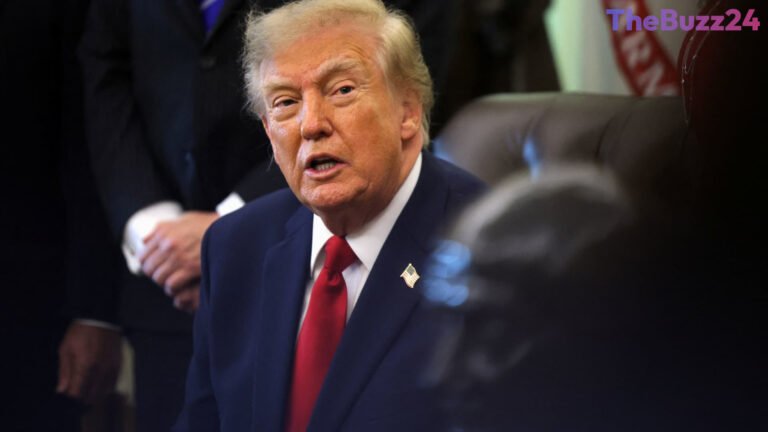
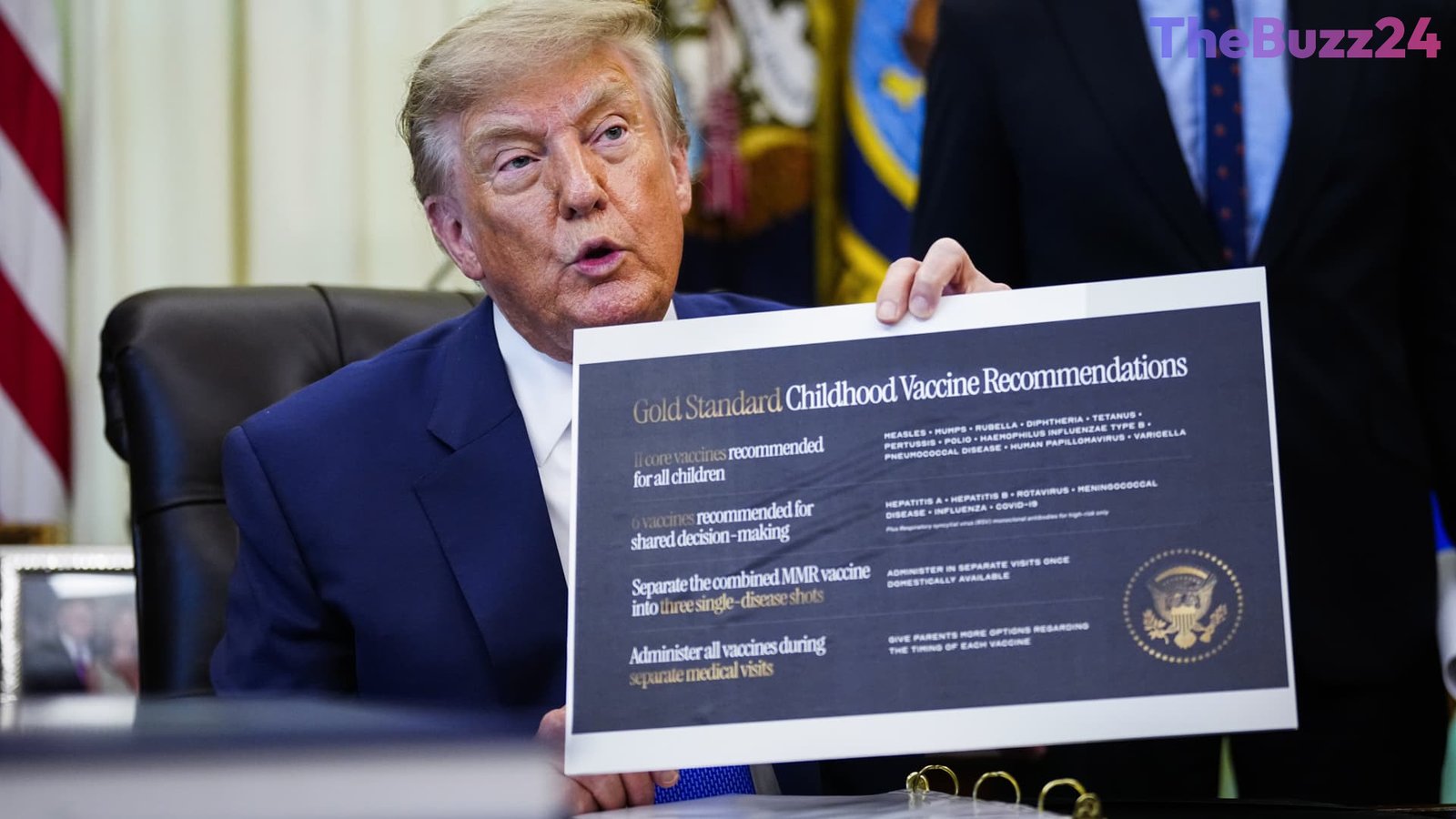
President Donald Trump’s recent executive order, which calls for the measles, mumps, and rubella (MMR) vaccine to be administered as three separate shots, has met with strong opposition from medical professionals and public health experts. They assert that the proposal lacks any scientific foundation and is highly unlikely to be implemented.
The President’s order, issued on Monday, reiterated unsubstantiated claims linking the combined MMR shot to higher autism rates, a connection that has been repeatedly disproven by extensive scientific research. Experts have unequivocally labeled these claims as “completely false,” emphasizing that no scientific data supports the benefits of separating the vaccine. Such a move would introduce significant logistical hurdles, potentially leading to more delayed or missed vaccinations among children due to the increased number of required doctor’s visits. This concern is particularly salient given the recent resurgence of measles cases in the U.S., which has seen its highest numbers in decades, partly attributed to a decline in MMR vaccination rates.
Further complicating the proposal, pharmaceutical manufacturers Merck and GSK, who produce the MMR vaccine, have little incentive to develop standalone versions. Such an undertaking would demand substantial time, resources, and a rigorous regulatory approval process, likely extending beyond any single presidential term. Industry experts suggest it could take over a decade to develop these separate shots, deeming it a “foolish investment.” Manufacturers also highlight that combination shots have been shown to improve childhood vaccination outcomes, ensuring higher completion rates for recommended doses. The current schedule involves two MMR doses; splitting the vaccine could necessitate up to six separate injections in a child’s early life, creating additional burdens for parents and healthcare providers, especially in areas with limited healthcare access.
The origins of the idea to split the vaccine can be traced to Andrew Wakefield, a British gastroenterologist whose 1998 paper claiming a link between MMR and autism was later retracted, leading to his removal from the U.K.’s medical register. Public health officials fear that rhetoric surrounding the proposal could further erode public confidence in the safety and efficacy of the MMR vaccine, potentially exacerbating the ongoing measles outbreak and undermining broader vaccination efforts. Experts stress the importance of policies that increase vaccination rates rather than creating additional barriers.
Key Takeaways
- President Trump's executive order proposes splitting the MMR vaccine into three separate shots, a move widely criticized by medical experts as lacking scientific basis.
- Experts warn that separating the vaccine would create significant logistical hurdles, potentially leading to delayed or missed vaccinations and exacerbating the ongoing measles resurgence.
- Pharmaceutical manufacturers have little incentive to develop standalone vaccines, citing extensive time, cost, and regulatory processes, while emphasizing the proven efficacy and convenience of combined shots.
Editor’s Analysis & Impact
The proposal to split the MMR vaccine, while unlikely to gain traction, carries significant implications for public health and vaccine confidence. From an industry perspective, major pharmaceutical companies like Merck and GSK have no commercial or scientific incentive to invest in developing separate vaccines, given the proven efficacy of the combined shot and the immense regulatory hurdles. This effectively renders the proposal economically unfeasible for manufacturers.
The broader impact lies in the potential erosion of public trust in established vaccination protocols. Such rhetoric, even if the policy never materializes, can fuel vaccine hesitancy, making it harder for public health campaigns to maintain high immunization rates. This could exacerbate outbreaks of preventable diseases like measles, posing a direct threat to community health and placing additional strain on healthcare systems. The episode underscores the critical need for evidence-based public health communication and policy-making.
Frequently Asked Questions
Q: What is the MMR vaccine?
A: The MMR vaccine is a combined immunization that protects against three common childhood diseases: measles, mumps, and rubella. It is a safe and highly effective vaccine administered in two doses during early childhood.
Q: Why do medical experts oppose splitting the MMR vaccine into separate shots?
A: Medical experts overwhelmingly oppose splitting the MMR vaccine because there is no scientific evidence to support such a change. They warn it would create significant logistical challenges, increase the number of required doctor's visits, potentially lead to delayed or missed vaccinations, and could undermine public confidence in established immunization schedules.
Q: Is there a scientific link between the MMR vaccine and autism?
A: No, extensive scientific research has repeatedly and conclusively disproven any link between the MMR vaccine and autism. The original paper that claimed such a connection in 1998 was retracted due to fraudulent data, and its author was discredited by the medical community.
AI Disclosure: This article is based on verified data and official reports. Our Team and AI have cross-referenced every financial detail with primary sources to ensure total accuracy.
More from this Category