QueryStory Emerges from Stealth, Promising Trustworthy AI-Driven Data Narratives
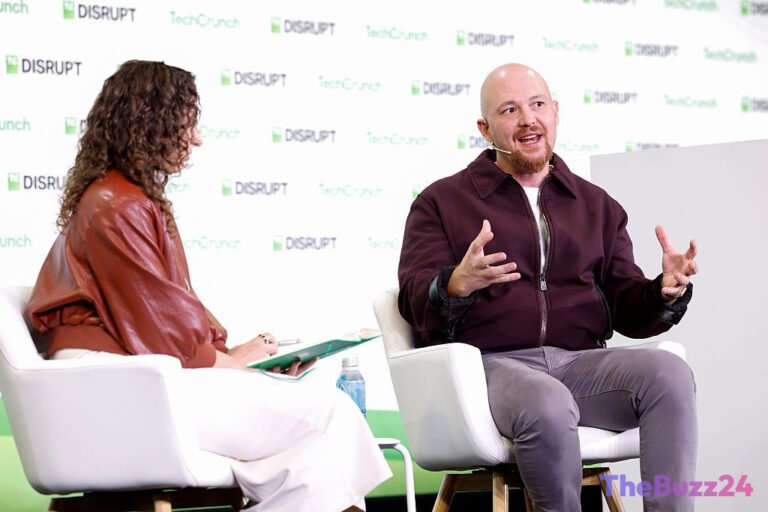
QueryStory, a new startup co-founded by former Google engineer Shapor Naghibzadeh, has officially launched, aiming to bridge the trust gap in enterprise data analysis powered by artificial intelligence. The company emerged from stealth today, backed by a $6 million seed funding round secured in late 2025 from investors including Brightmind Partners and New York Life Ventures. QueryStory’s core mission is to enable large enterprises to derive reliable insights from their vast, proprietary databases by transforming complex data into understandable narratives.
Naghibzadeh, who previously co-founded Google’s X Labs startup Chronicle, brings extensive experience in cybersecurity and data analysis. He observed that while Large Language Models (LLMs) are revolutionizing data analysis, a significant challenge remains in ensuring the accuracy and trustworthiness of the information they provide. QueryStory addresses this by developing a platform that allows users to query data, assemble findings into narratives, and receive analyses with confidence indicators, highlighting why the AI believes its conclusions are accurate. This approach aims to provide decision-makers with ground truth, even when they lack dedicated data science teams.
The platform is designed to be model-agnostic and offers a more transparent and controlled AI integration compared to general-purpose tools. QueryStory emphasizes its independence from large AI model providers, positioning itself as a service focused on delivering value and trust rather than simply selling compute or token consumption. This strategic differentiation aims to provide enterprises with a more efficient and accurate way to leverage AI for critical business decisions, offering clarity on costs and the tangible business value derived from the insights.
Key Takeaways
- QueryStory has launched a new platform designed to make AI-driven data analysis more trustworthy for enterprises.
- The platform transforms complex data into narratives and includes confidence indicators for AI-generated insights.
- Founded by former Google engineer Shapor Naghibzadeh, QueryStory aims to provide reliable data insights without requiring extensive data science expertise within organizations.
Editor’s Analysis & Impact
QueryStory’s emergence addresses a critical pain point for businesses increasingly reliant on AI for data analysis: trust. By focusing on verifiable narratives and confidence indicators, the company is positioning itself as a crucial intermediary in the AI ecosystem. Its model-agnostic approach and independence from major LLM providers could be a significant advantage, offering enterprises flexibility and a vendor-neutral perspective. The emphasis on ‘storytelling with data’ and providing clear business value, particularly for financial decision-makers, suggests a strategic focus on tangible ROI. As AI adoption accelerates, solutions that enhance transparency and reliability will likely see strong demand, potentially disrupting how enterprises interact with their data.
Frequently Asked Questions
Q: What problem does QueryStory aim to solve?
A: QueryStory aims to solve the 'trust gap' in AI-driven data analysis for enterprises. It helps users derive reliable insights from complex, proprietary databases by transforming data into understandable narratives with confidence indicators, ensuring the information is accurate and actionable.
Q: How does QueryStory differ from other AI data analysis tools?
A: QueryStory differentiates itself by being model-agnostic, focusing on transparency, reliability, and user control. Unlike tools that might prioritize selling compute or tokens, QueryStory is built to provide trustworthy answers and tangible business value, offering a more purpose-built and efficient solution for data analysis.
Q: Who is the target audience for QueryStory?
A: The primary target audience for QueryStory is large enterprises that manage significant, proprietary databases. This includes users like sales teams, operations managers, and decision-makers who need to work with complex data but may not have dedicated data science or BI teams at their disposal, especially in regulated industries.
AI Disclosure: This article is based on verified data and official reports. Our Team and AI have cross-referenced every financial detail with primary sources to ensure total accuracy.
More from this Category