Reflecting on Shannon Lucid’s Historic 188-Day Journey Aboard the Mir Space Station
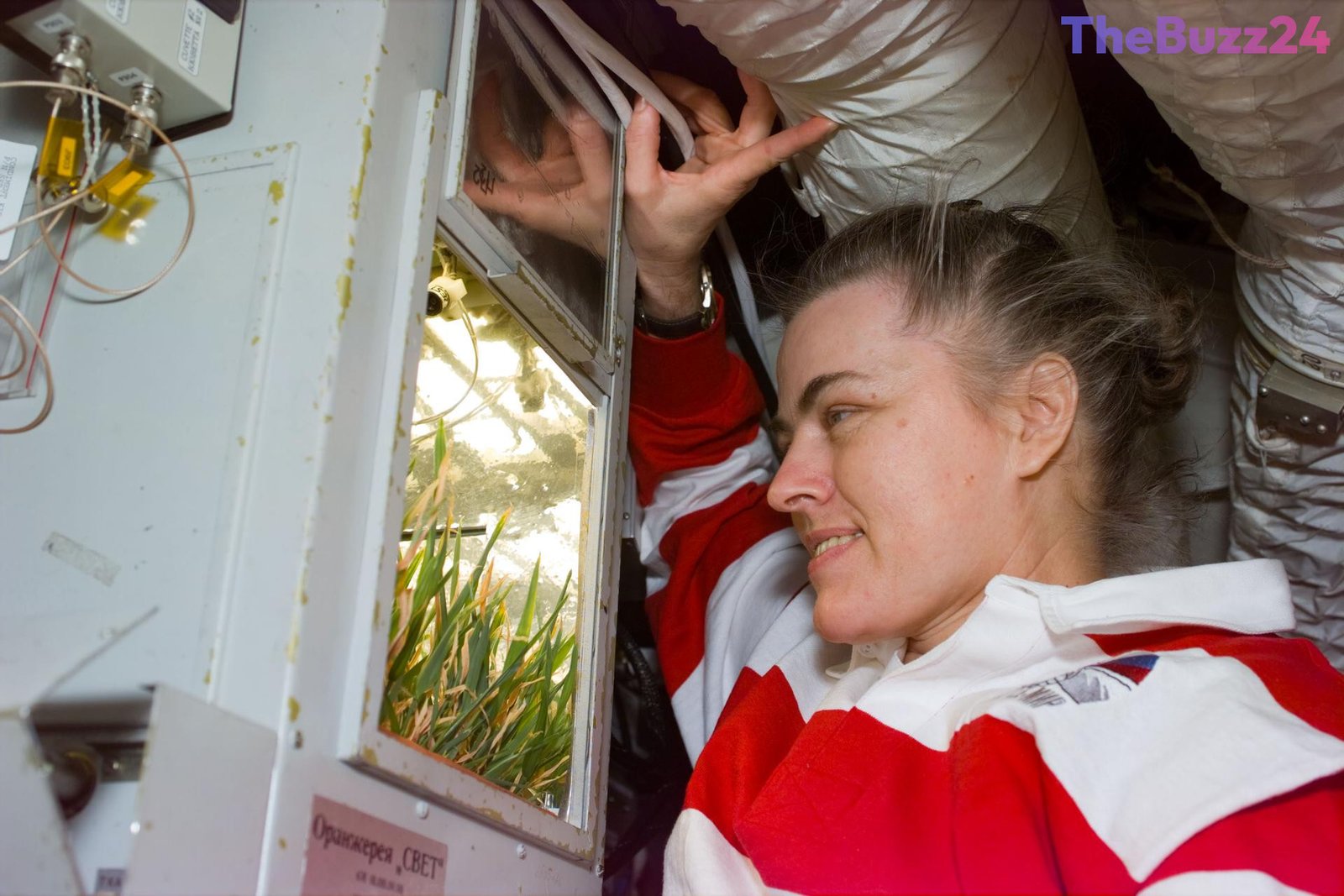
Astronaut Shannon W. Lucid achieved a monumental milestone in space exploration during her six-month stay aboard the Russian space station Mir. Appointed as part of NASA’s pioneering cohort of female astronauts in 1978, Lucid dedicated her mission to conducting vital life science studies and microgravity experiments alongside Russian cosmonauts, which included monitoring wheat plants growing in the Svet greenhouse.
Returning to Earth on September 26, 1996, aboard the space shuttle Atlantis, Lucid’s 188-day voyage established a groundbreaking record as the longest spaceflight for both an American and a woman at the time. Her extended time in orbit provided NASA with critical insights into the psychological, physiological, and cultural dynamics of long-duration space travel, serving as a foundational blueprint for subsequent operations on the International Space Station.
In recognition of her extraordinary endurance and service, President Bill Clinton presented Lucid with the Congressional Space Medal of Honor in December 1996, making her the first woman to receive the prestigious accolade. Following her historic flight, Lucid transitioned to vital ground-based roles, including serving as a primary communicator in Mission Control and later as NASA’s Chief Scientist, before concluding her distinguished three-decade career with her retirement in 2012.
Key Takeaways
- Shannon Lucid completed a record-setting 188-day mission aboard the Mir space station in 1996.
- Her endurance flight provided invaluable data for managing long-duration human spaceflight on the International Space Station.
- Lucid became the first woman to receive the Congressional Space Medal of Honor, later serving as NASA's Chief Scientist.
Editor’s Analysis & Impact
Shannon Lucid’s 1996 mission aboard Mir remains a watershed moment in the history of human spaceflight, particularly regarding international collaboration during the post-Cold War era. By enduring nearly half a year in microgravity, Lucid not only shattered endurance records for American astronauts and women globally, but she also stress-tested the logistical and psychological boundaries of long-duration space habitation. The data and operational lessons gleaned from the Shuttle-Mir program directly enabled the successful architecture, assembly, and continuous occupancy of the International Space Station. Furthermore, Lucid’s post-flight career in leadership and mission control underscored the immense value of veteran astronauts guiding agency policy and engineering protocols, solidifying a legacy that continues to influence modern deep-space preparation and astronaut training methodologies.
Frequently Asked Questions
Q: When did Shannon Lucid return from her historic Mir mission?
A: Shannon Lucid returned to Earth on September 26, 1996, aboard the space shuttle Atlantis after spending 188 days in space.
Q: What award did Shannon Lucid receive for her mission?
A: In December 1996, President Bill Clinton awarded Shannon Lucid the Congressional Space Medal of Honor, making her the first woman to receive the accolade.
Q: How did Lucid's mission impact future space programs?
A: Her extended stay provided NASA with critical insights into the psychological and cultural challenges of long-duration space missions, helping pave the way for operations on the International Space Station.
AI Disclosure: This article is based on verified data and official reports. Our Team and AI have cross-referenced every financial detail with primary sources to ensure total accuracy.
More from this Category