Energy Markets Volatile as Gulf Tensions Threaten Global Supply Chains
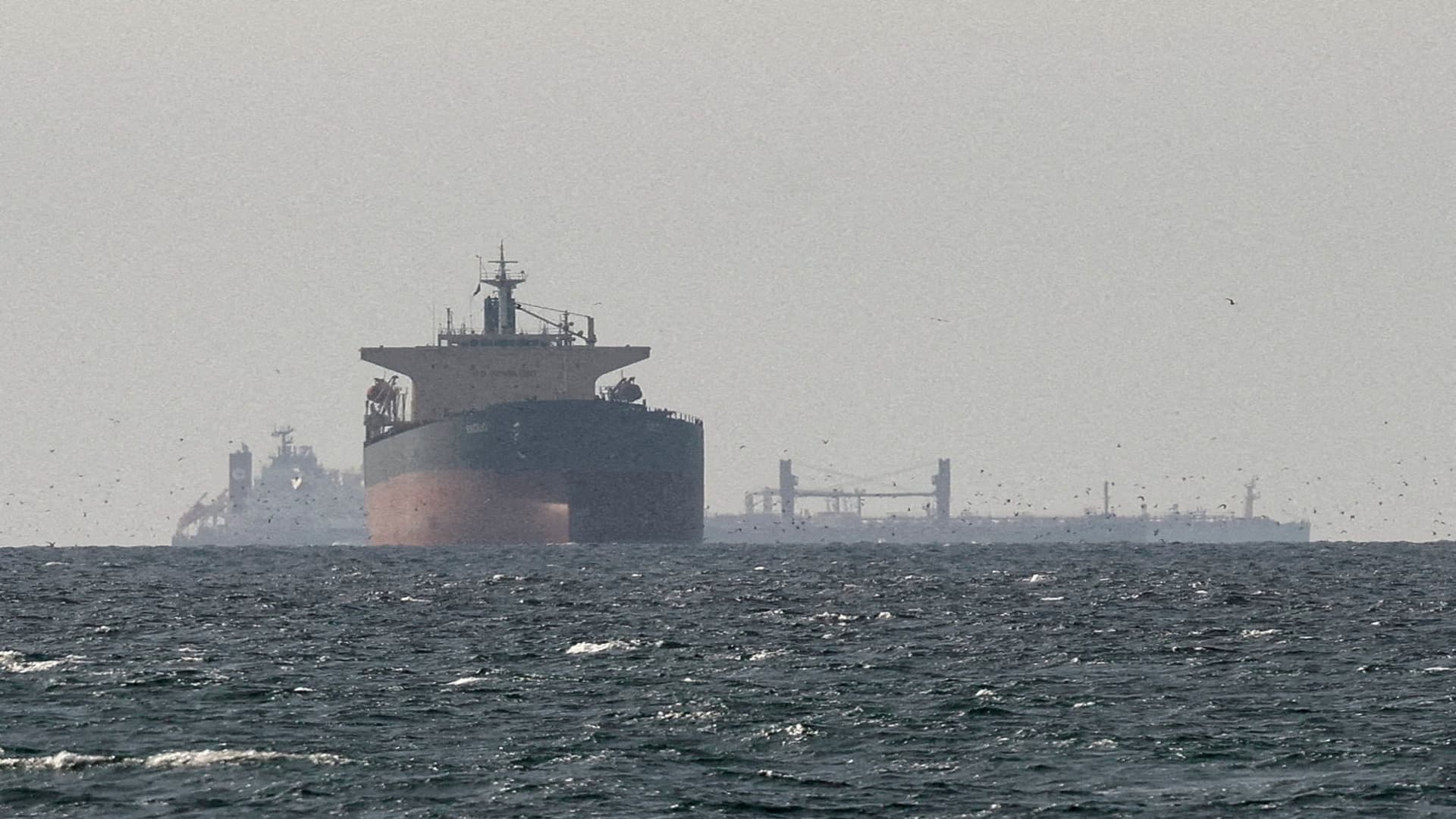
Global energy markets are facing significant instability as the fragile ceasefire between the United States and Iran appears to be nearing a total collapse. Following a weekend of renewed hostilities in the Gulf of Oman, shipping traffic has stalled once again, reversing earlier signs of recovery. The situation escalated sharply on Sunday when the U.S. Navy seized an Iranian container ship, leading to warnings from the White House regarding potential military action against Iranian infrastructure if a lasting agreement cannot be reached.
The immediate impact on the energy sector has been severe, with crude oil prices surging. West Texas Intermediate saw a jump of over 6%, reaching $89 per barrel, while Brent crude rose to $95.50. This price volatility highlights the extreme vulnerability of the global energy supply chain, particularly as the ongoing closure of the Strait of Hormuz continues to restrict the movement of approximately 13 million barrels of daily production. Industry experts caution that even if a diplomatic resolution is achieved, the global economy may face a long-term period of energy scarcity, as restoring supply chains to pre-conflict levels could take several months.
Diplomatic channels remain largely ineffective as the two-week ceasefire deadline approaches. While there was initial optimism regarding potential talks in Islamabad, conflicting signals from Tehran have cast doubt on the possibility of a negotiated settlement. The impasse is largely attributed to fundamental strategic disagreements, with the U.S. demanding concessions on uranium enrichment that Iran continues to reject. Previous high-level meetings have failed to produce a breakthrough, leaving little room for diplomatic optimism.
The economic consequences of this standoff are becoming increasingly difficult to manage. With over 500 million barrels of crude and condensate currently removed from the global market, this event marks one of the most significant energy supply disruptions in modern history. Economic institutions have already indicated that global growth projections are likely to be downgraded, as high energy costs and persistent geopolitical uncertainty threaten to derail the current economic recovery. Investors are now preparing for a shift away from stable growth toward a more volatile, high-cost economic environment.
Key Takeaways
- Crude oil prices have spiked significantly, with WTI rising over 6% to $89 per barrel due to renewed Gulf tensions.
- The closure of the Strait of Hormuz is currently preventing the transit of approximately 13 million barrels of oil per day.
- Global economic growth projections are under threat as the removal of 500 million barrels from the market creates a historic energy supply disruption.
Editor’s Analysis & Impact
The current standoff in the Gulf of Oman represents a critical inflection point for the global economy. By removing a massive volume of crude from the market, the conflict has effectively ended the era of low-cost energy that characterized the post-pandemic recovery. The market is now pricing in a ‘risk premium’ that reflects not just the immediate threat of military escalation, but the structural damage to global logistics. If the Strait of Hormuz remains closed, we are likely to see persistent inflationary pressure across all sectors, as energy costs are a primary input for manufacturing and transportation. The future outlook remains bleak; even a sudden diplomatic resolution would not immediately fix the logistical bottlenecks, suggesting that energy volatility will remain a defining feature of the global market for the foreseeable future.
Frequently Asked Questions
Q: Why are oil prices rising so sharply?
A: Oil prices are surging due to the closure of the Strait of Hormuz and the seizure of an Iranian vessel, which have collectively removed millions of barrels of daily production from the global supply chain.
Q: What is the primary obstacle to a diplomatic resolution?
A: The primary obstacle is a fundamental disagreement over uranium enrichment, with the U.S. seeking significant concessions that Iran currently refuses to accept.
AI Disclosure: This article is based on verified data and official reports. Our Team and AI have cross-referenced every financial detail with primary sources to ensure total accuracy.
More from this Category