From Wheelchair to Marathon Finish Line: A Story of Medical Triumph
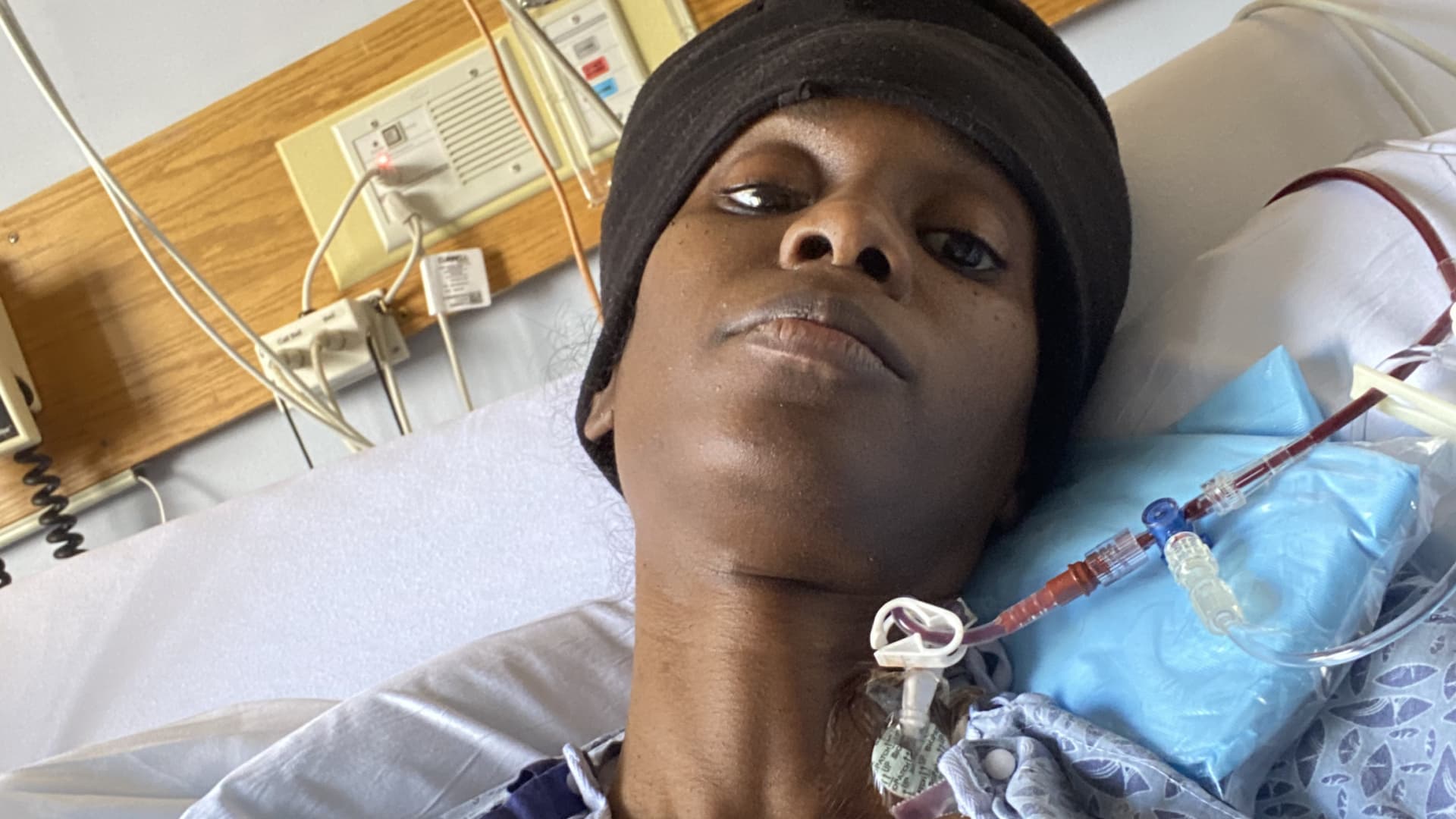
Marion Jones is set to achieve a monumental milestone at the Boston Marathon, representing a profound victory over a condition that once threatened to end her mobility forever. Only a few years ago, Jones faced a life-altering diagnosis of Neuromyelitis Optica (NMO), a rare autoimmune disorder that severely impacts the spinal cord and optic nerves. The diagnosis left her partially paralyzed and dependent on a wheelchair, forcing the former runner to confront a reality where her athletic pursuits seemed permanently out of reach.
Her path to recovery began with a rigorous rehabilitation program at the Encompass Rehabilitation Hospital of New England. Working closely with medical director Dr. Daniel Lyons, Jones embarked on a challenging journey to regain her strength. Through consistent, intensive daily therapy, she transitioned from being non-ambulatory to relearning the fundamental mechanics of walking. A pivotal moment occurred when she managed to run on a treadmill for just 30 seconds, a small but significant breakthrough that served as the catalyst for her return to the sport.
Since that recovery milestone, Jones has successfully completed six marathons, turning her personal struggle into a platform for advocacy. Her participation in the Boston Marathon is particularly poignant, as it marks a return to the city where she received her critical care. By competing, she aims to raise essential funds for the hospital that facilitated her recovery and to shine a light on the challenges faced by the rare disease community. Crossing the finish line will also secure her the Abbott World Marathon Majors Six Star Finisher Medal, a symbol of her enduring resilience and dedication.
Key Takeaways
- Marion Jones overcame partial paralysis caused by Neuromyelitis Optica (NMO) to return to competitive running.
- Her recovery was facilitated by intensive rehabilitation at the Encompass Rehabilitation Hospital of New England.
- Jones is using her marathon participation to raise awareness and funds for rare disease research and patient care.
Editor’s Analysis & Impact
The story of Marion Jones highlights the intersection of advanced medical rehabilitation and the indomitable human spirit. From an industry perspective, her recovery underscores the critical importance of specialized, long-term rehabilitation facilities in managing rare autoimmune conditions. As medical technology and physical therapy protocols continue to evolve, the ability to restore function in patients previously deemed non-ambulatory is becoming more attainable. Beyond the clinical success, Jones’s journey serves as a powerful case study in patient advocacy. By leveraging high-profile sporting events like the Boston Marathon, she effectively bridges the gap between personal health struggles and broader public awareness. This narrative not only inspires the rare disease community but also emphasizes the necessity of continued investment in specialized care centers that provide the foundation for such remarkable physical transformations.
Frequently Asked Questions
Q: What is Neuromyelitis Optica (NMO)?
A: NMO is a rare autoimmune disorder that primarily affects the optic nerves and the spinal cord, often leading to inflammation, vision loss, and physical paralysis.
Q: What is the Abbott World Marathon Majors Six Star Finisher Medal?
A: It is a prestigious award given to runners who have successfully completed all six of the world's major marathons, which include Boston, London, Berlin, Chicago, New York, and Tokyo.
AI Disclosure: This article is based on verified data and official reports. Our Team and AI have cross-referenced every financial detail with primary sources to ensure total accuracy.
More from this Category