Rivian Takes U.S. Government to Court Seeking Full Refund for Unconstitutional Tariffs
Electric vehicle maker Rivian has officially filed a lawsuit against the United States government, aiming to secure a full refund on import tariffs previously collected under former President Donald Trump’s administration. The legal action, submitted to the U.S. Court of International Trade, targets the federal government alongside U.S. Customs and Border Protection (CBP) and its leadership. The lawsuit follows a Supreme Court ruling that invalidated the trade levies imposed under the International Emergency Economic Powers Act (IEEPA), deeming them unconstitutional.
Despite the high court’s decision, Rivian’s legal team emphasized that an automatic return of funds is not guaranteed for affected importers, making direct litigation necessary to guarantee restitution. Financial leadership at the automaker previously indicated that the recovered duties could total tens of millions of dollars. Originally, the trade restrictions added thousands of dollars to the production cost of each vehicle, though supply chain adjustments eventually reduced the per-unit impact to a few hundred dollars before the tariffs were struck down.
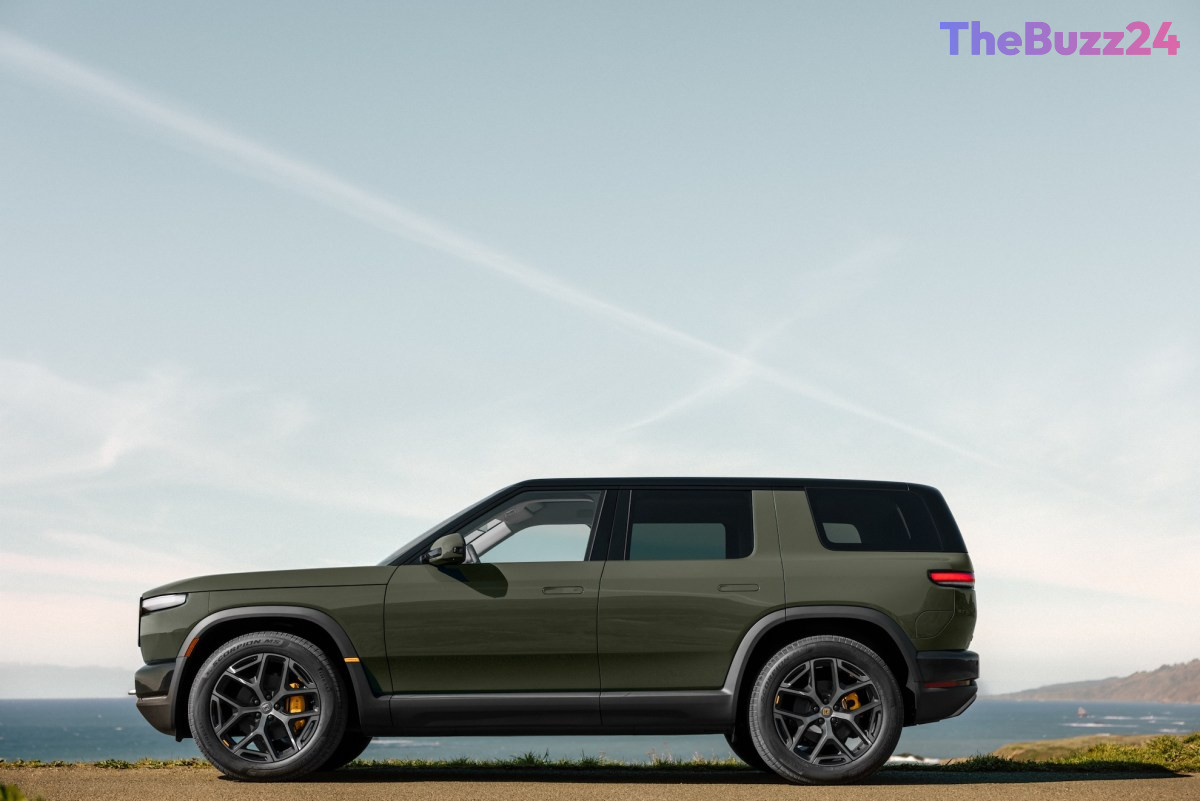
The legal battle unfolds during a pivotal transition period for the EV manufacturer. Rivian is currently scaling production for its new mass-market R2 SUV, targeting between 20,000 and 25,000 deliveries by the end of the year. While the company recently raised approximately $1.3 billion through stock offerings to pad its capital reserves, heavy ongoing investments in self-driving technology mean sustained profitability may not be achieved until roughly 2028.
Rivian joins a growing list of commercial entities seeking financial restitution through the federal court system. While customs officials report accepting over $121 billion in potential and certified refund claims for processing, industry analysts note that administrative friction has slowed payouts. In its complaint, Rivian is asking the court to formally declare the collected duties unlawful, mandate a full reimbursement with interest, and award coverage for court fees.
Key Takeaways
- Rivian has sued the U.S. government and Customs and Border Protection to reclaim tens of millions of dollars in tariffs ruled unconstitutional by the Supreme Court.
- The automaker argues that formal litigation is required because the Supreme Court ruling does not automatically guarantee refunds to affected importers.
- The potential payout comes at a critical time as Rivian prepares to deliver up to 25,000 R2 SUVs this year while funding autonomous vehicle development.
Editor’s Analysis & Impact
Rivian’s aggressive legal action highlights a broader corporate push to recover billions in illegally levied trade duties, offering a vital cash infusion at a crucial operational juncture. For an emerging EV manufacturer facing high capital expenditure—particularly in autonomous driving research and scaling its mass-market R2 SUV—reclaiming tens of millions of dollars significantly fortifies liquidity. While the Supreme Court’s decision established clear legal precedent, federal administrative hurdles have delayed actual disbursements across the import sector. A successful judgment with accrued interest will not only pad Rivian’s reserves as it targets profitability by 2028, but also establish a binding precedent for other businesses seeking swift government restitution.
Frequently Asked Questions
Q: Why is Rivian suing the U.S. government?
A: Rivian is seeking a full refund for trade duties paid under the International Emergency Economic Powers Act, which were later struck down as unconstitutional by the Supreme Court.
Q: How much money is Rivian trying to recover?
A: Company executives estimate that the potential tariff refunds could amount to tens of millions of dollars.
Q: Why didn't the Supreme Court decision automatically return the money?
A: The Supreme Court invalidated the legal basis for the tariffs, but importers must still pursue legal or administrative claims to guarantee the exact recalculation and payout of the funds they previously remitted.
AI Disclosure: This article is based on verified data and official reports. Our Team and AI have cross-referenced every financial detail with primary sources to ensure total accuracy.
More from this Category