Russia and China Revive Power of Siberia 2 Pipeline Negotiations Amid Global Energy Shifts
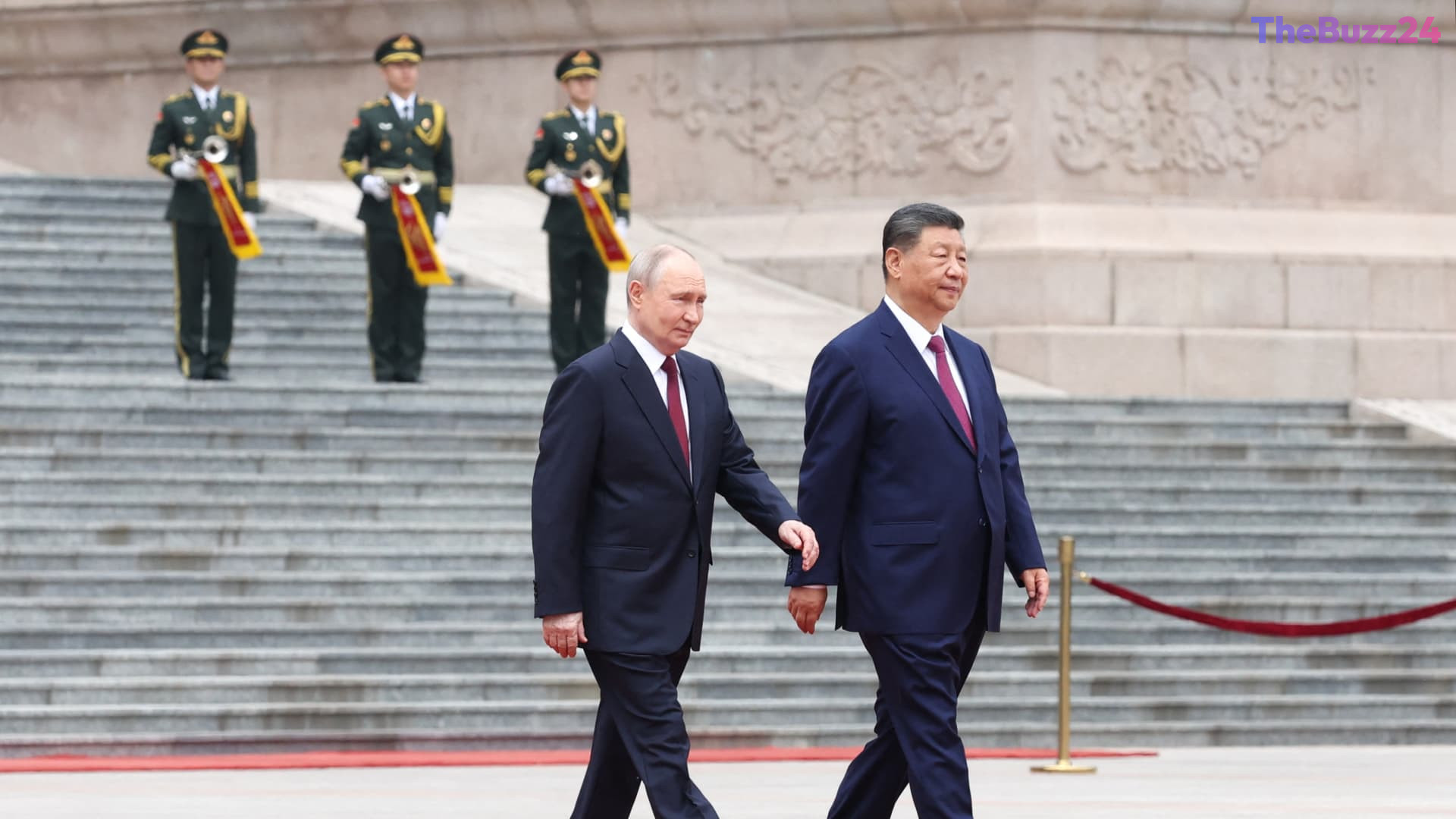
Russian President Vladimir Putin and Chinese leader Xi Jinping have resumed high-level talks in Beijing concerning the long-delayed Power of Siberia 2 natural gas pipeline. This ambitious 2,600-kilometer infrastructure initiative aims to deliver 50 billion cubic meters of natural gas annually from Russia’s Yamal Peninsula, traversing Mongolia to reach the Chinese market. Although both nations have expressed commitment through a memorandum of understanding, the project remains stalled by complex disagreements over pricing models, financing structures, and construction timelines.
The strategic necessity for this pipeline has grown significantly as geopolitical instability threatens traditional maritime energy corridors. Recent disruptions in global shipping routes, particularly concerns surrounding the Strait of Hormuz, have highlighted the vulnerability of China’s current oil and liquefied natural gas imports. By securing a land-based energy supply, Beijing seeks to mitigate the risks associated with sea-lane blockades, though it remains wary of becoming overly dependent on a single energy partner.
Economic negotiations remain a primary friction point. China is reportedly advocating for pricing parity with Russia’s domestic gas rates, whereas Moscow is pushing for valuations that align with the higher price points established in the original Power of Siberia 1 agreement. Beyond the financial disputes, the project carries profound geopolitical weight. A finalized deal would solidify the strategic partnership between Moscow and Beijing, yet it would also force both nations to navigate the risks of concentrated export dependence and the long-term integration of critical energy infrastructure.
For Russia, the pipeline represents a vital pivot in its economic strategy following the loss of its primary European gas markets in 2022. As Moscow works to redirect its energy exports eastward, the success of this project has become a cornerstone of its foreign policy. Despite the ongoing dialogue, the sheer scale of the logistical and financial hurdles suggests that the Power of Siberia 2 will remain a central, albeit contentious, feature of the evolving global energy landscape for the foreseeable future.
Key Takeaways
- The Power of Siberia 2 pipeline aims to transport 50 billion cubic meters of gas annually from Russia to China via Mongolia.
- Global maritime instability and threats to sea-lane energy routes are driving China to prioritize land-based supply alternatives.
- Negotiations are currently deadlocked over pricing disputes, with China seeking domestic-level rates and Russia pushing for higher export valuations.
Editor’s Analysis & Impact
The revival of the Power of Siberia 2 project underscores a fundamental shift in the global energy order. As Russia is effectively locked out of Western markets, it is forced to pivot toward Asia, creating a buyer’s market that gives China significant leverage. For Beijing, the pipeline is a strategic hedge against maritime volatility, yet it presents a classic ‘energy security’ dilemma: balancing the need for reliable supply against the risks of over-reliance on a single, geopolitically isolated partner. The project’s future will likely be determined by how much Russia is willing to sacrifice in profit margins to secure a long-term anchor for its economy, and how much China is willing to pay to insulate itself from potential naval blockades or Western-led maritime sanctions. This deal is as much about geopolitical alignment as it is about energy.
Frequently Asked Questions
Q: What is the primary goal of the Power of Siberia 2 pipeline?
A: The pipeline is designed to transport 50 billion cubic meters of natural gas annually from Russia's Yamal fields to China, passing through Mongolia.
Q: Why is China interested in this pipeline despite the current delays?
A: China is seeking to diversify its energy imports and reduce its reliance on vulnerable maritime routes, such as the Strait of Hormuz, which are susceptible to geopolitical disruptions.
Q: What are the main obstacles preventing a final agreement?
A: The primary obstacles are disagreements over pricing structures, financing, and the long-term economic implications of creating a deep energy dependency between the two nations.
AI Disclosure: This article is based on verified data and official reports. Our Team and AI have cross-referenced every financial detail with primary sources to ensure total accuracy.
More from this Category