Russian Financial Sector Granted Authority to Deploy Private Anti-Drone Defenses
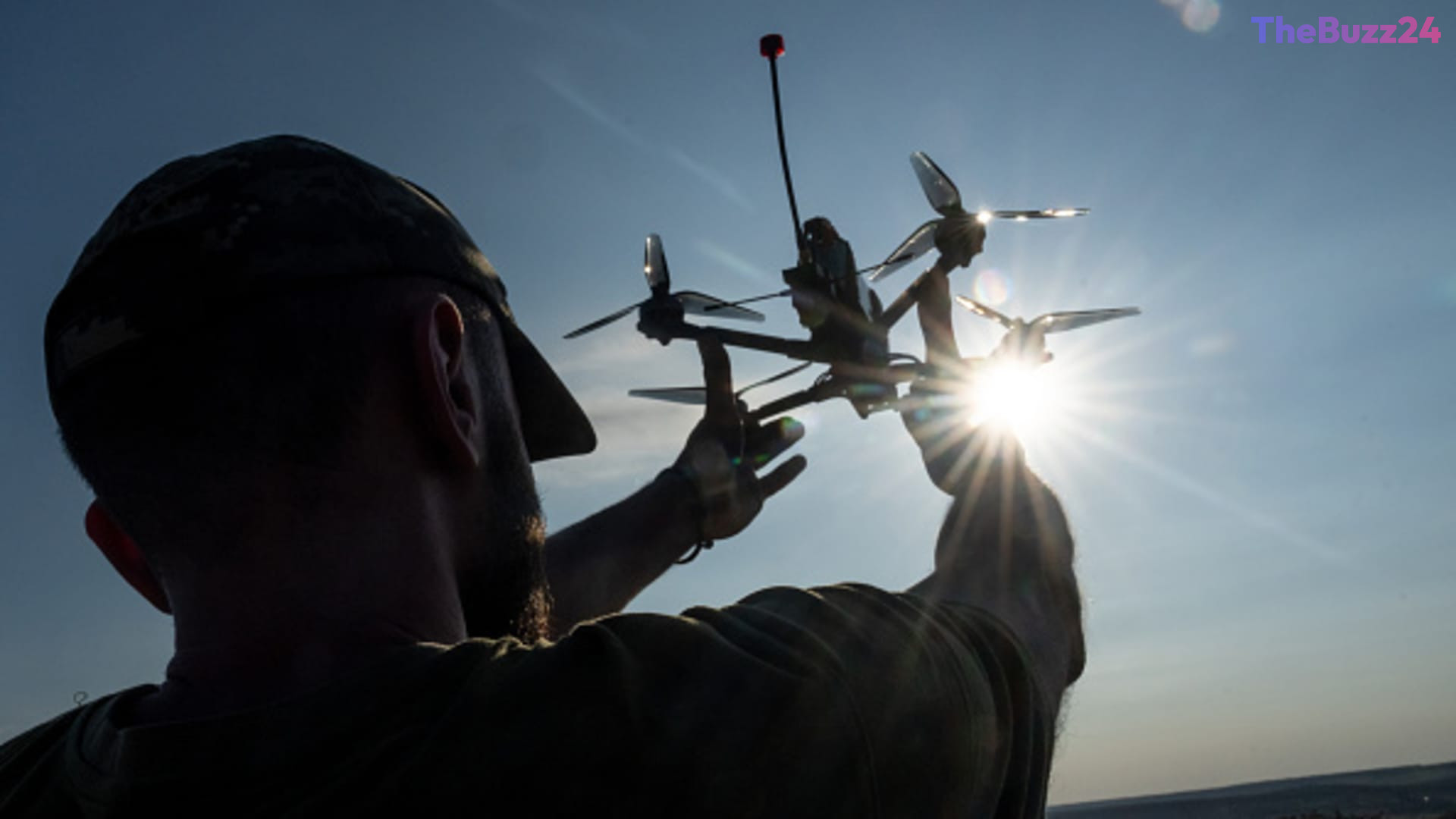
The Russian State Duma has officially passed legislation allowing financial institutions to implement their own anti-drone defense systems. This policy shift is a direct response to the rising frequency of long-range unmanned aerial vehicle (UAV) strikes, which have increasingly threatened the stability of the nation’s critical infrastructure. By decentralizing defense responsibilities, the government aims to bolster the security of key entities, including the Central Bank of Russia, Sberbank, and the Special Postal Service.
Under the new legal framework, these institutions are authorized to neutralize aerial, surface, and underwater drones that pose a risk to their facilities or personnel. Employees are now permitted to employ a range of defensive tactics, such as signal jamming, electronic interference, and the physical destruction of incoming threats. Additionally, the law grants staff members the authority to carry firearms to defend against potential incursions, marking a significant expansion of the security powers held by private and state-run financial entities.
Funding for these defensive measures will be sourced directly from the institutions themselves, bypassing the need for state budget allocations. This self-funded model ensures that financial infrastructure can maintain operational continuity despite the ongoing conflict. The move highlights the evolving nature of modern warfare, where the proliferation of drone technology has necessitated a shift toward localized, private-sector security protocols to protect sensitive assets from automated aerial threats.
Key Takeaways
- New legislation allows Russian financial institutions to deploy their own anti-drone defense systems.
- Authorized defensive measures include signal jamming, electronic interference, and the physical destruction of drones.
- Financial entities are responsible for funding their own security measures, which may include arming staff members.
Editor’s Analysis & Impact
The authorization of private anti-drone defenses within the financial sector signals a critical evolution in how nations protect infrastructure against asymmetric warfare. By shifting the burden of defense from the state to individual institutions, Russia is acknowledging that centralized military assets cannot cover every potential target in a conflict involving widespread drone usage. This decentralization creates a new market for specialized security technology and training, as banks and financial hubs must now integrate military-grade defensive capabilities into their standard operations. While this approach enhances the resilience of the financial system, it also raises complex questions regarding the regulation of private security forces and the potential for escalation in urban environments. Moving forward, other nations facing similar threats may look to this model as a blueprint for hardening civilian infrastructure against the growing prevalence of low-cost, high-impact drone technology.
Frequently Asked Questions
Q: Which institutions are covered under this new anti-drone legislation?
A: The law specifically mentions entities such as the Central Bank of Russia, Sberbank, and the Special Postal Service.
Q: Who is responsible for the costs associated with these new defense systems?
A: The institutions themselves are responsible for funding their own defensive measures rather than relying on state budget allocations.
AI Disclosure: This article is based on verified data and official reports. Our Team and AI have cross-referenced every financial detail with primary sources to ensure total accuracy.
More from this Category