Russian Cyber Syndicate Linked to Devastating $2.5 Billion Jaguar Land Rover Hack
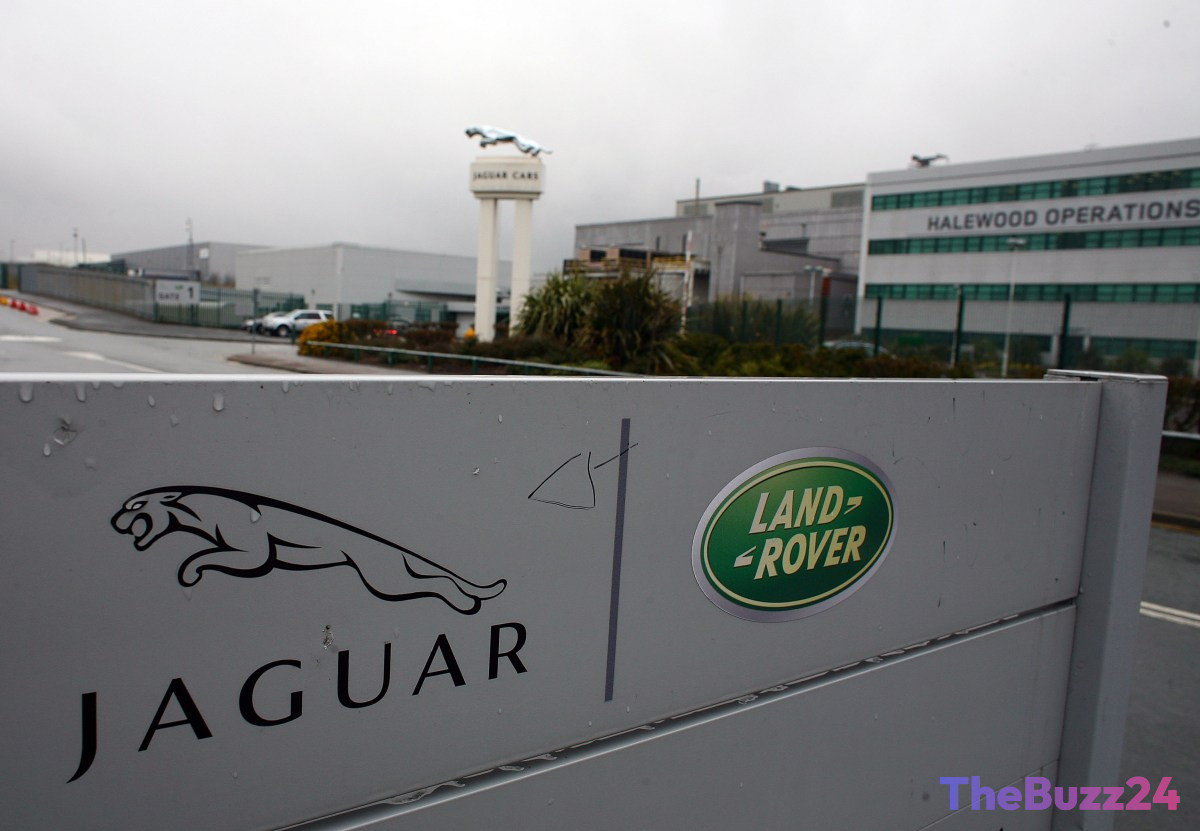
A sophisticated cyberattack that crippled production at automotive giant Jaguar Land Rover (JLR) and inflicted an estimated $2.5 billion in economic damage is now believed to have been orchestrated by a Russian hacking group. The breach, which significantly disrupted operations for months and necessitated a substantial government bailout for the U.K. automaker, had left the perpetrators unidentified for an extended period.
Recent investigative efforts, drawing on insights from individuals familiar with the probe, suggest a Russian cyber syndicate was responsible for the extensive infiltration. While the precise affiliation of the hackers remains under investigation—whether they acted as state-sponsored agents, independent criminal actors, or a combination thereof with tacit government backing—the link to Russia has emerged as a key finding. Microsoft reportedly played a role in identifying the group and alerting JLR to the threat.
This complex investigation involved a multi-agency effort, with contributions from the FBI, Britain’s National Crime Agency, the National Cyber Security Centre, Google’s Mandiant unit, and Palo Alto Networks. Adding another layer to the breach, it was also discovered that a separate Jordanian hacker, known online as ‘Rey,’ had gained unauthorized access to certain JLR networks, though the extent of their involvement and its relation to the primary Russian-led attack is still being clarified.
The incident underscores the persistent and evolving threat posed by advanced persistent threats (APTs) and cybercriminal organizations to critical infrastructure and major global corporations. The substantial economic fallout highlights the vulnerability of even large, established companies to well-resourced cyber adversaries.
Key Takeaways
- A Russian hacking group is reportedly behind the massive cyberattack on Jaguar Land Rover, which cost an estimated $2.5 billion.
- The hack caused significant production halts and economic damage, leading to a U.K. government bailout for the automaker.
- The investigation involved multiple international cybersecurity agencies, and a separate Jordanian hacker was also found to have breached JLR networks.
Editor’s Analysis & Impact
This revelation about the Russian syndicate’s involvement in the Jaguar Land Rover hack is a stark reminder of the escalating cyber threats facing the automotive industry and global manufacturing. The sheer scale of the financial damage and the subsequent government intervention highlight the critical need for enhanced cybersecurity measures, particularly for companies with complex supply chains and significant economic impact. The involvement of multiple international agencies points to the global nature of these threats and the necessity for coordinated defense strategies. The future outlook suggests an intensified focus on threat intelligence sharing and proactive defense mechanisms to mitigate the risk of similar, potentially more damaging, attacks.
Frequently Asked Questions
Q: What was the estimated financial impact of the Jaguar Land Rover hack?
A: The hack is estimated to have cost the British economy approximately $2.5 billion and necessitated a £1.5 billion (around $2 billion) government bailout for Jaguar Land Rover.
Q: Which entities were involved in investigating the hack?
A: The investigation involved Microsoft, the FBI, Britain's National Crime Agency, the National Cyber Security Centre, Google's Mandiant unit, and Palo Alto Networks.
Q: Was a Russian group the only entity that breached Jaguar Land Rover's networks?
A: No, while a Russian hacking group is believed to be behind the main breach, a Jordanian hacker known as 'Rey' also gained unauthorized access to some JLR networks.
AI Disclosure: This article is based on verified data and official reports. Our Team and AI have cross-referenced every financial detail with primary sources to ensure total accuracy.
More from this Category