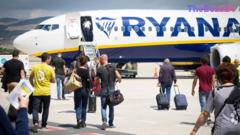
Ryanair Profits Slide Amid Middle East Conflict and Rising Fuel Costs
Ryanair has reported a significant 34% decline in pre-tax profits, falling to €593 million for the period between April and June. The airline, which saw its revenue remain largely stagnant, was forced to implement fare cuts to maintain passenger demand as geopolitical instability in the Middle East created a climate of consumer hesitancy regarding air travel.
The downturn is largely attributed to the escalating conflict involving Iran, which has triggered a sharp rise in jet fuel prices. While the airline had secured hedging agreements for a portion of its fuel requirements, the costs for unhedged supplies have more than doubled. This volatility in the energy market, exacerbated by disruptions in the Strait of Hormuz, has placed immense pressure on the company’s operational margins.
Despite these challenges, Ryanair maintains that demand for travel remains resilient, particularly on popular Mediterranean routes. However, the company noted a shift in consumer behavior, with passengers increasingly booking flights closer to their departure dates. Looking ahead, the airline expects summer fares to be modestly lower than the previous year, warning that its annual financial performance remains highly sensitive to the ongoing geopolitical climate and fluctuations in global oil prices.
Key Takeaways
- Ryanair's pre-tax profits fell 34% to €593 million due to rising fuel costs and reduced consumer confidence.
- Geopolitical tensions in the Middle East have caused jet fuel prices to spike, impacting the airline's bottom line.
- The airline is lowering fares to stimulate demand, with passengers currently booking flights much closer to their travel dates.
Editor’s Analysis & Impact
The aviation industry is currently facing a ‘perfect storm’ of geopolitical risk and shifting consumer sentiment. Ryanair’s recent performance highlights the vulnerability of low-cost carriers to external energy shocks, specifically those tied to Middle Eastern conflicts. While the airline’s hedging strategy provides a buffer, the sustained volatility in crude oil prices threatens to erode margins across the sector. Furthermore, the trend of ‘late booking’ suggests that travelers are becoming more cautious, potentially signaling a broader cooling of the post-pandemic travel boom. Moving forward, the airline industry will likely face continued pressure to balance competitive pricing with the rising costs of operations, making the ability to adapt to rapid geopolitical shifts a critical differentiator for long-term survival.
Frequently Asked Questions
Q: Why did Ryanair lower its ticket prices?
A: Ryanair reduced fares to stimulate demand and entice passengers who were hesitant to book travel due to the ongoing conflict in the Middle East.
Q: How is the conflict in the Middle East affecting airline fuel costs?
A: The conflict has disrupted oil supply routes, such as the Strait of Hormuz, leading to a spike in crude oil prices and significantly increasing the cost of jet fuel for airlines.
AI Disclosure: This article is based on verified data and official reports. Our Team and AI have cross-referenced every financial detail with primary sources to ensure total accuracy.
More from this Category