LIV Golf at a Crossroads: League Faces Funding Cliff After 2026
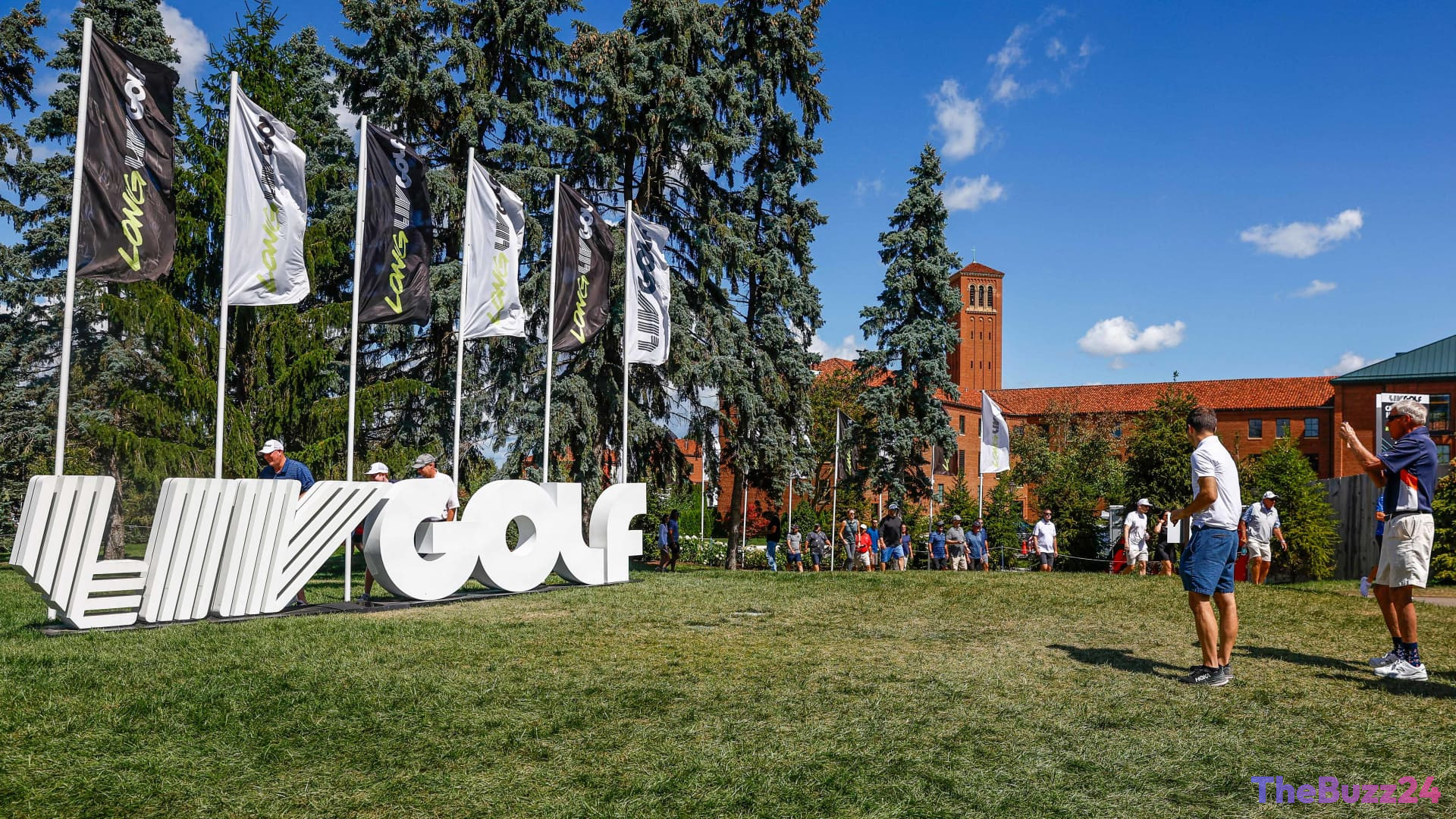
LIV Golf is approaching a pivotal juncture as its primary financial backer, the Public Investment Fund (PIF) of Saudi Arabia, prepares to withdraw its support following the 2026 season. This impending shift has forced the league’s leadership to initiate an urgent search for alternative funding models to ensure the circuit’s viability beyond the current financial commitment. A committee of independent directors is currently tasked with evaluating strategic options to stabilize the organization’s long-term future.
Since launching in 2021, LIV Golf has aggressively challenged the traditional professional golf landscape by signing high-profile players to lucrative contracts. While the league has successfully secured partnerships with major global brands and projected a $100 million revenue increase for 2026, it has struggled to achieve the television viewership levels necessary to offset its massive operational costs. Financial disclosures reveal that the league’s non-U.S. operations alone incurred nearly $600 million in losses during 2024, highlighting the difficulty of competing with the established PGA Tour.
Internal leadership, including CEO Scott O’Neil, has acknowledged the necessity of transitioning toward a self-sustaining business model. The pressure to secure new capital is further complicated by the league’s current roster stability, as marquee stars like Bryson DeChambeau face contract expirations in the near future. With a potential merger with the PGA Tour remaining in a state of limbo, LIV Golf must now prove its market value to external investors in an increasingly crowded and competitive professional sports environment.
Key Takeaways
- The Saudi Public Investment Fund plans to end its financial backing of LIV Golf after the 2026 season.
- LIV Golf reported significant operational losses, including nearly $600 million from non-U.S. operations in 2024.
- The league is actively seeking new investors and a self-sustaining business model to retain top talent and ensure future operations.
Editor’s Analysis & Impact
The impending withdrawal of PIF funding marks a critical test for the viability of the LIV Golf model. While the league succeeded in disrupting the professional golf ecosystem, it has yet to demonstrate a path to profitability independent of sovereign wealth backing. The challenge now lies in whether the league can pivot from a ‘challenger’ brand to a commercially sustainable entity before its current funding window closes. The inability to finalize a merger with the PGA Tour leaves LIV in a precarious position, as it must convince private equity or corporate sponsors that the product has enough long-term growth potential to justify the high costs of player retention. If the league fails to secure new capital, it risks a talent exodus that could severely diminish its competitive standing and market relevance.
Frequently Asked Questions
Q: Why is LIV Golf losing its primary funding?
A: The Public Investment Fund of Saudi Arabia has indicated it will cease financial support for the league following the conclusion of the 2026 season, prompting the organization to seek new, independent investment.
Q: What happens to LIV Golf's star players if funding ends?
A: The league faces a challenge in retaining marquee talent, such as Bryson DeChambeau and Jon Rahm, whose contracts are set to expire in the coming years. The organization must secure new funding to maintain these high-value agreements.
AI Disclosure: This article is based on verified data and official reports. Our Team and AI have cross-referenced every financial detail with primary sources to ensure total accuracy.
More from this Category