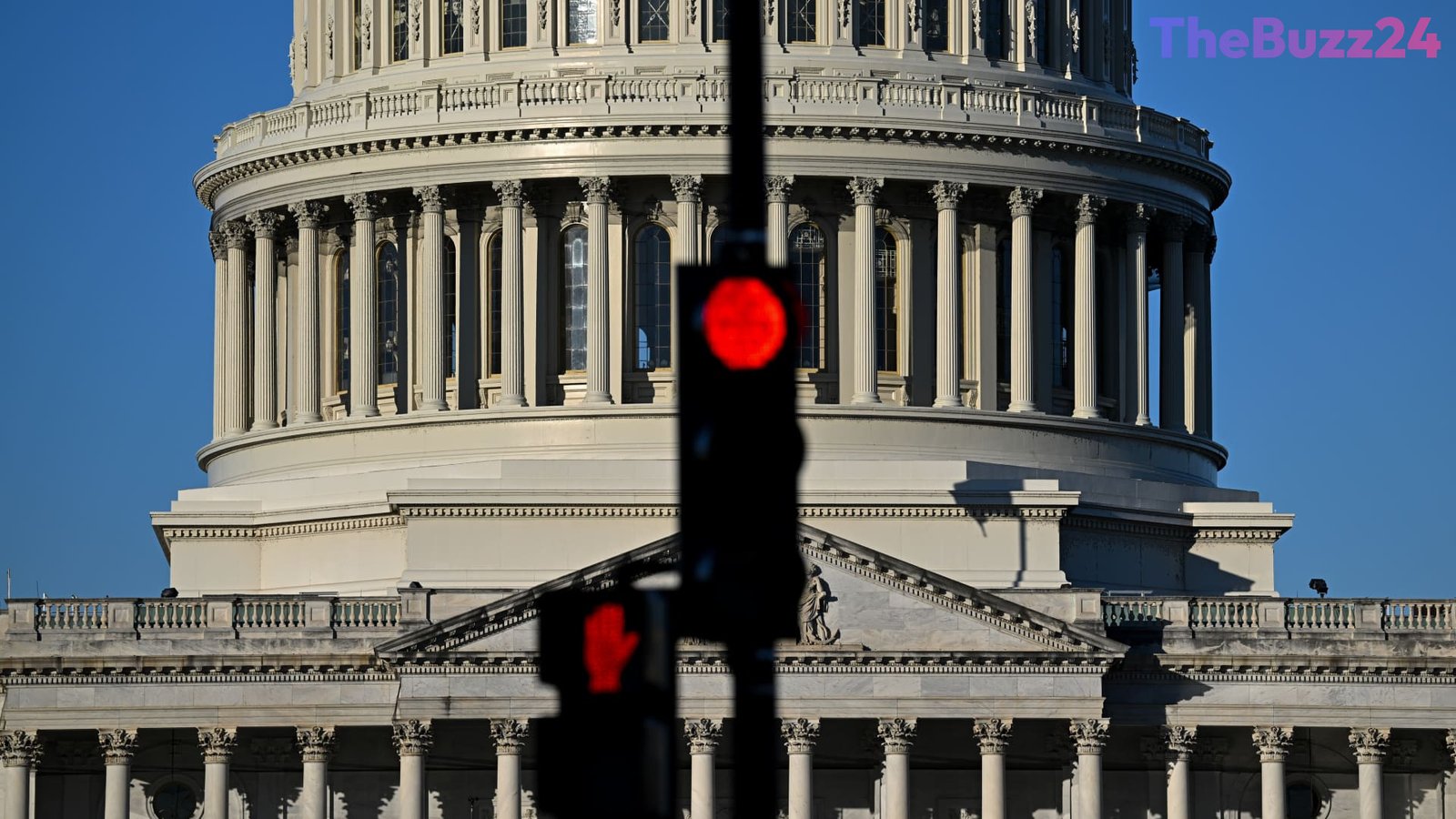
Senate Rejects Clarity Act, Stalling Crypto Regulatory Framework
The U.S. Senate has effectively blocked the Clarity Act, a significant piece of legislation intended to establish a comprehensive regulatory framework for the cryptocurrency industry. The procedural vote, which failed to reach the 60-vote threshold required to advance, leaves the future of digital asset oversight in limbo. Despite months of bipartisan negotiations and last-minute revisions aimed at addressing ethical concerns regarding public officials, the bill fell short with a final tally of 50-49.
The failed vote represents a major setback for industry advocates who had hoped for clear, codified rules to govern market structure, registration requirements, and anti-money laundering protocols. The legislation sought to delineate oversight responsibilities between the Securities and Exchange Commission (SEC) and the Commodity Futures Trading Commission (CFTC). Following the announcement, market reactions were swift, with Bitcoin prices dipping 3% and shares of major industry players like Coinbase and Circle experiencing notable declines.
Political tensions played a central role in the defeat, as Democratic negotiators expressed dissatisfaction with the ethics provisions included in the revised bill. With the legislative calendar tightening ahead of the upcoming midterm elections, lawmakers are expected to depart Washington shortly, making any further progress on the bill unlikely this year. Industry leaders now face the prospect of operating under existing, fragmented regulatory guidance, with some shifting their focus toward potential political action committee involvement in upcoming election cycles.
Key Takeaways
- The Senate failed to advance the Clarity Act, leaving the cryptocurrency industry without a unified federal regulatory framework.
- The vote fell short of the 60-vote threshold, with political disagreements over ethics provisions cited as a primary cause for the impasse.
- Market participants reacted negatively to the news, with Bitcoin and crypto-related stocks seeing immediate downward pressure.
Editor’s Analysis & Impact
The failure of the Clarity Act signals a prolonged period of regulatory uncertainty for the digital asset sector. By failing to establish a clear jurisdictional divide between the SEC and the CFTC, the industry remains vulnerable to ‘regulation by enforcement,’ which has historically stifled innovation and deterred institutional capital. The immediate market dip reflects investor frustration, as the hope for a legislative ‘safe harbor’ has been deferred indefinitely. Looking ahead, the industry will likely pivot toward lobbying efforts and political spending to influence future legislative sessions. However, until a bipartisan consensus on ethics and oversight is reached, the sector will continue to rely on piecemeal guidance from federal agencies, which may lead to continued volatility and a potential exodus of startups to more favorable international jurisdictions.
Frequently Asked Questions
Q: What was the primary goal of the Clarity Act?
A: The Clarity Act aimed to create a comprehensive regulatory framework for the cryptocurrency industry, specifically defining the roles of the SEC and CFTC while setting clear registration and anti-money laundering standards.
Q: Why did the bill fail to pass the Senate?
A: The bill failed to reach the 60-vote threshold required to end debate. Opposition was largely driven by disagreements over ethics provisions regarding how public officials handle crypto-related profits.
Q: What is the expected impact on the crypto industry following this vote?
A: The industry will likely face continued regulatory uncertainty, forcing companies to navigate existing, often conflicting, agency rules rather than a unified federal law, at least until the next legislative session.
AI Disclosure: This article is based on verified data and official reports. Our Team and AI have cross-referenced every financial detail with primary sources to ensure total accuracy.
More from this Category