Senate Resistance Mounts Against Trump’s Intelligence Pick Bill Pulte
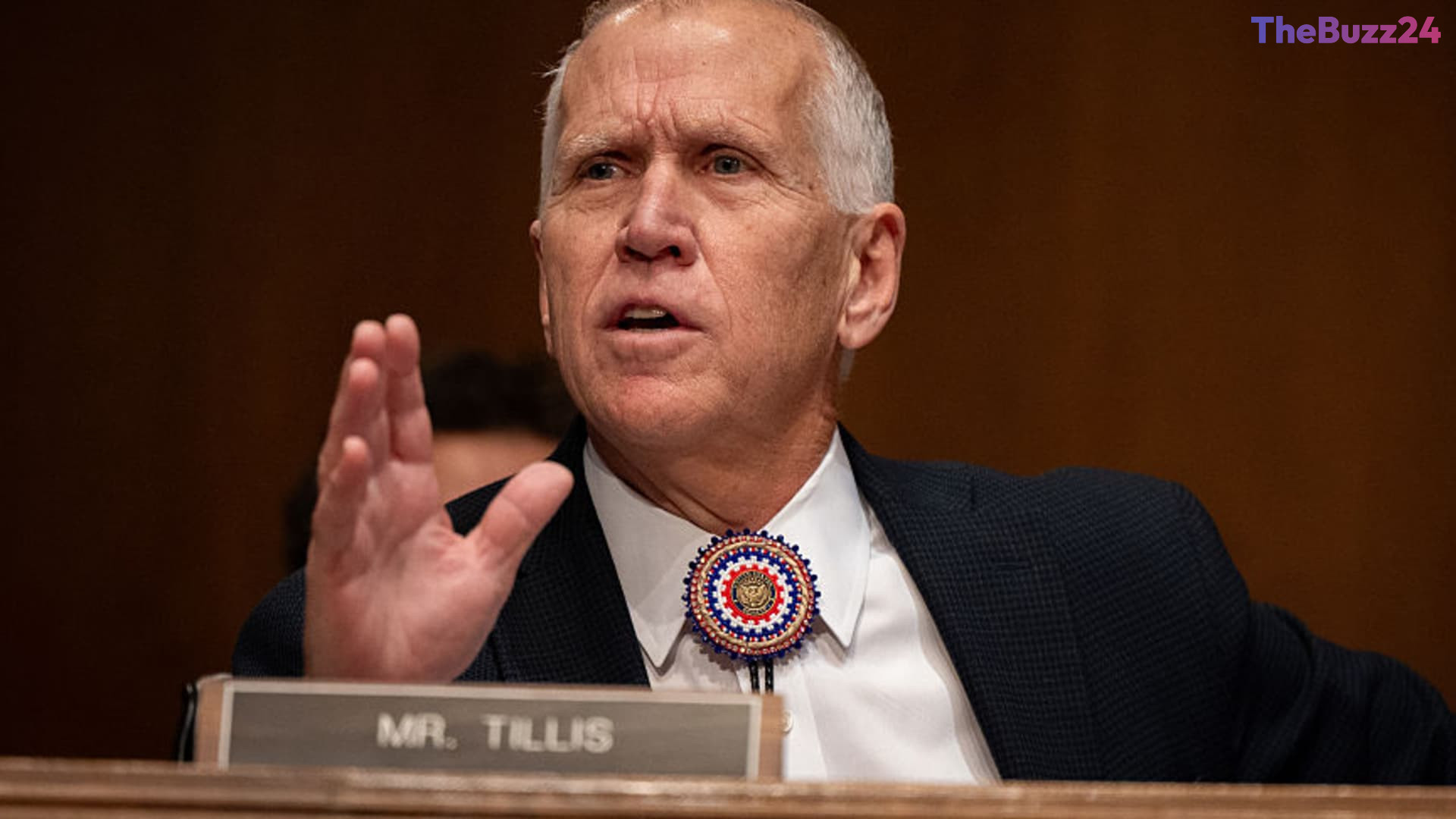
President Donald Trump’s appointment of Bill Pulte as the acting Director of National Intelligence (DNI) has triggered a significant backlash within the Senate, with key Republican lawmakers questioning his qualifications and temperament. Senator Thom Tillis of North Carolina has been among the most vocal critics, labeling Pulte an ‘incendiary attack dog’ and asserting that he lacks the necessary support to secure a permanent confirmation. Pulte, who currently serves as the head of the Federal Housing Finance Agency, has no prior professional experience in the intelligence sector, a fact that has drawn sharp rebukes from both sides of the aisle.
Concerns regarding the appointment extend beyond mere lack of experience. Critics point to Pulte’s history of using his regulatory position to target political opponents, raising fears that he might weaponize the nation’s most sensitive intelligence assets. Senator Tillis and others have highlighted Pulte’s past controversies, including his removal from the board of his family’s homebuilding company and public disavowals from his own relatives, as evidence of a temperament unsuitable for the sensitive DNI role. The White House, however, continues to defend the selection, maintaining that Pulte is a talented choice capable of serving the American people effectively.
The political fallout from this appointment threatens to complicate broader legislative agendas in Congress, including the reauthorization of Section 702 of the Foreign Intelligence Surveillance Act. Senate Intelligence Committee leadership has signaled that if the administration does not reconsider the appointment, bipartisan cooperation on critical surveillance legislation could be jeopardized. As the administration weighs whether to keep Pulte in an ‘acting’ capacity to bypass the confirmation process, the rift between the White House and the Senate continues to widen, signaling a period of intense friction over executive appointments.
Key Takeaways
- Senator Thom Tillis and other lawmakers have publicly opposed Bill Pulte’s appointment as acting DNI, citing a lack of intelligence experience and concerns over his temperament.
- Critics fear that Pulte, who has a history of targeting political foes while leading the Federal Housing Finance Agency, may weaponize confidential intelligence information.
- The appointment has created a legislative standoff, with Senate leaders threatening to block critical surveillance law reauthorizations unless the administration addresses their concerns.
Editor’s Analysis & Impact
The nomination of Bill Pulte represents a high-stakes gamble by the Trump administration, testing the limits of executive authority versus Senate oversight. By appointing a loyalist with no intelligence background to a role that requires deep geopolitical expertise and non-partisan discretion, the White House is signaling a preference for ideological alignment over traditional institutional qualifications. The market and industry impact is significant: the intelligence community relies on stability and trust to function, and the perception of ‘weaponization’ could lead to a breakdown in inter-agency cooperation and international intelligence sharing. Looking ahead, the administration may opt to keep Pulte in an ‘acting’ role indefinitely to avoid a failed confirmation vote, but this strategy risks a permanent fracture in the relationship between the White House and the Senate, potentially stalling essential national security legislation for the remainder of the term.
Frequently Asked Questions
Q: Why is Bill Pulte's appointment as acting DNI controversial?
A: Pulte is controversial because he lacks any professional background in intelligence and has a documented history of using his regulatory power to target political opponents, leading critics to fear he will weaponize the intelligence community.
Q: Can the Trump administration keep Pulte in the role without Senate confirmation?
A: Yes, by designating him as 'acting' director, the administration can bypass the formal Senate confirmation process, though this approach has drawn sharp criticism from lawmakers who argue it avoids necessary vetting.
AI Disclosure: This article is based on verified data and official reports. Our Team and AI have cross-referenced every financial detail with primary sources to ensure total accuracy.
More from this Category