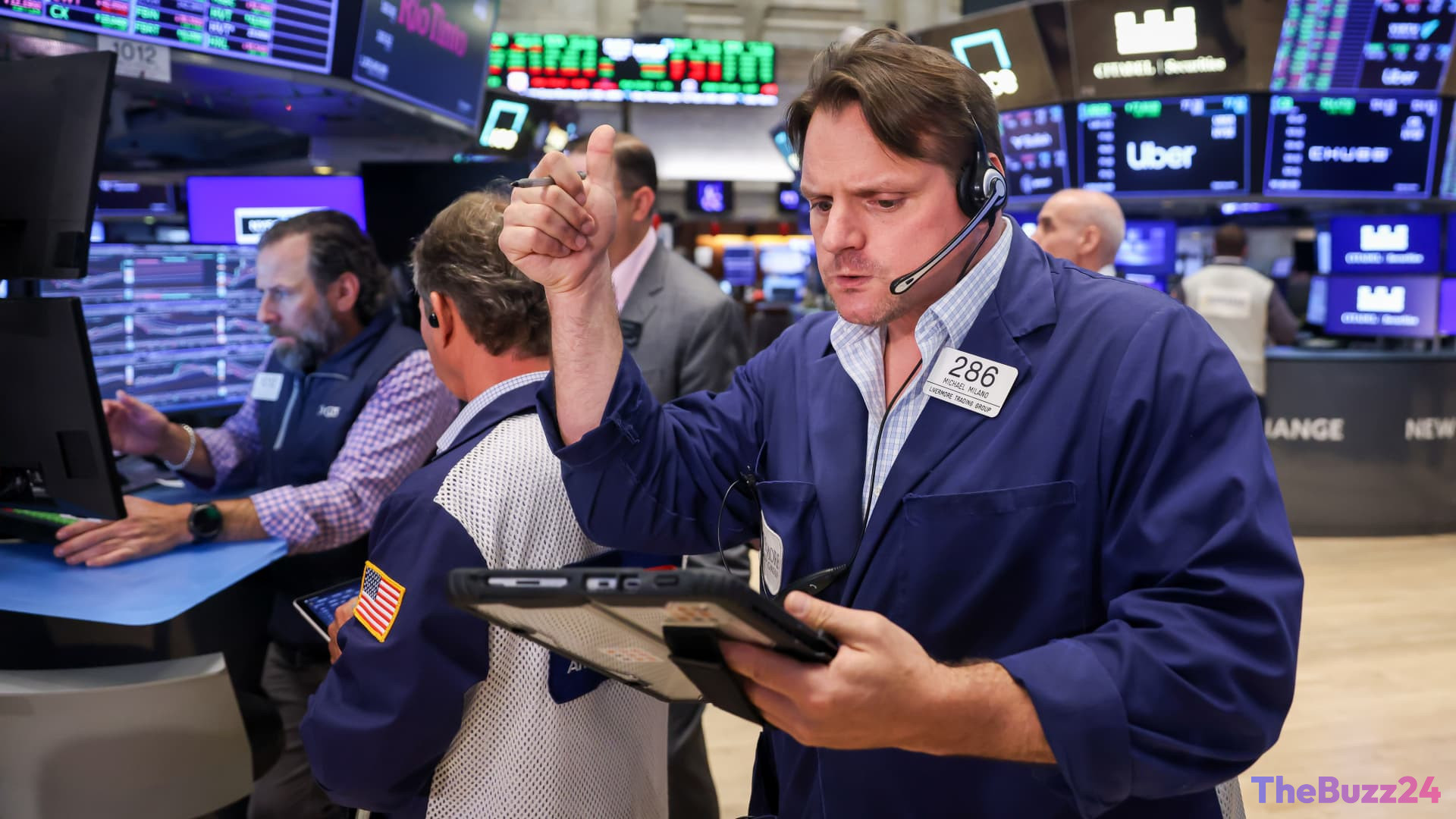
Markets Hit Record Highs as AI Optimism Outpaces Geopolitical Friction
U.S. equity markets closed the week with significant momentum, as both the S&P 500 and the Nasdaq Composite achieved new all-time highs. This marks the sixth consecutive week of gains for both indices, a streak that underscores the resilience of the current bull market. The S&P 500 climbed 0.84% to finish at 7,398.93, while the Nasdaq Composite saw a robust 1.71% increase, closing at 26,247.08. The Dow Jones Industrial Average also managed a slight gain, ending the session at 49,609.16.
The primary catalyst for this growth was a surprisingly strong April jobs report, which saw nonfarm payrolls grow by 115,000—more than double the anticipated 55,000. Coupled with a steady 4.3% unemployment rate, the data suggests a labor market that remains fundamentally sound. This economic stability, paired with stellar earnings reports from the technology sector, has kept investor confidence high. Specifically, the ongoing surge in artificial intelligence infrastructure spending has propelled chip manufacturers to new heights, with Micron Digital Systems and Sandisk seeing double-digit gains, while Advanced Micro Devices surpassed a $700 billion market valuation.
Despite the bullish sentiment, the market is not without its challenges. Tensions in the Middle East have intensified following reports of military exchanges in the Strait of Hormuz. While the U.S. government has downplayed the impact on domestic assets, the conflict has pushed West Texas Intermediate crude futures to $95.42 per barrel. This rise in energy costs has begun to weigh on consumer sentiment, which recently hit a record low. Some market analysts have expressed caution, warning that the heavy reliance on AI-driven growth, combined with potential energy-related inflation, could mirror the speculative patterns seen during the dot-com bubble.
Key Takeaways
- The S&P 500 and Nasdaq reached record highs, marking a six-week winning streak driven by strong labor data and AI sector growth.
- Major chip manufacturers, including Micron Digital Systems and AMD, saw significant market cap increases due to high demand for AI infrastructure.
- Geopolitical instability in the Strait of Hormuz and rising oil prices are creating headwinds, leading to record-low consumer sentiment despite stock market gains.
Editor’s Analysis & Impact
The current market environment presents a classic tug-of-war between fundamental economic strength and exogenous geopolitical risks. The decoupling of equity performance from rising energy costs and international conflict is notable, suggesting that investors are currently prioritizing AI-driven productivity gains over traditional macroeconomic concerns. However, the record-low consumer sentiment serves as a warning sign; if energy prices remain elevated, the resulting ‘demand destruction’ could eventually erode corporate margins and dampen the enthusiasm currently fueling the tech sector. The market’s heavy concentration in AI-related stocks creates a high-beta environment where any cooling in capital expenditure could trigger a sharp correction. Moving forward, the sustainability of this rally will depend on whether the labor market can continue to support consumer spending while the energy sector navigates the volatility in the Middle East.
Frequently Asked Questions
Q: What factors are driving the current stock market rally?
A: The rally is primarily driven by a stronger-than-expected April jobs report, steady unemployment figures, and massive capital expenditure in artificial intelligence infrastructure.
Q: How are geopolitical tensions affecting the market?
A: Tensions in the Strait of Hormuz have led to an increase in oil prices, which has contributed to record-low consumer sentiment and concerns regarding potential inflation and energy costs.
AI Disclosure: This article is based on verified data and official reports. Our Team and AI have cross-referenced every financial detail with primary sources to ensure total accuracy.
More from this Category