SpaceX Dragon Delivers Final Solar Arrays and Groundbreaking Research to International Space Station
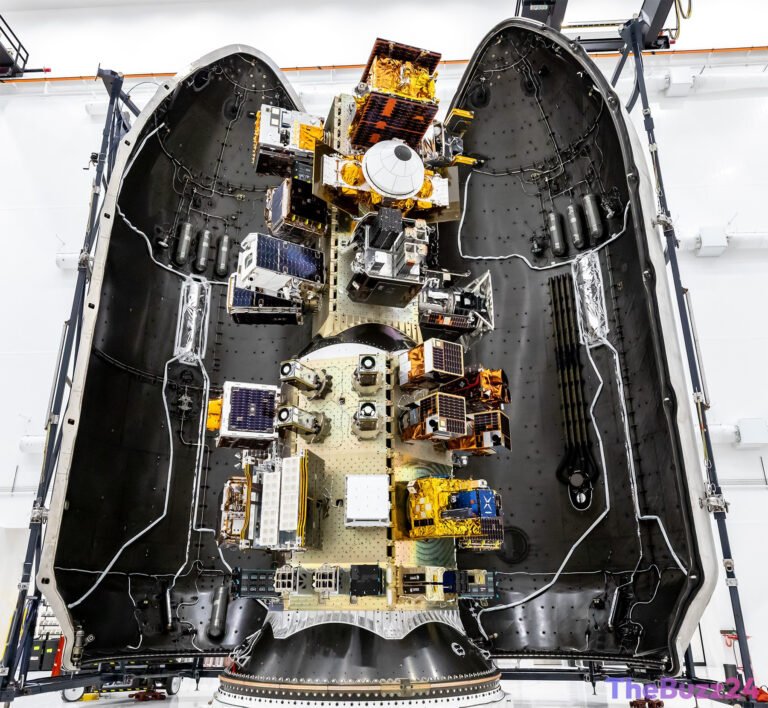
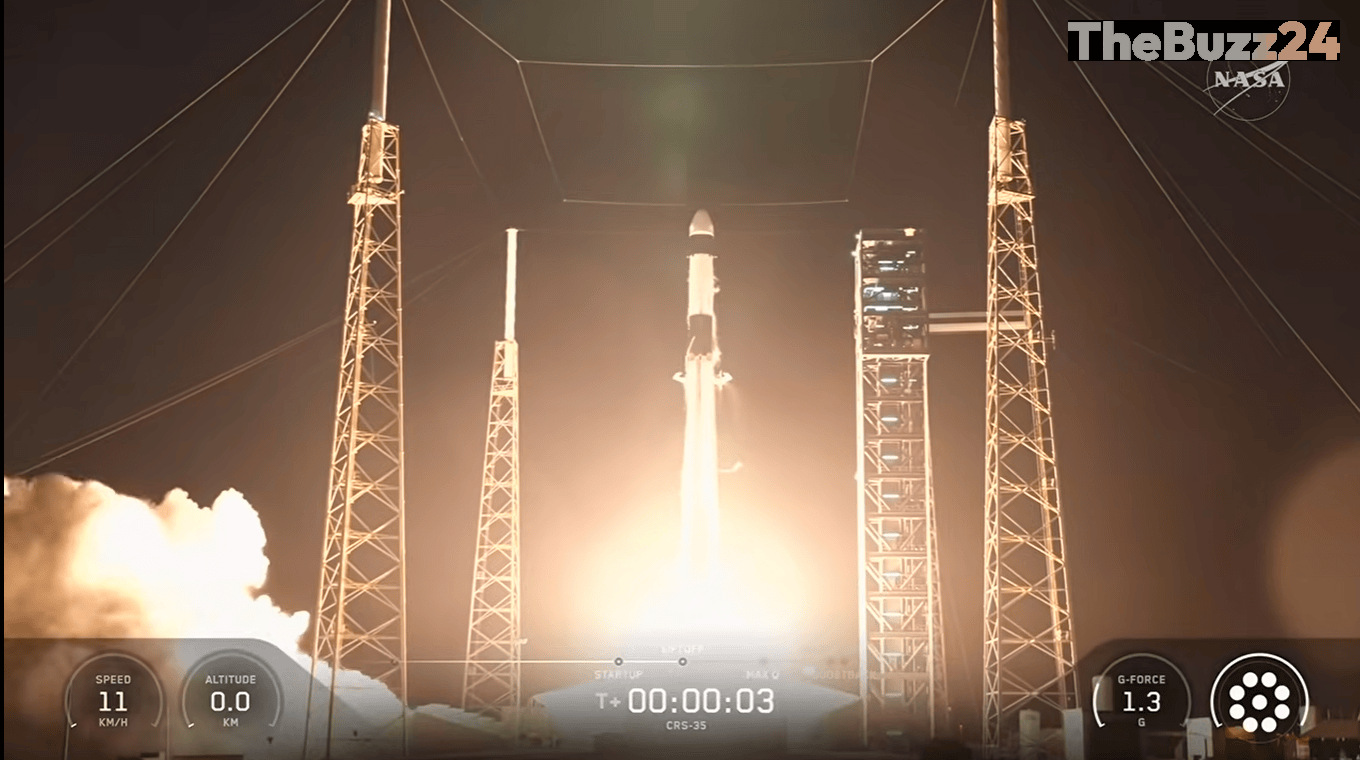
A SpaceX Falcon 9 rocket successfully launched its Dragon spacecraft on Tuesday, October 13, 2026, from Space Launch Complex 40 at Cape Canaveral Space Force Station in Florida. This mission marks the 35th commercial resupply service conducted by SpaceX for the International Space Station, carrying over 6,300 pounds of vital supplies and advanced hardware to the orbiting laboratory.
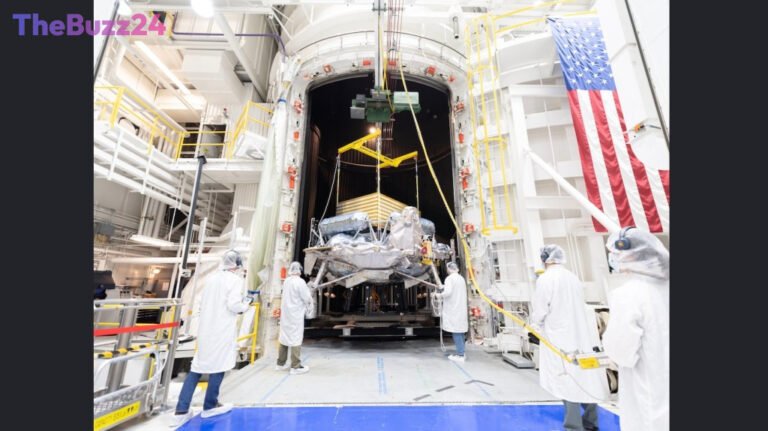
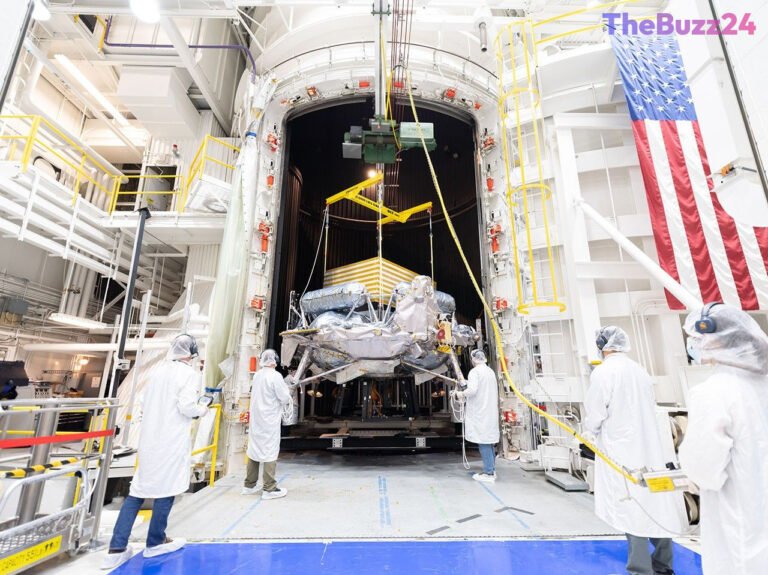
Among the critical cargo onboard are the final pair of International Space Station Roll-Out Solar Arrays (iROSA). These arrays are pivotal for completing the station’s power system augmentation, significantly boosting available electricity. This enhanced power capacity is essential for supporting ongoing research, maintaining station operations, and ensuring the station’s safe and controlled deorbit in the future. Astronauts are slated to install these arrays during a series of spacewalks later this fall.
The Dragon spacecraft is also transporting a suite of groundbreaking scientific experiments designed to push the boundaries of discovery both in space and on Earth. These include hardware for manufacturing artificial retinas in microgravity, which holds promise for restoring vision in patients. Additionally, 3D heart tissue models are being delivered to advance large-scale drug testing for future space missions, alongside materials to study novel glass formation in microgravity. Perhaps most notably, brain organoids are part of the payload, intended to uncover potential treatment targets for debilitating neurodegenerative diseases such as Alzheimer’s, Parkinson’s, and multiple sclerosis.
These investigations represent a fraction of the hundreds of studies conducted aboard the International Space Station across biology, biotechnology, physical sciences, and Earth and space science. The research and technological advancements fostered on the station not only yield direct benefits for humanity on Earth but also lay crucial groundwork for future deep space missions, including the Artemis program’s ambitious goal of sending astronauts to the Moon as a stepping stone for human exploration of Mars. The Dragon spacecraft is expected to remain docked at the station until mid-November, after which it will return to Earth with time-critical research and cargo, splashing down off the coast of California.
Key Takeaways
- SpaceX successfully launched its 35th commercial resupply mission to the International Space Station, delivering over 6,300 pounds of cargo.
- The mission includes the final pair of Roll-Out Solar Arrays (iROSA), which will complete the ISS power system, enhancing electricity for research and operations.
- Groundbreaking scientific experiments, such as artificial retina manufacturing and brain organoid research for neurodegenerative diseases, are onboard, promising significant benefits for both terrestrial medicine and future space exploration.
Editor’s Analysis & Impact
This latest SpaceX resupply mission underscores the increasing reliance on commercial partners for critical space logistics, further solidifying the maturity and efficiency of the private space sector. The delivery of the final solar arrays is a significant milestone, ensuring the International Space Station’s continued operational capacity for advanced research for years to come. The diverse range of scientific experiments, particularly those focused on medical breakthroughs like artificial retinas and neurodegenerative disease research, highlights the profound terrestrial impact of microgravity studies. This mission not only advances our understanding of space but also directly contributes to human health and prepares us for the ambitious goals of the Artemis program, paving the way for sustained human presence on the Moon and eventually Mars.
Frequently Asked Questions
Q: What is the primary purpose of this SpaceX resupply mission?
A: The primary purpose of this mission is to deliver over 6,300 pounds of supplies, hardware, and critical scientific experiments to the International Space Station as part of SpaceX's 35th commercial resupply service for NASA.
Q: What significant hardware is being delivered to the International Space Station?
A: The mission is delivering the final pair of International Space Station Roll-Out Solar Arrays (iROSA), which are crucial for completing the station's power system augmentation and boosting its available electricity for research and operations.
Q: How will the scientific experiments conducted on this mission benefit people on Earth?
A: The experiments include manufacturing artificial retinas in microgravity to potentially restore vision, developing 3D heart tissue models for drug testing, and studying brain organoids to find treatments for neurodegenerative diseases like Alzheimer's, Parkinson's, and multiple sclerosis, all of which have direct applications for human health on Earth.
AI Disclosure: This article is based on verified data and official reports. Our Team and AI have cross-referenced every financial detail with primary sources to ensure total accuracy.
More from this Category