SpaceX Prepares Trio of NASA-Backed CubeSats for Advanced Space Missions
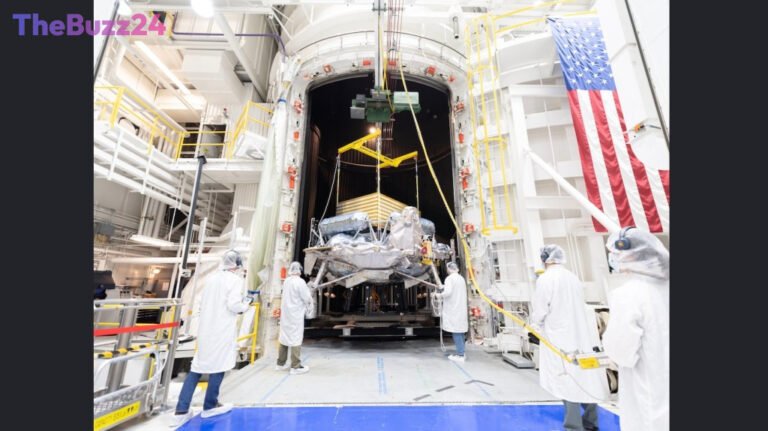
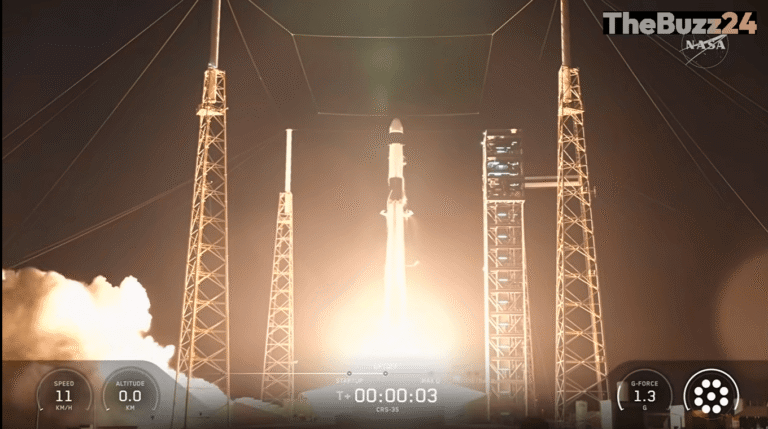
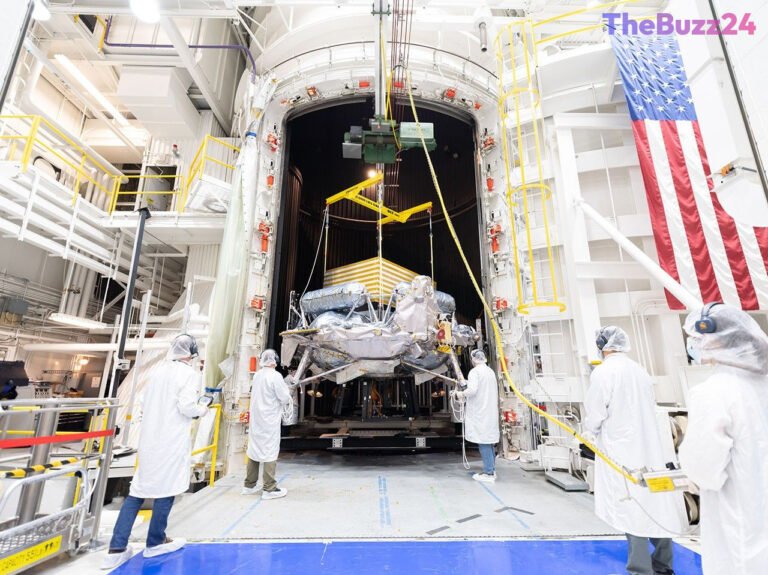
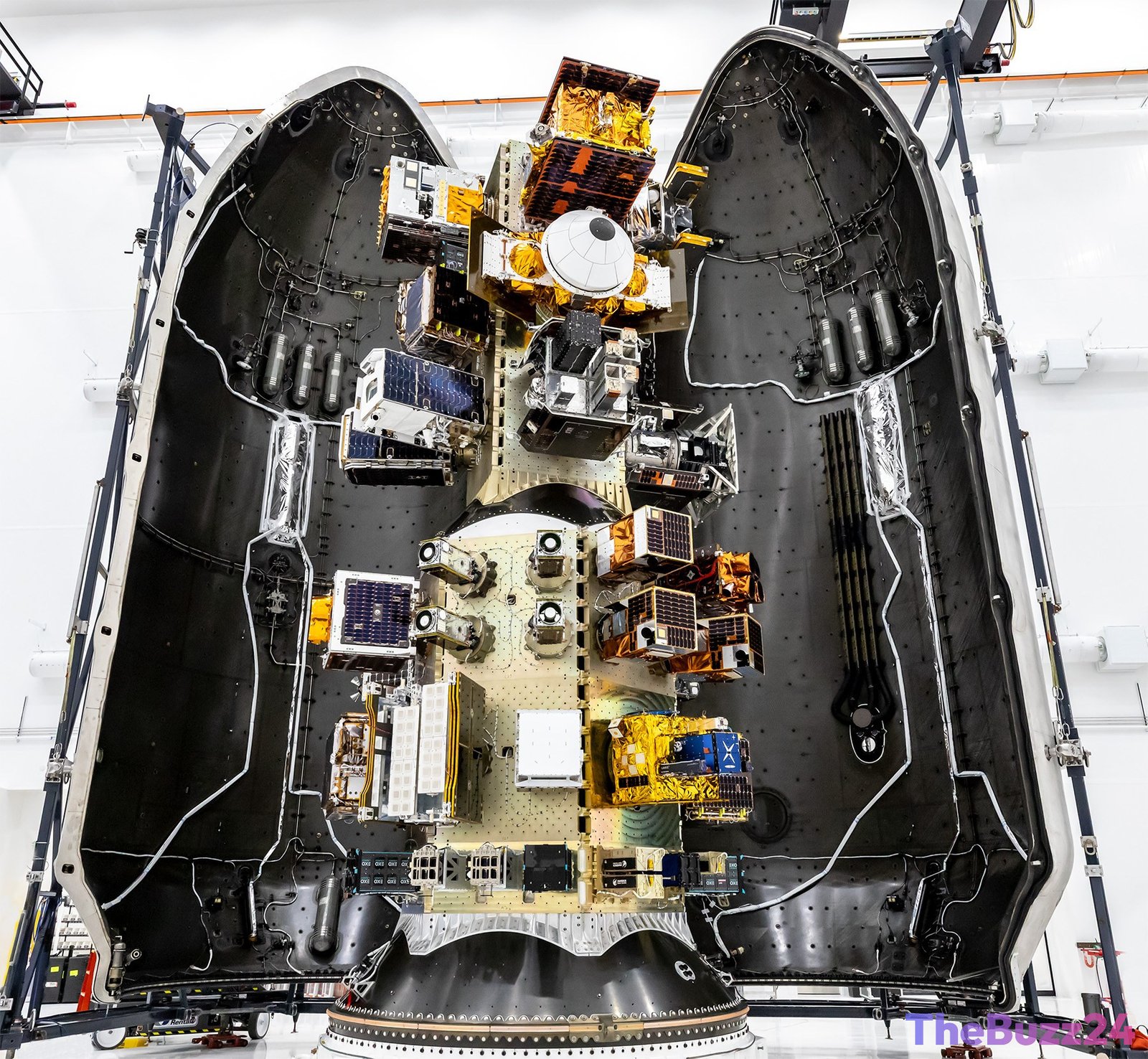
SpaceX is set to launch three NASA-supported CubeSats, alongside a host of commercial payloads, encapsulated within a Falcon 9 rocket. The launch, scheduled for October 1, 2026, will carry these advanced small spacecraft into orbit, each designed to push the boundaries of space exploration and technology.
The three NASA-backed missions include the ASCENT Propulsion Dual Mode CubeSat, the Supernova Remnants and Proxies for ReIonization Testbed Experiment (SPRITE) CubeSat, and the Small Spacecraft Propulsion and Inspection Capability (SSPICY) mission. These CubeSats represent a significant step forward in developing and testing novel propulsion systems for small satellites. Their deployment is expected to yield valuable data and insights into the capabilities of future spacecraft.
Beyond propulsion, the SPRITE CubeSat is tasked with studying the movement of galactic dust and high-energy radiation across galaxies, contributing to our understanding of cosmic phenomena. Meanwhile, the SSPICY mission aims to enhance the capabilities for inspecting inactive satellites, a crucial development for managing space debris and ensuring the long-term sustainability of orbital activities. The successful execution of these missions underscores the growing importance of small satellite technology in scientific research and space operations.
Key Takeaways
- SpaceX will launch three NASA-supported CubeSats on a Falcon 9 rocket on October 1, 2026.
- The missions will test new propulsion technologies, study galactic dust and radiation, and improve satellite inspection capabilities.
- These CubeSats highlight advancements in small satellite technology for research and space operations.
Editor’s Analysis & Impact
The upcoming SpaceX launch of these NASA-backed CubeSats signifies a continued trend towards leveraging small satellite technology for complex scientific and operational objectives. The focus on advanced propulsion and in-orbit inspection capabilities addresses critical needs in space exploration and sustainability. This mission’s success could pave the way for more cost-effective and versatile small satellite constellations, impacting everything from deep space research to orbital debris management. The collaboration between NASA and commercial entities like SpaceX demonstrates the evolving landscape of space endeavors, where innovation in miniaturized technology is driving significant progress.
Frequently Asked Questions
Q: What are CubeSats?
A: CubeSats are small, standardized satellites that are typically built in units of roughly 10x10x10 cm. They are often used for scientific research, technology demonstrations, and educational purposes due to their lower cost and ease of deployment compared to larger satellites.
Q: What is the significance of testing new propulsion technologies on CubeSats?
A: Developing advanced propulsion systems for CubeSats allows for greater maneuverability, longer mission durations, and the ability to reach more distant orbits. This is crucial for expanding the scientific reach and operational capabilities of small satellites.
Q: Why is inspecting inactive satellites important?
A: Inspecting inactive satellites is vital for space situational awareness and debris mitigation. It helps in understanding the condition of defunct satellites, which can prevent potential collisions and contribute to the long-term sustainability of the space environment.
AI Disclosure: This article is based on verified data and official reports. Our Team and AI have cross-referenced every financial detail with primary sources to ensure total accuracy.
More from this Category