Voyager Technologies’ Griffin-1 Lunar Lander Cleared for Moon Mission After Rigorous NASA JPL Testing
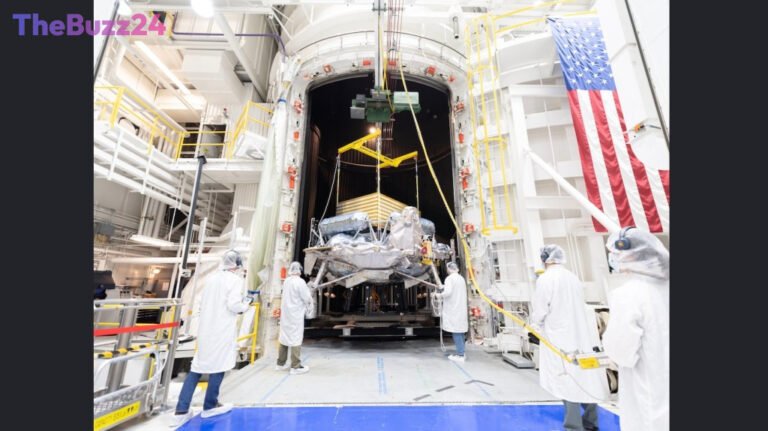
Voyager Technologies’ Griffin-1 lunar lander has successfully concluded a comprehensive three-month environmental testing phase at NASA’s Jet Propulsion Laboratory (JPL) in Southern California. The completion of these stringent trials in late September 2026 marks a critical milestone, demonstrating the spacecraft’s readiness to endure the extreme conditions of launch, its journey through space, and a challenging landing on the lunar surface.
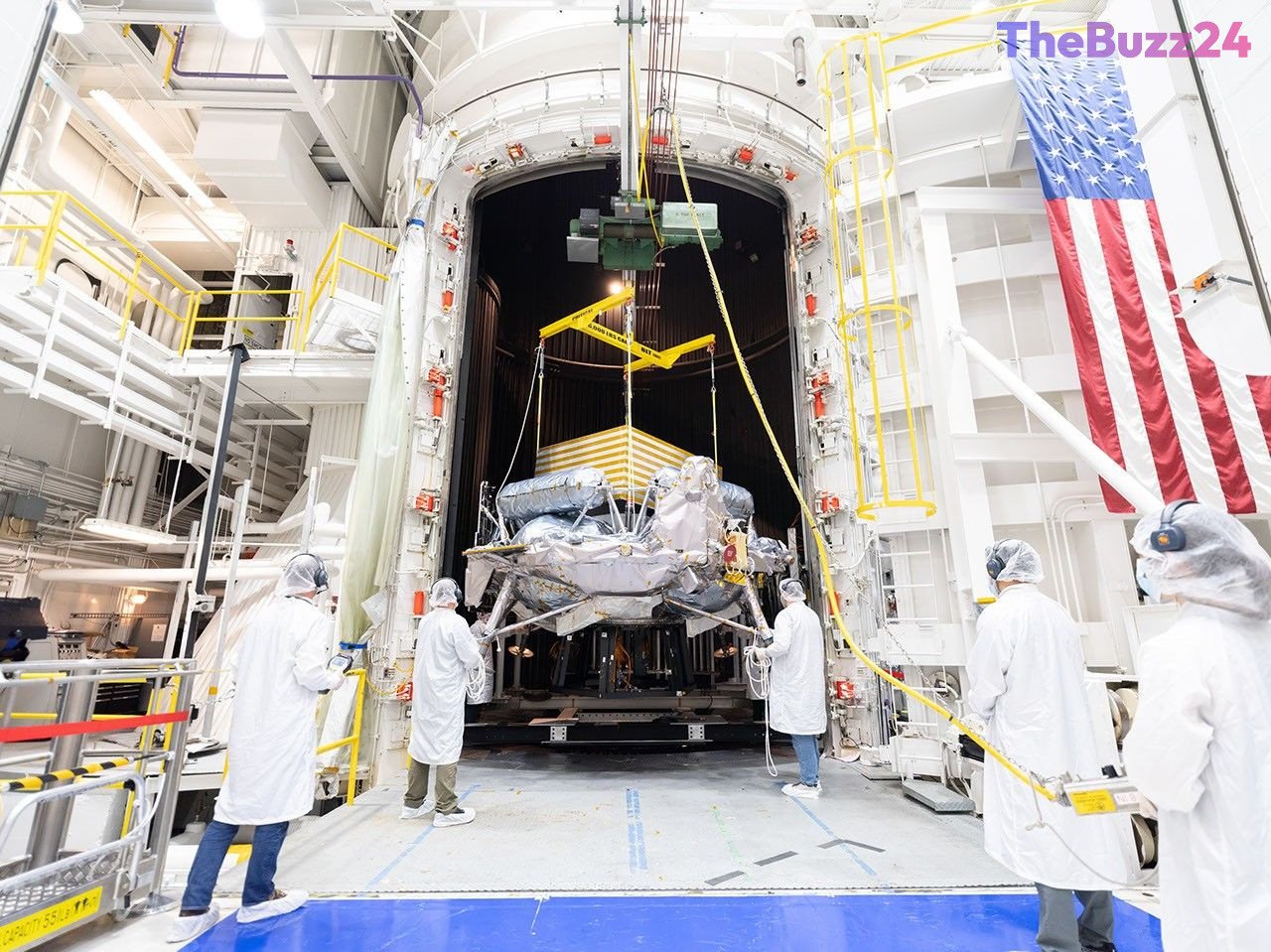
The extensive testing regimen included a final trial within JPL’s historic 25-Foot Space Simulator, a thermal vacuum chamber renowned for its role in supporting iconic missions like the Ranger, Surveyor, Mariner, and Voyager programs. During this phase, the Griffin-1 was subjected to temperatures ranging from a scorching 167 degrees Fahrenheit (75 degrees Celsius) to a frigid minus 148 F (minus 100 C), simulating the harsh thermal environment it will encounter in space. Engineers also conducted acoustic testing, blasting the lander with up to 153 decibels to mimic the immense roar of a rocket launch, and vibration testing, where a “shaker table” rattled the spacecraft to simulate the intense forces of ascent.
Beyond these extreme simulations, the lander underwent electromagnetic interference and compatibility testing in an anechoic chamber, ensuring its electronic systems would operate without internal disruption. Mass properties were also meticulously measured by rotating the spacecraft on a specialized table, allowing engineers to assess its movement in space and detect any unexpected wobbles crucial for flight and surface operations. A yellow-striped box atop the lander during testing simulated Astrolab’s FLIP (FLEX Lunar Innovation Platform) rover, one of the potential payloads.
Following its successful validation at JPL, the Griffin-1 has been transported back to Voyager Lunar Systems’ Pittsburgh facility for final assembly. As a key component of NASA’s Commercial Lunar Payload Services (CLPS) initiative within the broader Moon Base Program, the infrastructure-class lander is slated for a late 2026 launch aboard a SpaceX Falcon Heavy rocket. Its mission is to deliver over 1,100 pounds (455 kilograms) of cargo, comprising 10 payloads from six different countries, to the Nobile Crater near the Moon’s South Pole.
Key Takeaways
- Voyager Technologies' Griffin-1 lunar lander successfully completed rigorous environmental testing at NASA JPL, confirming its readiness for a lunar mission.
- The tests simulated extreme conditions including thermal vacuum, acoustic shock, and intense vibrations, crucial for surviving launch and space travel.
- Griffin-1 is part of NASA's CLPS initiative, set to launch in late 2026 on a SpaceX Falcon Heavy rocket to deliver international payloads to the Moon's South Pole.
Editor’s Analysis & Impact
The successful completion of environmental testing for Voyager Technologies’ Griffin-1 lander represents a significant step forward for commercial lunar exploration and NASA’s CLPS program. This achievement not only validates the lander’s engineering and resilience but also underscores the growing capability of private companies in supporting ambitious space missions. The ability to reliably transport diverse international payloads to the lunar South Pole, a region of high scientific interest due to potential water ice, could accelerate lunar research and resource utilization efforts. This development signals a robust future for the lunar economy, fostering competition and innovation among commercial space entities, and potentially paving the way for more frequent and cost-effective access to the Moon.
Frequently Asked Questions
Q: What is the purpose of the Griffin-1 lunar lander's mission?
A: The Griffin-1 lander is designed to deliver over 1,100 pounds (455 kilograms) of cargo, including 10 payloads from six different countries, to the Nobile Crater near the Moon's South Pole. It is part of NASA's Commercial Lunar Payload Services (CLPS) initiative, supporting scientific research and future lunar exploration.
Q: What kind of environmental tests did Griffin-1 undergo at NASA JPL?
A: The lander underwent extensive testing including thermal vacuum simulations (extreme heat and cold), acoustic testing (mimicking launch roar), vibration testing (simulating rocket ascent), electromagnetic compatibility testing, and mass properties measurements to ensure its resilience and operational integrity in space.
Q: When and how is Griffin-1 expected to launch?
A: Griffin-1 is expected to launch in late 2026. It will be carried into space aboard a SpaceX Falcon Heavy rocket, a powerful launch vehicle capable of delivering significant payloads to lunar trajectories.
AI Disclosure: This article is based on verified data and official reports. Our Team and AI have cross-referenced every financial detail with primary sources to ensure total accuracy.
More from this Category