SpaceX Makes History with Largest IPO Ever, Propelling Elon Musk Toward Trillionaire Status
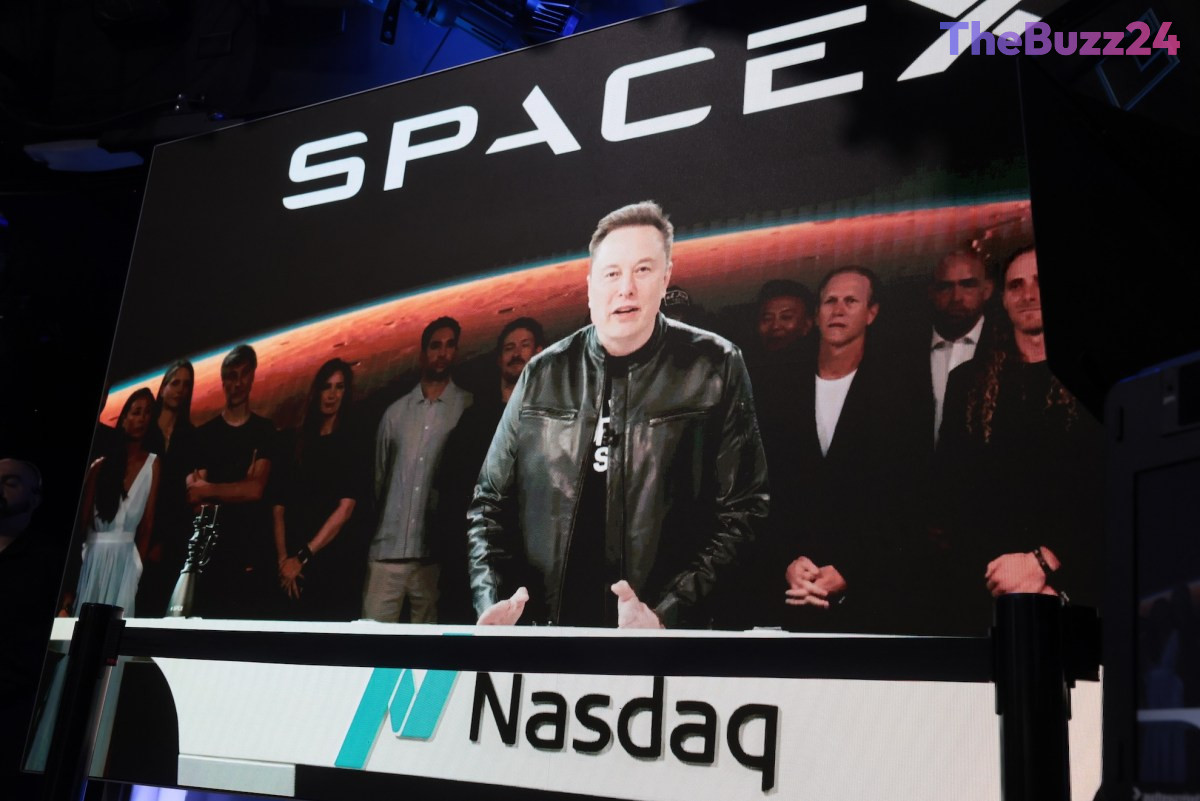
SpaceX has officially entered the public markets, marking a historic milestone in the aerospace and technology sectors. The company priced its 555.6 million shares at $135 each, successfully raising $75 billion. This debut stands as the largest initial public offering in history, signaling immense investor confidence in the company’s reusable rocket technology and its expansive Starlink satellite network.
Upon its debut on the Nasdaq, SpaceX shares opened at $150, representing an 11% increase. The momentum continued throughout the trading day, with shares soaring as high as 30% before closing at $160.95, a 19% gain. The high trading volume caused significant activity across retail platforms, reflecting the widespread public and institutional interest in the firm’s long-term vision.
Financial disclosures reveal a complex picture for the newly public entity. While SpaceX reported revenues exceeding $18 billion in 2025, it also recorded a loss of $4.9 billion for the same period, contributing to a cumulative loss of over $37 billion since its inception. Despite these figures, the IPO has significantly bolstered the net worth of founder Elon Musk, who retains over 50% of the voting power, effectively maintaining a firm grip on the company’s strategic direction.
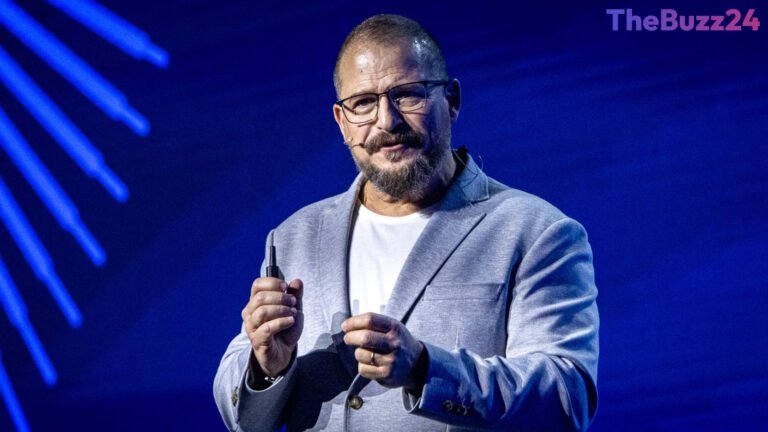
Beyond the immediate financial impact, the IPO has sparked discussions regarding the company’s future, including potential synergies with other Musk-led ventures. SpaceX COO Gwynne Shotwell recently noted that a merger between SpaceX and Tesla could theoretically simplify operational complexities, though no formal plans have been announced. As the company navigates its new life as a publicly traded entity, it faces the dual challenge of scaling its Starship program and managing investor expectations regarding future share dilution.
Key Takeaways
- SpaceX completed the largest IPO in history, raising $75 billion at a share price of $135.
- The stock saw strong performance on its first day, closing up 19% at $160.95 on the Nasdaq.
- Elon Musk maintains majority voting control, and the IPO has significantly increased his personal net worth.
Editor’s Analysis & Impact
The SpaceX IPO represents a watershed moment for the commercial space industry, effectively transitioning a capital-intensive, high-risk venture into the public equity markets. By securing $75 billion, SpaceX has provided itself with a massive runway to accelerate its Starship development and Starlink expansion. However, the company’s history of substantial losses and the inherent volatility of the aerospace sector will test the patience of public market investors. The concentration of voting power in Elon Musk’s hands suggests that the company will continue to operate with a ‘founder-first’ mentality, which may lead to unconventional strategic pivots—such as the hinted-at potential for integration with Tesla. Long-term, the success of this stock will likely hinge on whether SpaceX can transition from a government-contract-dependent model to a self-sustaining, high-margin commercial powerhouse.
Frequently Asked Questions
Q: How much did SpaceX raise in its IPO?
A: SpaceX raised $75 billion by pricing 555.6 million shares at $135 each.
Q: Does Elon Musk still control SpaceX after the IPO?
A: Yes, Elon Musk retains more than 50% of the voting power, ensuring he maintains significant control over the company's strategic decisions.
AI Disclosure: This article is based on verified data and official reports. Our Team and AI have cross-referenced every financial detail with primary sources to ensure total accuracy.
More from this Category